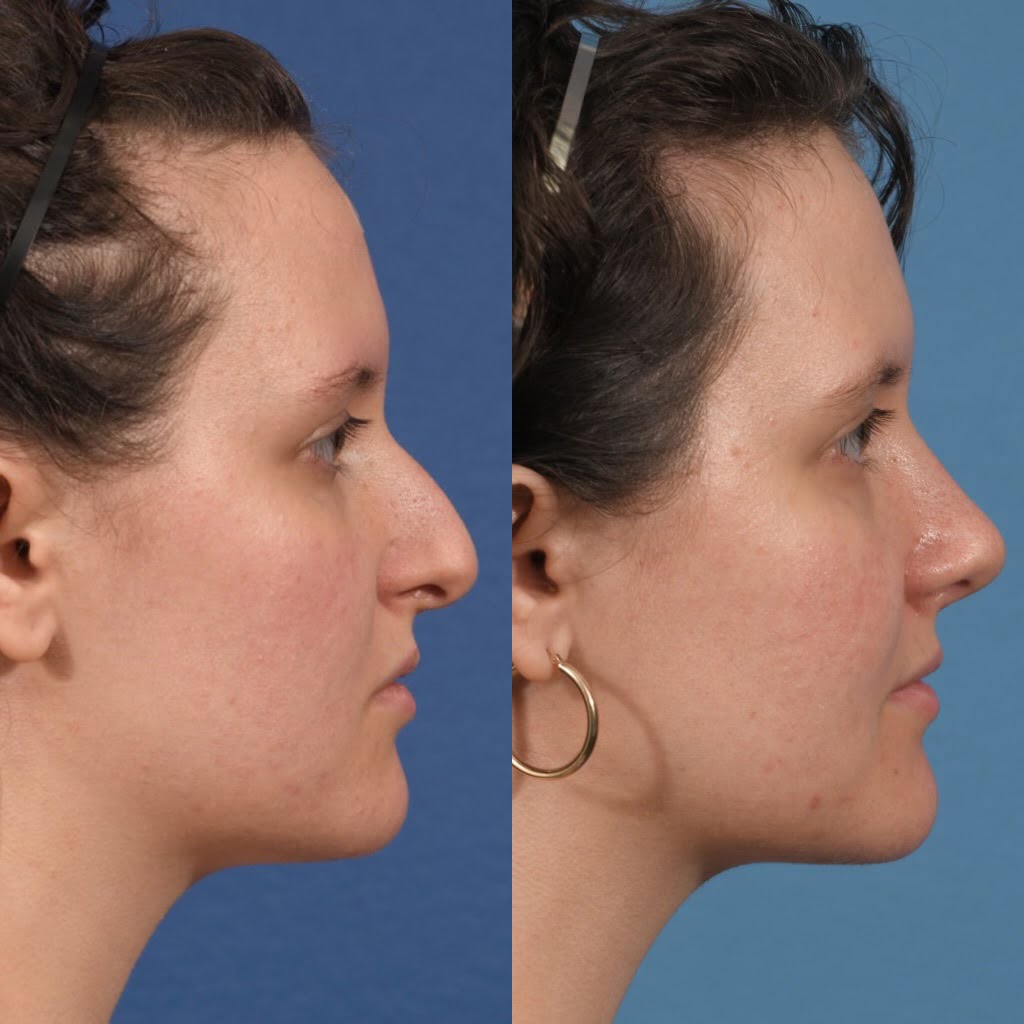
Septoplasty is a transformative surgical procedure that stands as a beacon of hope for individuals grappling with the turbulent storms of nasal obstruction. Imagine the nasal passages as a winding river, meant to flow freely. Yet, for many, this river is obstructed by the boulders of a deviated septum, leading to a myriad of challenges. This article navigates the currents of septoplasty—before and after the procedure—exploring the physical, emotional, and social ramifications of this pivotal intervention.
Understanding Septoplasty
At its core, septoplasty is the surgical realignment of the nasal septum—the wall dividing the two nasal cavities. Often mistaken for rhinoplasty, which primarily focuses on the aesthetic aspects of the nose, septoplasty seeks to correct functional impairments. A deviated septum can arise from congenital factors or trauma, making breath a laborious endeavor akin to swimming upstream.
Before Septoplasty: The Ailments
Prior to undergoing septoplasty, many find themselves submerged in a landscape of discomfort and dissatisfaction. Symptoms such as chronic nasal congestion, frequent sinus infections, headaches, and sleep disturbances plague those with a deviated septum. Some may liken their daily existence to navigating a dense fog, with breathing resembling a cumbersome task.
The decision to pursue septoplasty is often a culmination of these persistent woes. Individuals seeking relief may recall the countless sleepless nights spent tossing—gasping for breath, akin to a mariner lost at sea, yearning for a calm harbor.
Consultation and Preparation
Before embarking on the surgical journey, an initial consultation with an otolaryngologist is paramount. During this pivotal meeting, a thorough evaluation occurs—an anatomical assessment, discussion of symptoms, and a review of medical history illuminate the path toward surgery. The physician acts as a navigator, charting a course through the complexities of nasal anatomy.
Moreover, pre-operative preparation involves a variety of practical steps: avoiding certain medications, abstaining from smoking, and planning for post-operative care. This preparatory phase evokes a sense of anticipation, like a climber checking equipment before scaling a daunting peak.
The Day of the Procedure
The day of septoplasty unfolds like the dawn after a long night, filled with both trepidation and hope. Patients are often placed under general anesthesia, allowing them to drift into a peaceful slumber while the surgeon meticulously reshapes the nasal septum. The procedure typically takes about one to two hours but may vary based on individual circumstances.
In the operating room, the surgeon becomes an architect, wielding instruments that reshape the frameworks of the nasal passages. Small incisions allow access to the septum, where deviations are straightened, and excess bone or cartilage is resected. Like a sculptor chiseling marble, every movement is precise, aimed at creating a harmonious balance in the nasal structure.
Aftercare: The Initial Recovery Phase
Post-surgery, the patient awakens to the tender embrace of recovery, often characterized by some discomfort, swelling, and nasal congestion from packing placed inside the nostrils. It is crucial to approach this phase with patience and care. Initial recovery can feel akin to emerging from a chrysalis—confined yet ensconced in the promise of transformation.
During the first few days, common experiences include nasal bleeding, slight pain, and an altered sense of smell. It is a time of vigilance, requiring adherence to post-operative instructions—avoiding strenuous activities, managing pain with prescribed medications, and attending follow-up appointments.
Long-Term Benefits: A New Dawn
As the body heals, the long-term benefits of septoplasty begin to unfold like a flower blooming in the spring. Patients often experience improved airflow, reduced nasal congestion, and an overall enhancement in quality of life. It’s akin to stepping outside after a heavy rain, breathing in fresh air, and feeling invigorated.
Additionally, those who suffer from chronic sinus infections may find a profound decrease in episodes, as nasal passages become more conducive to drainage. Sleep quality may improve, leading to enhanced daily functioning and elevated mood, reflecting the transformative power of this procedure. This newfound clarity is often described as liberating—like shedding heavy layers of clothing on a sweltering day.
The Emotional Journey
Beyond the physical changes, septoplasty carries emotional reverberations. Many patients report heightened self-esteem, relief from social anxieties associated with breathing difficulties, and an overall sense of wellness. The change is not merely aesthetic; it signifies reclaiming one’s life, akin to finding a long-lost melody that resonates within.
Conclusion
In conclusion, septoplasty encompasses an intricate journey—a prelude of unease, a narrative of surgical finesse, and an epilogue of rejuvenation. It serves as a testament to the body’s incredible ability to heal and adapt. For those whose lives have been shadowed by the burdens of a deviated septum, this surgical intervention offers more than just relief; it presents an opportunity for liberation and renewal, transforming the familiar struggles of breath into a melodious symphony of wellness. Let the journey from ‘before’ to ‘after’ be one marked by the discovery of newfound vitality, promising horizons, and the exhilarating beauty of breathing freely once more.










Leave a Comment