In the labyrinthine world of business, the term “servicing a dealer” resonates with significant implications, especially in the automotive industry. This phrase embodies the intricate relationship between manufacturers and their dealers, acting as a dialogue that is foundational to operational synergy and customer satisfaction. To comprehend the true essence of servicing a dealer, one must first traverse the multifaceted intricacies surrounding this concept.
At its core, servicing a dealer signifies a partnership steeped in mutual benefits. But what does this entail? Picture a world where manufacturers not only supply vehicles but also provide indispensable support in various realms, from marketing to training to logistics. This collaborative interplay ensures that dealers possess the requisite tools and knowledge to effectively navigate the complex marketplace, ultimately enhancing the customer experience.
Understanding the term begins with an exploration of the myriad services encompassed within this relationship. Each interaction serves as a vital cog in the larger machinery of dealership operations, contributing to a seamless experience for the end consumer. Let’s delve into key facets of servicing a dealer.
1. Comprehensive Training Programs
Education is the cornerstone of any successful partnership. Servicing a dealer involves continual training sessions, both in-person and virtual, that cover product knowledge, selling techniques, and customer relationship management. These programs equip dealers with the confidence and capability to excel in a competitive marketplace. From understanding the latest model features to mastering financing options, thorough training empowers dealers to provide comprehensive service, which, in turn, enhances customer loyalty.
2. Marketing Support
In an era of information overflow, standing out is paramount. Manufacturers often bolster their dealers with a robust arsenal of marketing resources. This could range from co-branded advertising campaigns to providing high-quality promotional materials. Digital marketing has also catapulted into significance, wherein manufacturers assist dealers in navigating complex online landscapes, ensuring their presence is felt in the vast digital marketplace. This support not only elevates the dealer’s visibility but also reinforces brand integrity.
3. Technical Assistance
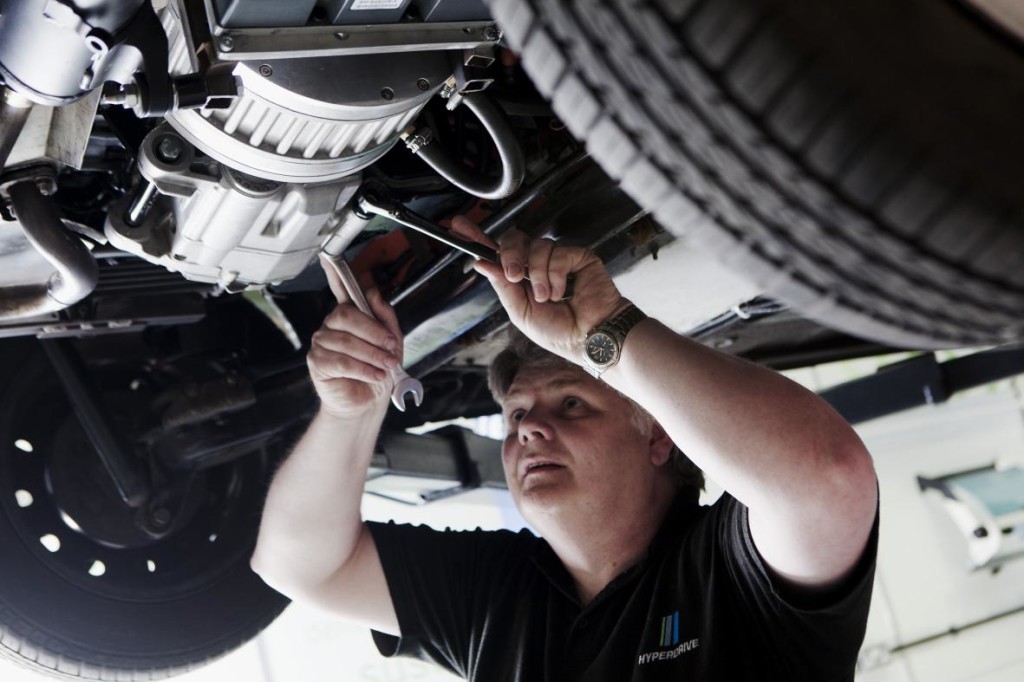
Dealerships often encounter myriad technical challenges, whether related to inventory systems, software updates, or vehicle diagnostics. Servicing a dealer encompasses offering technical support, which is critical for smooth operations. Providing access to subject matter experts ensures that dealers remain equipped to resolve issues promptly, minimizing downtime. This integral aspect fosters trust and reliability between the dealer and manufacturer, reinforcing a stable operational foundation.
4. Inventory Management
In the sell and supply chain continuum, inventory management is a pivotal focus. Servicing a dealer also entails providing sophisticated tools and systems to facilitate optimal inventory control. This includes advanced software solutions that allow dealers to efficiently track stock levels, turnover rates, and customer preferences. Such resources not only illuminate the path toward effective acquisition strategies but also empower dealers to anticipate customer needs proactively, leading to increased sales and customer satisfaction.
5. Data Analytics and Insights
The modern marketplace thrives on data, and servicing a dealer increasingly involves the provision of analytical insights. By dissecting purchasing trends, customer demographics, and market dynamics, manufacturers can guide dealers in making well-informed decisions. This evidence-driven approach transforms raw data into actionable strategies, enabling dealers to enhance their operational efficacy and drive revenue growth.
6. Financial Guidance
Financial health is crucial for any dealer’s sustainability. Servicing a dealer includes offering financial advice and solutions that can help them navigate the nuances of budgeting, pricing strategies, and financing options for customers. Tailored financial solutions can significantly impact a dealer’s viability, rendering them more adept at managing expenditures and maximizing profits.
7. Customer Relationship Management
At the heart of every successful dealership lies robust customer relationships. A manufacturer’s commitment to servicing a dealer often translates into the provision of customer relationship management (CRM) tools. These systems track interactions, manage leads, and analyze customer preferences, ensuring that the dealer can cultivate strong, enduring relationships with their clientele. Building such rapport not only fosters loyalty but transforms customers into brand advocates.
8. Ongoing Feedback Mechanisms
The relationship between a dealer and a manufacturer is inherently symbiotic, requiring feedback mechanisms to flourish. Servicing a dealer encompasses establishing channels for communication that facilitate constructive criticism and suggestions. Engaging in a perpetual dialogue cultivates an environment of growth, where both parties can adapt to changing market conditions and customer expectations.
In conclusion, “servicing a dealer” transcends the mere act of providing supplies; it is a holistic partnership pivotal to navigating the complexities of the automotive industry. By attending to various facets, from training and marketing to data analytics and customer relationship management, manufacturers empower dealers to not only meet but exceed customer expectations. Embracing this paradigm shift cultivates an atmosphere of collaboration, where both manufacturers and dealers can thrive in an ever-evolving marketplace. As the industry continues to metamorphose, fostering these partnerships will be instrumental in shaping the future of automotive retail—a future driven by innovation, trust, and, ultimately, success.








Leave a Comment