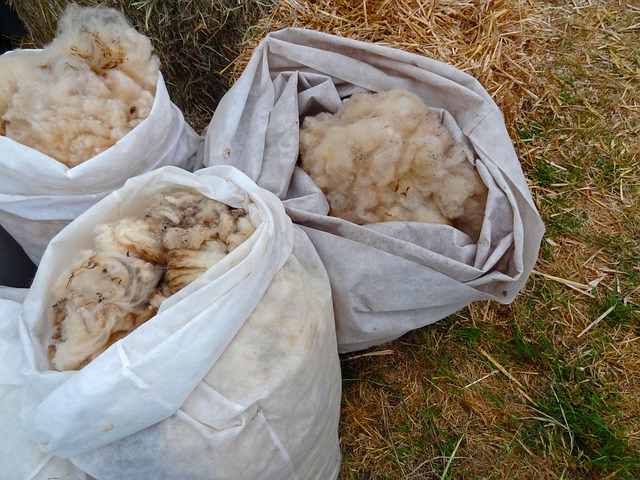
In the pastoral realms of agriculture, sheep play a vital role, serving multiple purposes from wool production to meat consumption. However, a phenomenon often overlooked is that of sheep with wet wool. The sight of these animals, their fleeces glistening with moisture, invites curiosity and consideration, shifting our perspective on traditional sheep husbandry. This exploration unveils a tapestry of knowledge about the implications, causes, and management of wet wool in sheep.
1. Understanding Wool: Nature’s Insulator
Wool is an extraordinary natural fiber, a biological marvel that provides thermal insulation and moisture regulation. Comprising a protein-based structure, wool fibers are inherently hydrophobic, allowing for moisture to be trapped without causing the sheep to become cold. When sheep are exposed to wet conditions—whether it be unexpected rain or in the throes of winter—this protective barrier can be compromised, leading us to ponder the implications of wet wool.
2. Causes of Wet Wool: Beyond Just Rain
A variety of factors contribute to the phenomenon of wet wool. The most evident cause is precipitation, where rain showers or prolonged dampness affect the fleece. Yet, beyond mere weather, consider the practices within sheep farming. For instance, improper sheltering during adverse climatic conditions can exacerbate wool saturation. In addition, environmental factors such as high humidity levels and unexpected dewy mornings also play crucial roles. Even the sheep’s own biology can contribute; ewes during lactation may carry excess moisture from their surroundings, which then clings to their wool as they lead their lambs.
3. Impact on Sheep Health and Welfare
The implications of wet wool extend far beyond mere aesthetics. Prolonged moisture trapped within the fleece can lead to a range of health issues. Hypothermia is one major concern, especially in colder climates where temperatures plummet overnight. The wetness of the wool, combined with chilling winds, can create a dangerous situation for the sheep. Furthermore, wet wool serves as an ideal breeding ground for parasites and fungi, leading to conditions like fleece rot—an ailment that can impair the wool’s quality and the sheep’s overall health.
4. The Economic Repercussions
From an economic perspective, wet wool carries significant ramifications for farmers. Wool that has been compromised by wetness may incur a depreciated market value. High moisture content can affect the spinning and processing of wool, leading to subpar products that may not meet the requisite standards for premium wool classifications. Farmers may face financial losses if the quality of their sheared wool diminishes, making effective management of wet wool a priority in sheep husbandry.
5. Strategies for Mitigation: Keeping Wool Dry
To combat the challenges presented by wet wool, proactive measures such as appropriate shelter provision are essential. Farmers can establish barns or sheds equipped with proper ventilation to protect their flocks from the elements. Additionally, the strategic use of pastures located in well-drained areas can minimize contact with saturated soils. It is equally important to monitor weather patterns; timely interventions during impending storms can protect sheep from exposure to excessive moisture.
6. Grooming and Maintenance
Regular grooming is paramount in maintaining the integrity of a sheep’s wool. This involves consistent inspections to remove debris and excess moisture during wet conditions. Combing and shearing should be performed strategically, particularly prior to seasonal changes when wet weather is more likely. Implementing proper sheep management techniques can not only preserve the quality of wool but also ensure the sheep’s welfare remains uncompromised.
7. The Philosophical Perspective: Beyond the Physical
Contemplating sheep with wet wool prompts reflections on broader themes within agriculture and animal husbandry. It presents an opportunity to re-examine our relationship with livestock, emphasizing the need for attentive stewardship. The sight of a drenched sheep can serve as a poignant reminder of the environmental challenges faced by farmers and the delicate balance required for sustainable practices. It is this shift in perspective that encourages a greater appreciation for the complexities inherent in agricultural life.
8. Conclusion: A Call to Observe and Adapt
In summary, the phenomenon of sheep with wet wool is more than a mere curiosity; it encapsulates a multitude of factors affecting animal health, wool quality, and agricultural economics. Addressing these challenges requires vigilance, innovation, and a reevaluation of traditional practices. Through understanding the implications of wet wool, farmers can not only enhance the welfare of their flocks but also contribute to a more sustainable future in the realm of sheep husbandry. The next time one encounters a sheep with wet wool, let it serve as a metaphor for the many layers of complexity woven into the fabric of farming life.








Leave a Comment