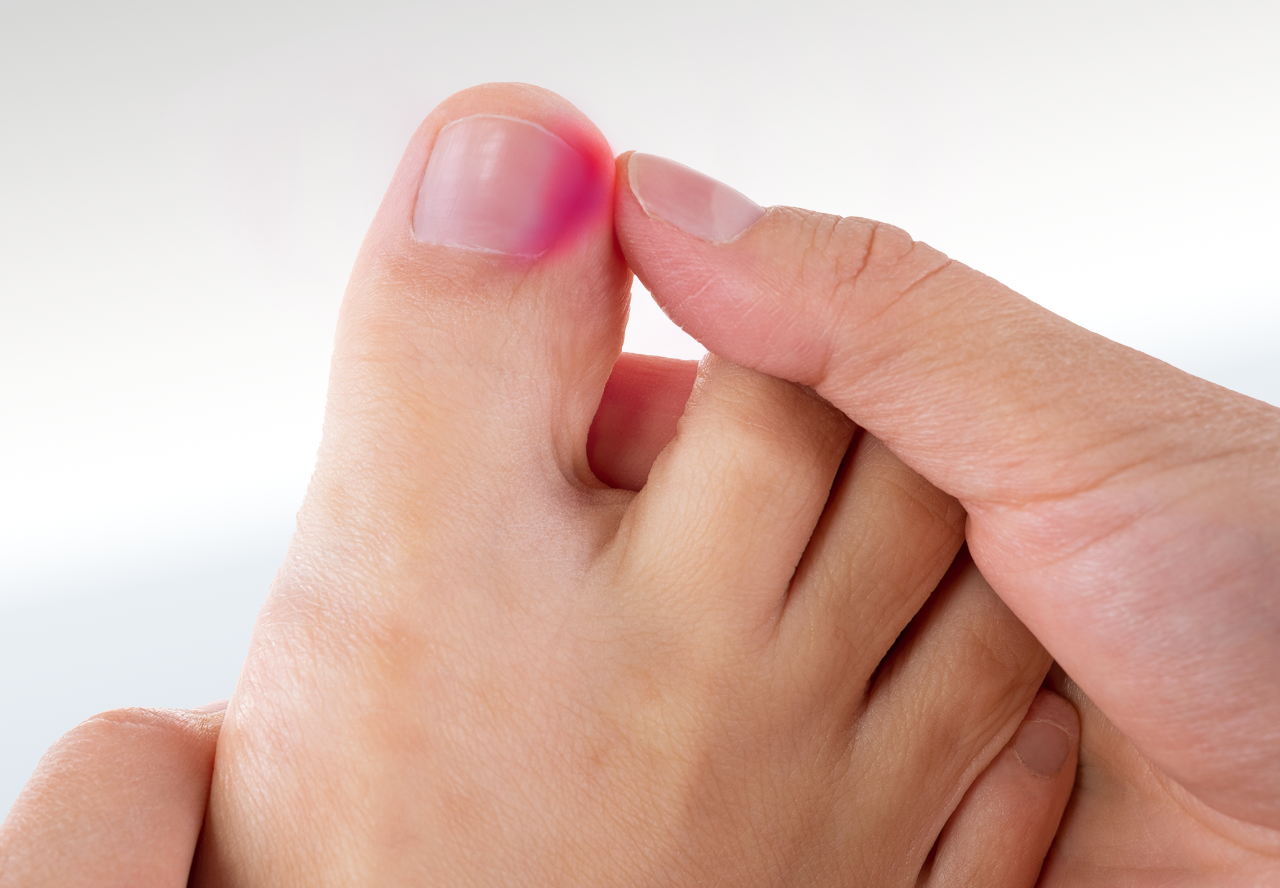
Experiencing discomfort on the side of your toenail can be a perplexing and frustrating ordeal. While ingrown toenails are a common culprit, there are numerous other potential reasons for this distressing pain. This article delves into various conditions and factors that may contribute to discomfort on the side of the toenail, providing a comprehensive guide to understanding potential causes, preventive measures, and treatment options.
1. Understanding the Anatomy of the Toenail
The toenail comprises several parts that work in harmony to provide protection to the delicate tissues beneath. The nail plate, cuticle, and nail bed are critical components. An intricate balance between these parts is essential; any disruption can lead to pain or discomfort. Understanding this anatomy can help in identifying the source of your pain.
2. Common Causes of Side Toenail Pain
Several conditions can result in pain on the side of the toenail, each varying in severity and treatment protocol. Here are some conditions to consider:
a. Toenail Trauma
Inadvertent trauma, such as stubbing your toe or dropping something heavy, can lead to bruising or nail bed injury. This incident may cause swelling and tenderness along the sides of the toenail. The pain from trauma could also lead to complications such as toenail splitting or lifting.
b. Fungal Infections
Fungal infections can infiltrate the toenail, causing it to become thickened, discolored, and painful. This condition, known as onychomycosis, often affects the sides of the toenail and may lead to secondary irritation and inflammation. Symptoms may include a foul odor or debris accumulation under the nail.
c. Paronychia
Paronychia is an infection surrounding the nail, typically caused by bacteria or fungi entering through broken skin. This condition can lead to swelling, redness, and considerable pain. The sides of the toenail are particularly susceptible, especially if there has been any damage to the cuticle area.
d. Nail Psoriasis
This chronic skin condition can affect the nails, leading to pitting, discoloration, and sometimes pain. Side toenail pain caused by psoriasis comes from the inflammation associated with the condition. Understanding this autoimmune response can help in managing symptoms appropriately.
e. Corns and Calluses
Friction and pressure can lead to the formation of corns or calluses on the toes. These hardened areas of skin can develop along the sides of the toenail, leading to discomfort and pain. Proper footwear and foot hygiene are essential for prevention.
3. Identifying Additional Symptoms
When investigating the causes of side toenail pain, it is crucial to take note of additional symptoms that may accompany the primary pain:
a. Redness and Swelling
Inflammation around the toenail often indicates infection or irritation. Monitoring the degree of swelling can assist in determining whether the condition is worsening or improving.
b. Discoloration
Changes in color, whether it be yellowing from a fungal infection or redness from inflammation, can provide key insights into the underlying issue. Documenting these changes can help guide treatment options.
c. Fluid Accumulation
Presence of pus or clear fluid can indicate an infection. This symptom can be distressing and may require immediate medical attention to prevent further complications.
4. When to Seek Professional Help
While minor discomfort may not necessitate a visit to the doctor, certain situations warrant professional evaluation:
a. Severe Pain
If the pain escalates to the point where daily activities are hindered, it is time to consult a healthcare professional.
b. Signs of Infection
Fever, increasing redness, or a foul odor from the toenail should not be overlooked. These can indicate a serious infection requiring medical intervention.
c. Persistent Symptoms
If symptoms linger despite at-home treatments, seeking a diagnosis is advisable. Chronic issues may require specific medical remedies.
5. Treatment Options
Depending on the identified cause, various treatment modalities can be employed:
a. Home Remedies
Soaking feet in warm, soapy water followed by gentle exfoliation of calluses may alleviate discomfort. Additionally, applying antifungal or antibacterial ointments can promote healing.
b. Prescription Medication
If a fungal infection or severe bacterial infection is diagnosed, topical or oral medications may be prescribed to eradicate the infection.
c. Professional Care
In cases of significant nail damage or advanced infections, more invasive treatments, including drainage or surgical intervention, may become necessary.
6. Preventive Measures
Taking proactive steps can mitigate the risk of developing painful toenail conditions:
a. Appropriate Footwear
Selecting shoes that fit properly and provide adequate support can reduce friction and pressure on the toenails.
b. Regular Foot Care
Maintaining nail hygiene and keeping nails trimmed can help prevent injuries and infections. Regularly moisturizing the feet will also help maintain skin integrity.
c. Avoiding Ill-fitting Socks
Wearing socks that fit well prevents unnecessary pressure and friction on the toenails.
In conclusion, pain on the side of the toenail may not necessarily indicate an ingrown toenail, as a multitude of factors can contribute. From infections to trauma, understanding the diverse potential causes can aid in appropriate management. If symptoms persist or worsen, seeking professional guidance is essential in preserving foot health and functionality. Taking preventive measures can further enhance your ability to enjoy pain-free feet.










Leave a Comment