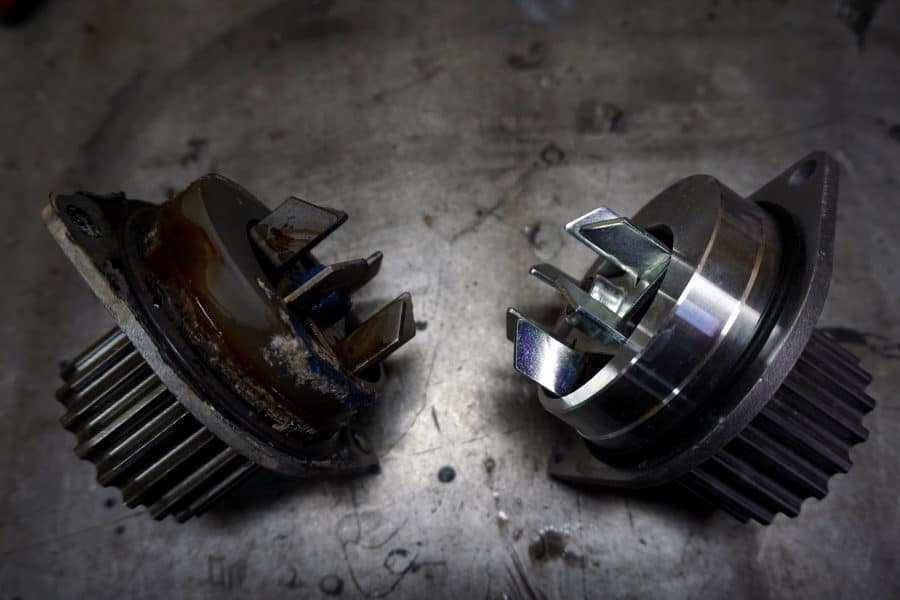
Water pumps play a pivotal role in numerous applications, from agricultural irrigation to household water supply systems. They are designed to deliver water efficiently, contributing to the seamless operation of various industrial and domestic processes. However, like any mechanical system, water pumps can experience wear and tear or even catastrophic failure over time. Recognizing the signs of a failing water pump early can save not only your investment but also prevent extensive water-related damage. In this article, we will delve deeply into the myriad signs that your water pump may be malfunctioning, offering you a comprehensive understanding of what to look for.
1. Unusual Noises
One of the earliest indicators of a problematic water pump is the emergence of strange noises. If you start hearing grinding, whining, or any rhythmic thumping sound emanating from your water pump, it’s essential to investigate further. These sounds often suggest that there is a misalignment, bearing wear, or even cavitation within the pump. A neglected pump may escalate these noises, leading to total failure if left unaddressed.
2. Decreased Water Pressure
A sudden dip in water pressure is a classic sign that your water pump may be struggling. Whether you are noticing inconsistent water flow from faucets or lower irrigation distribution in fields, reduced pressure can indicate a variety of issues—from damaged impellers to clogged pipes. This decrease in pressure not only affects daily activities but can also impede the overall functionality of irrigation systems, ultimately affecting crop yields.
3. Leaks or Moisture Accumulation
The presence of water around your pump is an unmistakable red flag. Leaks can originate from various parts of the pump, including seals, gaskets, and fittings. If you observe moisture accumulation or continuous dripping, it is crucial to scrutinize the pump closely. Persistent leaks can lead to corrosion and further mechanical failure, compounding the original issue.
4. Vibrations and Movement
As a water pump operates, it should remain stationary and perform efficiently. However, if you begin to notice excessive vibrations causing the pump to shift from its designated spot, something is likely amiss. These vibrations can stem from mechanical imbalance or wear within the pump. Over time, excessive movement can cause structural damage to both the pump and the surrounding area, potentially leading to more significant repairs.
5. Overheating
Another critical sign of a malfunctioning water pump is excessive heat generation. If your pump’s casing feels unusually hot or if it trips thermal overload protection regularly, this could indicate an obstruction in the pump’s flow, insufficient lubrication, or other mechanical issues. Overheating can lead to the degradation of internal components, necessitating immediate attention.
6. Unpleasant Odors
While it may seem odd, foul smells emanating from a water pump can indicate various issues, such as electrical problems or stagnant water. The presence of odors could signal that there’s a buildup of organic material or even mold within the pump or attached piping. In such cases, immediate cleaning and sanitation measures should be taken to ensure the longevity and safe operation of the water system.
7. Frequent Tripping of Safety Devices
Most modern water pumps include built-in safety features designed to prevent damage due to overheating or excessive pressure. If you notice that these safety devices are activating more frequently, it may signify underlying problems within the pump. Constant interruption of service can lead to increased energy costs and disruptions in water supply, necessitating a thorough evaluation of the pump’s condition.
8. Unusual Cycling Behaviors
If your water pump is cycling on and off more frequently than usual, it may indicate a problem with either the pressure switch or the pump itself. Ideal operation involves a consistent cycling pattern in response to water demand. Erratic cycling can suggest a fault in the control system or a developing blockage in the system, which may lead to failures if not investigated promptly.
9. Irregular Water Quality
A decline in water quality can be another tell-tale sign that your pump is on the verge of malfunction. Changes in water clarity, color, or taste often point to contamination or sediment buildup in the water system. A water pump that is not functioning optimally may fail to filter out impurities, jeopardizing both the safety and palatability of your water supply.
10. Age and Wear
Lastly, one cannot overlook the age of the water pump. If your unit has been in continuous operation for over a decade, it is prudent to evaluate its overall condition and performance. Even if it seems to be functioning normally, wear and tear could be gradually leading it toward failure. Regular maintenance and timely replacement of older units can prevent unexpected breakdowns and ensure reliable service.
In conclusion, being proactive in identifying the signs of a failing water pump can safeguard your home or agricultural investment. By regularly monitoring for unusual noises, changes in pressure, leaks, and other red flags, you can address potential problems before they escalate into costly repairs. Don’t underestimate the importance of routine maintenance and inspections, which can preserve the longevity and efficiency of your water pump system. By remaining vigilant and informed, you can ensure that your water delivery systems remain in prime condition, serving you effectively for years to come.







Leave a Comment