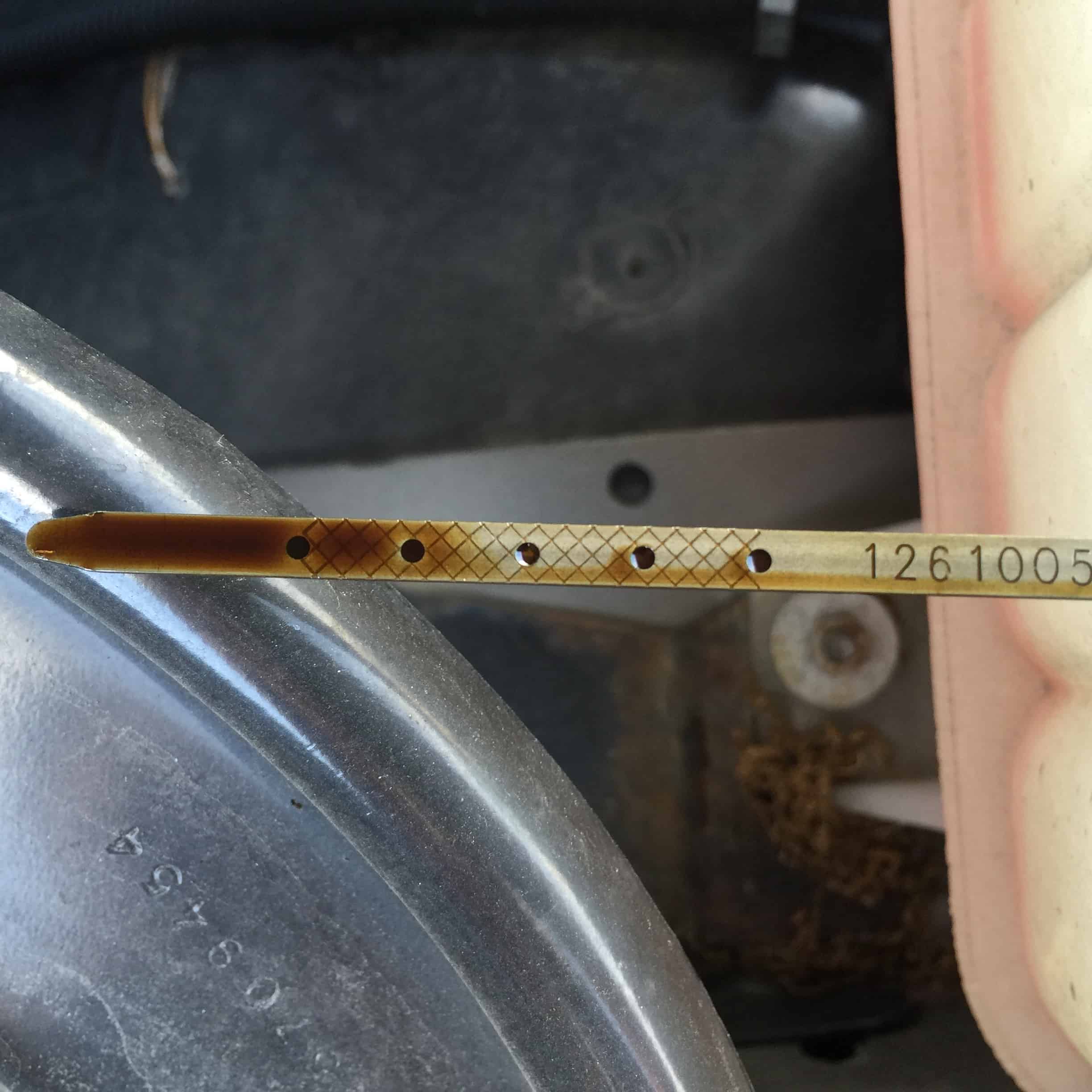
Transmission fluid, often likened to the lifeblood of a vehicle, plays a pivotal role in ensuring the smooth operation of your car’s transmission system. Just as blood circulates through the body to keep it functioning, transmission fluid lubricates, cools, and enables the seamless shifting of gears in an automobile. However, like any vital fluid, its levels can dwindle, leading to a cacophony of potential issues. Understanding the signs of low transmission fluid is essential for every vehicle owner, akin to deciphering the whispers of an old tree warning you of an impending storm. Below are the telltale indicators that your vehicle may be running low on this crucial fluid.
1. Difficulty in Shifting Gears
One of the most apparent signs of low transmission fluid is difficulty in shifting gears. When the transmission fluid is at a commendable level, it facilitates smooth transitions between gears. However, when levels dip, you might find yourself wrestling with your gear shift, much like an artist struggling to move their brush across a canvas. Delayed shifting, erratic gear changes, or even a complete failure to engage gears can point to a fluid shortage that needs immediate attention.
2. Slipping Gears
While driving, if your car seems to unexpectedly change gears or slip out of gear entirely, consider it a red flag. This phenomenon feels reminiscent of a dancer losing their rhythm mid-performance, causing confusion and potential hazards. Low transmission fluid can cause inadequate hydraulic pressure, leading to problematic gear engagement. Listening to your vehicle in these moments is crucial; glancing at the transmission fluid level is wise.
3. Warning Lights on the Dashboard
In modern vehicles, the dashboard serves as a sentinel, alerting drivers to various malfunctions. When the transmission fluid runs low, the check engine light or the transmission warning light may illuminate. These digital beacons are akin to a lighthouse guiding sailors through treacherous waters, signaling that all is not well. Ignoring these warning lights can lead to catastrophic failures, so addressing them promptly is imperative.
4. Unusual Noises
Every car has its unique symphony of sounds, but when you start hearing clunky or grinding noises, it’s time to take notice. Low transmission fluid can create friction between gears and components, generating unwelcome sounds reminiscent of a creaky door announcing unwelcome guests. Pay attention to any unusual mechanical symphony; those sounds are your vehicle singing a cautionary tune.
5. Fluid Leaks
If you notice puddling underneath your car, your vehicle could be leaking transmission fluid. This red or brown liquid, often resembling the life-nurturing sap of a tree, serves as a grave warning that your transmission is crying out for help. Leaks can stem from worn-out seals, gaskets, or even damaged components. The sight of these fluid stains demands immediate attention, as neglecting a leak can escalate into severe complications.
6. Burning Smell
A burning odor wafting from your car is akin to smoke signaling a fire. Low transmission fluid levels can lead to overheating, causing a burned smell resembling hot metal. If you detect this unpleasant odor, it’s crucial to investigate further. This scent is more than just an inconvenience; it signifies potential damage to the transmission itself, a formidable foe that could lead to costly repairs if not addressed swiftly.
7. Changes in Acceleration
When low on transmission fluid, you might experience a sluggish acceleration. If you press down on the gas pedal and your vehicle seems to hesitate or struggle to gain speed, the transmission may not be receiving the lubrication it needs. This condition is akin to a runner bogged down by heavy equipment, unable to perform at their best. Recognizing this symptom early is key to preventing additional harm.
8. Harsh or Jerky Movements
When transitioning between gears, if your vehicle feels jerky or harsh, it’s a sign that the fluid isn’t adequately doing its job. The transition should be seamless, akin to a gentle breeze swaying tall grass. Low fluid may contribute to an uneven experience, potentially leading to more significant damage if left unchecked.
9. Heat Generation in the Transmission
Transmission systems rely on fluid not merely for lubrication, but for cooling as well. Low levels can lead to overheating, where you might feel heat radiating from the transmission, much like a furnace left unchecked. Watch for this sign, as prolonged overheating can cause catastrophic internal damage to the transmission, reinforcing the need for awareness.
Conclusion
Understanding the signs of low transmission fluid is indispensable for preserving the integrity and performance of your vehicle. Each symptom, from the dance of the gears to the whispers of your dashboard, provides vital clues to potential problems brewing beneath the surface. Remain vigilant and attentive, for the health of your vehicle mirrors the care you bestow upon it. Just as you tend to your own well-being, so too should you nurture your vehicle’s needs. By recognizing these signs early, you can avoid the tumultuous journey toward costly repairs and ensure that your automotive companion continues to run smoothly, much like a well-oiled machine on a sunlit day.









Leave a Comment