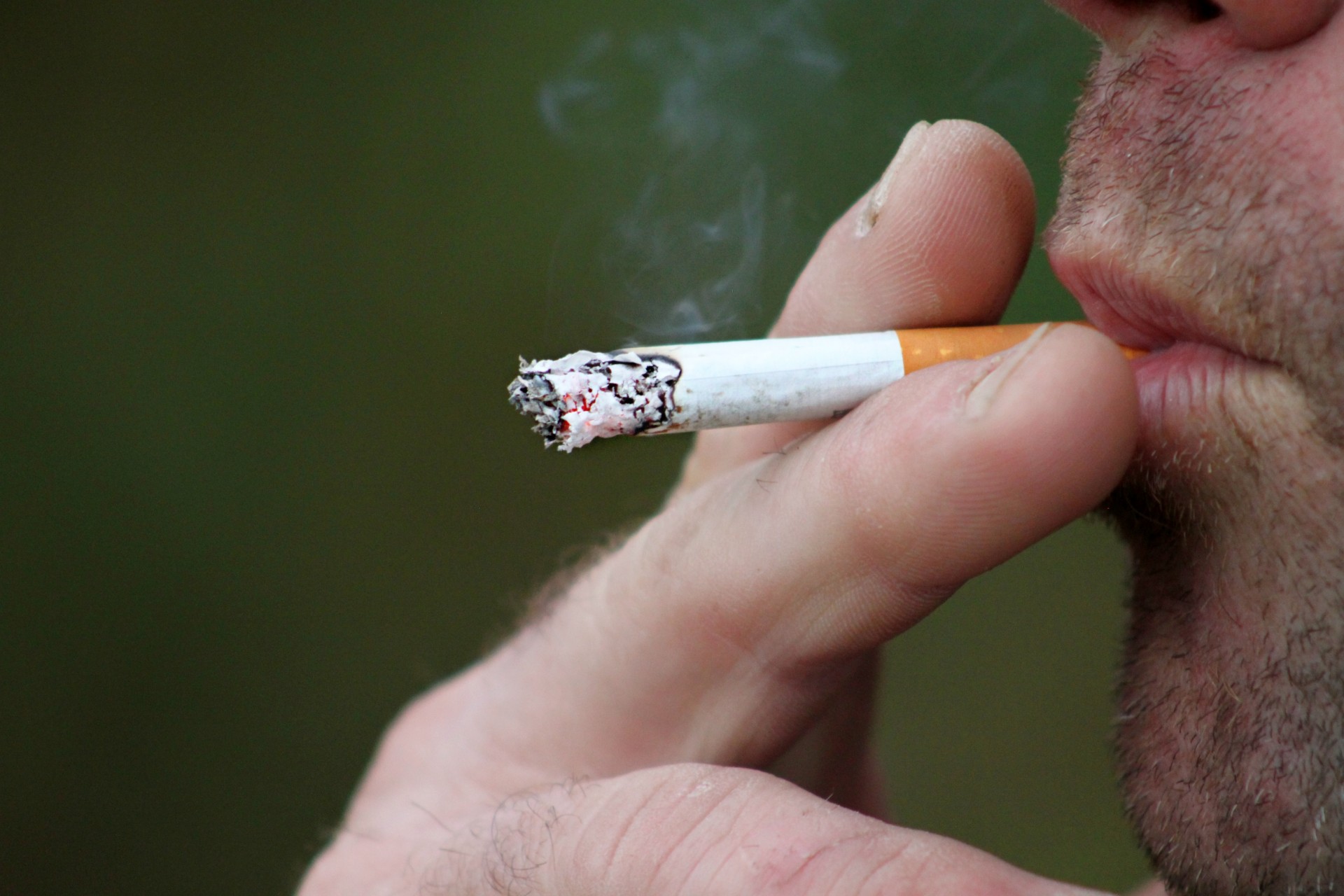
Have you ever felt a moment of hesitation after seeing someone light up a cigarette shortly after a dental procedure? Perhaps you’ve even wondered, “Can smoking really cause a dry socket?” This common question highlights a prevalent myth that can pose a challenge to those seeking the truth about post-operative care. In this informative exploration, we will delve into the intricacies of this myth, discerning fact from fiction while shedding light on the real implications of smoking for oral health.
Understanding Dry Socket
To fully grasp the essence of this myth, it’s essential first to comprehend what a dry socket is. Formally known as alveolar osteitis, a dry socket occurs when the blood clot that forms in the socket after a tooth extraction dislodges or dissolves before the healing process can take place. This exposes the underlying bone and nerves, leading to intense pain and an increased risk of infection. Classic signs include throbbing pain radiating from the extraction site, a foul mouth odor, and an unpleasant taste. This condition typically arises between two to four days after the extraction.
The Smoking Connection
Many believe that smoking significantly contributes to the development of dry socket, and for good reason. The act of smoking introduces harmful chemicals and toxins into the oral environment, which can impede healing. Furthermore, the suction created while inhaling smoke can potentially dislodge the fragile blood clot, increasing the risk of developing a dry socket. However, it is vital to discern that while these factors can aggravate the situation, smoking is not the sole culprit behind this painful condition.
Debunking the Myth
At this juncture, it’s crucial to address the myth head-on. Smoking does not guarantee that one will develop a dry socket. While research indicates a correlation between smoking and an increased risk, it is merely one of many contributing factors. Other lifestyle choices, such as improper aftercare, pre-existing conditions, and even individual anatomical variations, can also play a pivotal role in the risk of developing this complication.
Factors Contributing to Dry Socket
- Poor Oral Hygiene: Neglecting proper post-extraction care can lead to infection and increased risk of dry socket.
- Pre-existing Conditions: Certain health issues, such as diabetes, can impede healing and raise the likelihood of complications.
- Hormonal Changes: Women taking oral contraceptives may experience a higher incidence of dry socket due to hormonal fluctuations influencing blood clot formation.
- Complex Extractions: The complexity of the extraction procedure itself—a surgical extraction as opposed to a simple one—can affect healing time and risk.
Smoking and Its Effects on Healing
It’s imperative to recognize how smoking affects the overall healing process. Nicotine is a vasoconstrictor, which means it narrows blood vessels and reduces blood flow to tissues. This can lead to slower healing, not only at the extraction site but throughout the mouth. In the realm of oral surgery, compromised circulation can lead to prolonged recovery time and enhance the risk of complications!
Strategies for Post-Extraction Care
If you’re contemplating a tooth extraction and are a smoker, it’s wise to adopt strategies that can help mitigate the risk of complications. Here are some steps worth considering:
- Avoiding Smoking: If feasible, try to avoid smoking for at least 48 to 72 hours after the extraction. This temporary sacrifice can significantly enhance your chances of healing without complications.
- Adhering to Aftercare Instructions: Follow your dentist’s post-operative instructions meticulously; this may include rinsing with saline solutions and avoiding straws that create suction.
- Maintaining Hydration: Staying well-hydrated can foster healing; just be cautious not to drink through a straw!
- Seeking Alternative Methods: Consider nicotine replacement therapies or other methods to curb your smoking habit, if even for a short while.
The Bigger Picture
While the notion that smoking directly causes dry socket is an oversimplified myth, the reality remains that smoking presents significant risks to oral health. Understanding this myth is crucial in making informed choices about dental care. So, when faced with the challenge of balancing habits with health, one must weigh the consequences and decide which is worth more.
Final Thoughts
In the realm of dental health, knowledge is power. Although smoking can complicate the healing process following a tooth extraction, it is not an absolute determinant of developing dry socket. Being informed empowers individuals to take proactive steps in their recovery. Whether you’re a smoker, a dental patient, or simply someone curious about oral health myths, fostering an understanding of these complexities can make a profound difference in achieving optimal healing outcomes. The next time you ponder the interplay between smoking and dry socket, remember the broader context at play and approach post-operative care with a well-informed mindset.










Leave a Comment