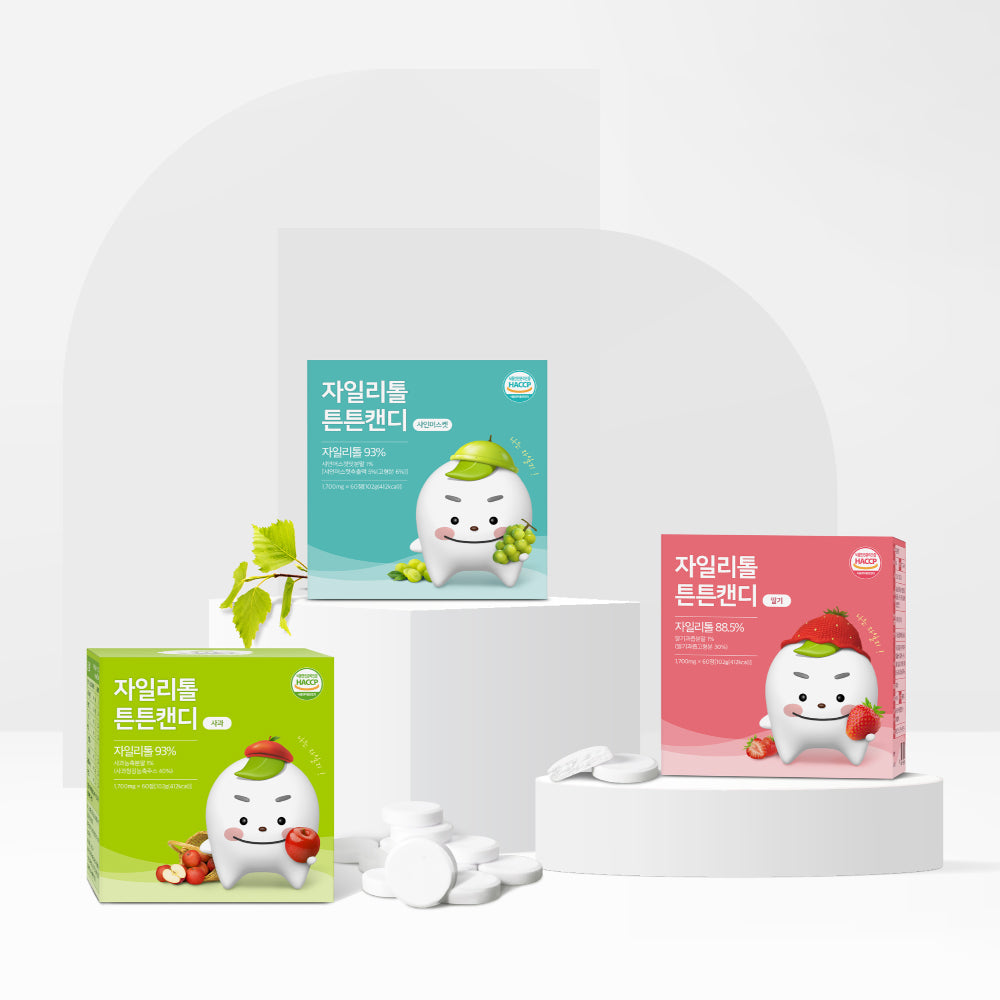
In the fascinating world of dental hygiene, the integration of xylitol into our daily routines has garnered considerable attention. For those unfamiliar, xylitol is a natural sugar alcohol that is not only low in calories but also possesses unique properties that can enhance oral health. Recently, there has been a growing trend of soaking toothbrushes in xylitol solutions, a practice that merits a thorough exploration. This article unravels the multi-faceted reasons behind the practice, while shedding light on its potential benefits, practical considerations, and the science underpinning xylitol’s efficacy.
To begin, it is essential to understand the fundamental attributes of xylitol. This naturally occurring substance can be found in various fruits and vegetables, as well as in the bark of birch trees. Its sweet flavor has made it a popular choice in sugar-free products, such as chewing gum and toothpaste. The enticing sweetness serves as a versatile alternative to traditional sugars, particularly for those mindful of their caloric intake or seeking to avoid the detrimental effects of sucrose. Xylitol’s key advantage lies in its capacity to inhibit the growth of cavity-causing bacteria, such as Streptococcus mutans. This pivotal characteristic is what makes it a subject of interest for toothbrush aficionados who seek innovative ways to enhance their oral hygiene.
Now, addressing the practice of soaking toothbrushes in xylitol, one might ponder the motivation behind such a method. For many, it is not simply a whimsical choice but a calculated step towards improved dental care. Soaking a toothbrush in a xylitol solution can potentially create a protective barrier against harmful bacteria. By coating the bristles with xylitol, users may immerse their toothbrushes in a microcosm of sweetness, which could diminish the bacterial load that typically lingers post-brushing. This dual-pronged approach—brushing with xylitol toothpaste and using a toothbrush that has been pre-treated with a xylitol solution—could lead to enhanced oral hygiene outcomes.
The plausibility of this practice stems from the biochemistry of xylitol. Unlike regular sugar, xylitol is metabolized differently by the oral microbiome. When consumed or utilized in dental care, it reduces the acidity of plaque-forming bacteria, thereby fostering a less hospitable environment for the proliferation of these harmful microorganisms. The incorporation of xylitol in daily brushing rituals may serve to fortify one’s defenses against dental caries and promote healthier gums. In soaking a toothbrush, one may unintentionally partake in a form of preventative dentistry, nurturing their teeth long before they encounter a meal.
Pragmatically speaking, the method of soaking one’s toothbrush in xylitol is as simple as it is effective. To embark on this novel dental care venture, one should begin with a solution of xylitol dissolved in water. Typically, a concentration of about 10% is recommended, which strikes a desirable balance between efficacy and safety. After ensuring that the xylitol is fully dissolved, one can submerge the toothbrush, allowing the bristles to absorb the solution for a duration of approximately 10 to 15 minutes. Post-soaking, users can elicit a sense of satisfaction, knowing that their dental tool is armed with an additional layer of protection against decay.
However, it is critical to approach this technique with a modicum of caution. While xylitol is generally regarded as safe for human consumption, excessive amounts can lead to discomfort in some individuals. Moreover, an important consideration arises for pet owners, as xylitol can be toxic to dogs. Awareness and precaution are crucial to ensuring the safety of all household members, both two-legged and four-legged.
In addition to its antibacterial properties, xylitol has been shown to aid in the remineralization of tooth enamel. This aspect of xylitol is of particular interest to those battling early signs of tooth decay. So while the notion of soaking a toothbrush may initially seem trivial, the deeper implications align with a holistic approach to dental health. By harnessing the potential of xylitol, individuals are not merely optimizing their brushing habits; they are engaging in a proactive stance towards maintaining the integrity of their dental structure long-term.
As with any worthwhile endeavor, consistency is paramount. Incorporating the practice of soaking your toothbrush in xylitol into one’s daily regimen may yield compounding benefits over time. Those who adopt this practice may soon notice a less frequent need for dental interventions, complemented by the refreshing, sweet flavor that xylitol is known to impart.
In conclusion, the intriguing practice of soaking toothbrushes in xylitol presents an innovative avenue in the quest for optimal oral health. By understanding the underlying principles that make xylitol effective against dental decay, individuals can make informed decisions about their dental hygiene practices. The act of infusing one’s toothbrush with this natural sweetener not only enhances the brushing experience but also provides a level of protection that extends beyond the surface. Thus, the next time you consider your dental habits, you might just find that a simple solution lies in the sweetness of xylitol.






Leave a Comment