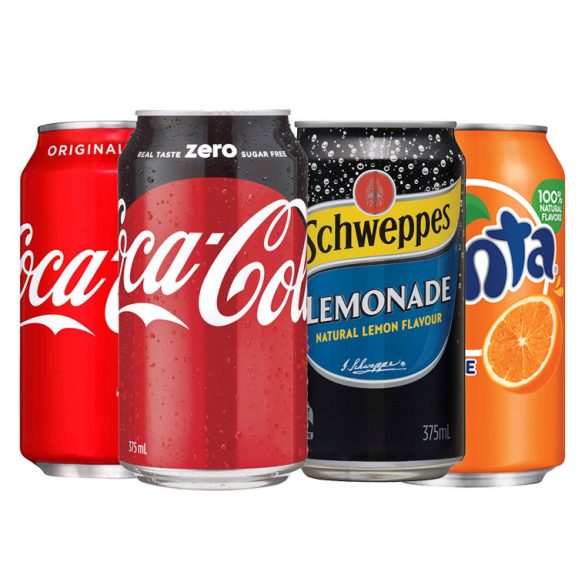
Soft drinks, beloved by many and regularly served at gatherings, come in a variety of shapes and sizes, but have you ever pondered the specifics behind the dimensions of these ubiquitous cans? At first glance, a standard soft drink can may appear unremarkable, yet a closer inspection reveals a fascinating world of engineering, design, and consumer psychology. This guide will delve into the dimensions of soft drink cans, dissecting their standard sizes, variations, and the implications of these measurements.
To kick things off, let’s consider: Do these can measurements merely serve a functional purpose, or do they influence our beverage experience? This playful question introduces a tangible challenge for manufacturers: how to balance practical design with marketing strategy, resonating with the ever-evolving palate of consumers.
Understanding Standard Can Dimensions
Soft drink cans are typically found in two primary sizes in the United States: the 12-ounce and the 16-ounce can. Each of these sizes carries a unique set of dimensions, which are carefully calculated to maximize efficiency in production, transportation, and consumer convenience.
The most ubiquitous form, the 12-ounce can, boasts a diameter of approximately 2.83 inches (7.2 cm) and a height of about 4.83 inches (12.2 cm). This standard size has carved out a niche in American culture and is often the go-to choice for those enjoying a casual beverage. Conversely, the 16-ounce can, commonly known as a “tallboy,” typically measures around 3 inches (7.6 cm) in diameter and stands about 5.6 inches (14.2 cm) tall. This slight increase in size can not only hold more liquid but also often enhances the drinking experience, allowing consumers to enjoy their drinks longer without needing to frequently open a new can.
The Flat vs. Dome Top Debate
Interestingly, the design of the can tops has evolved from flat to dome-shaped, with the latter now dominating the market. What’s the rationale behind this shift? The dome top can actually strengthen the structure of the can, minimizing the likelihood of deformation during the bottling process. Furthermore, the rounded shape allows for a more efficient distribution of pressure during canning, which is essential for carbonated beverages. This seemingly small design choice has significant implications for preserving the freshness and integrity of the drink inside.
Material Considerations
Beyond the dimensions, the material used in soft drink cans also merits attention. With most cans composed of aluminum, they offer advantages in weight and recyclability. The standard thickness of an aluminum can wall is about 0.009 to 0.012 inches (0.23 to 0.30 mm). This lightweight material not only reduces shipping costs but also aligns with sustainable practices—a crucial consideration in today’s environmentally conscious marketplace.
Regional Variations and International Standards
While the aforementioned dimensions are quintessential to the American soft drink market, it is worth noting that international standards can differ markedly. For instance, a common size in Europe is often the 330-milliliter can, which translates to approximately 11.2 ounces. The dimensions of the European cans can be more petite, not only accommodating cultural preferences for serving sizes but also optimizing for the spatial constraints of local retail environments.
Thus, navigating the global beverage market involves astutely tailoring can dimensions and designs to cater to regional tastes and logistical demands. As the competition progresses, brands continually innovate, introducing novel sizes and shapes. One might stumble upon cans shaped like flasks for a premium beverage or oversized novelty cans for promotional events, showcasing the versatility in can design.
Consumer Perception and Psychographics
Dimension also impacts consumer perception. Consider how a tallboy can might signal indulgence, while a small 7.5-ounce can appeals to those seeking moderation. These dimensions, intertwined with marketing messaging, provide a nuanced understanding of brand positioning. The challenge for marketers is not merely to promote a product but to create an identity that resonates with target demographics, encapsulating everything from sustainability to indulgence.
Environmental Impact of Can Dimensions
As consumers grow increasingly aware of their environmental choices, can dimensions also take on an ecological dimension. Larger cans reduce the overall amount of packaging per ounce of beverage, decreasing waste. However, the importance of recyclability must also be factored in, as lighter materials like aluminum are easier to transport and recycle, contributing to a reduced carbon footprint.
Thus, the ever-present dilemma for manufacturers lies in balancing dimensions with environmental ramifications, delivering product innovation that resonates with eco-conscious consumers.
Conclusion
So, what have we learned from our exploration of soft drink can dimensions? It becomes clear that these unassuming containers are not merely vessels for refreshment; they are a confluence of engineering, marketing, and environmental consideration. A simple can encapsulates a myriad of factors, from aesthetic appeal to practical functionality and ecological impact. As you pop open your next can of soda, consider not just the taste but the intricacies nestled within its dimensions. How do these factors enhance your drinking experience, and what might the next evolution in can design bring to the table? The challenge lies in the interplay between tradition and innovation—an exciting frontier in beverage consumption.











Leave a Comment