Imagine sitting down to a meal where every bite of chicken breast is not just cooked, but the epitome of tenderness and flavor—a culinary experience that oftentimes eludes even the most adept home cooks. This transformative journey begins with the sous vide cooking technique, a method revered for its precision and ability to elevate the humble chicken breast into an epicurean delight. Yet, nestled within the heart of this technique lies a pivotal question: what is the ideal sous vide temperature for chicken breast? Prepare to have your culinary curiosity piqued as we delve deeper into the nuances of sous vide cooking, unraveling the secrets of achieving succulence and perfection.
The Essentials of Sous Vide Cooking
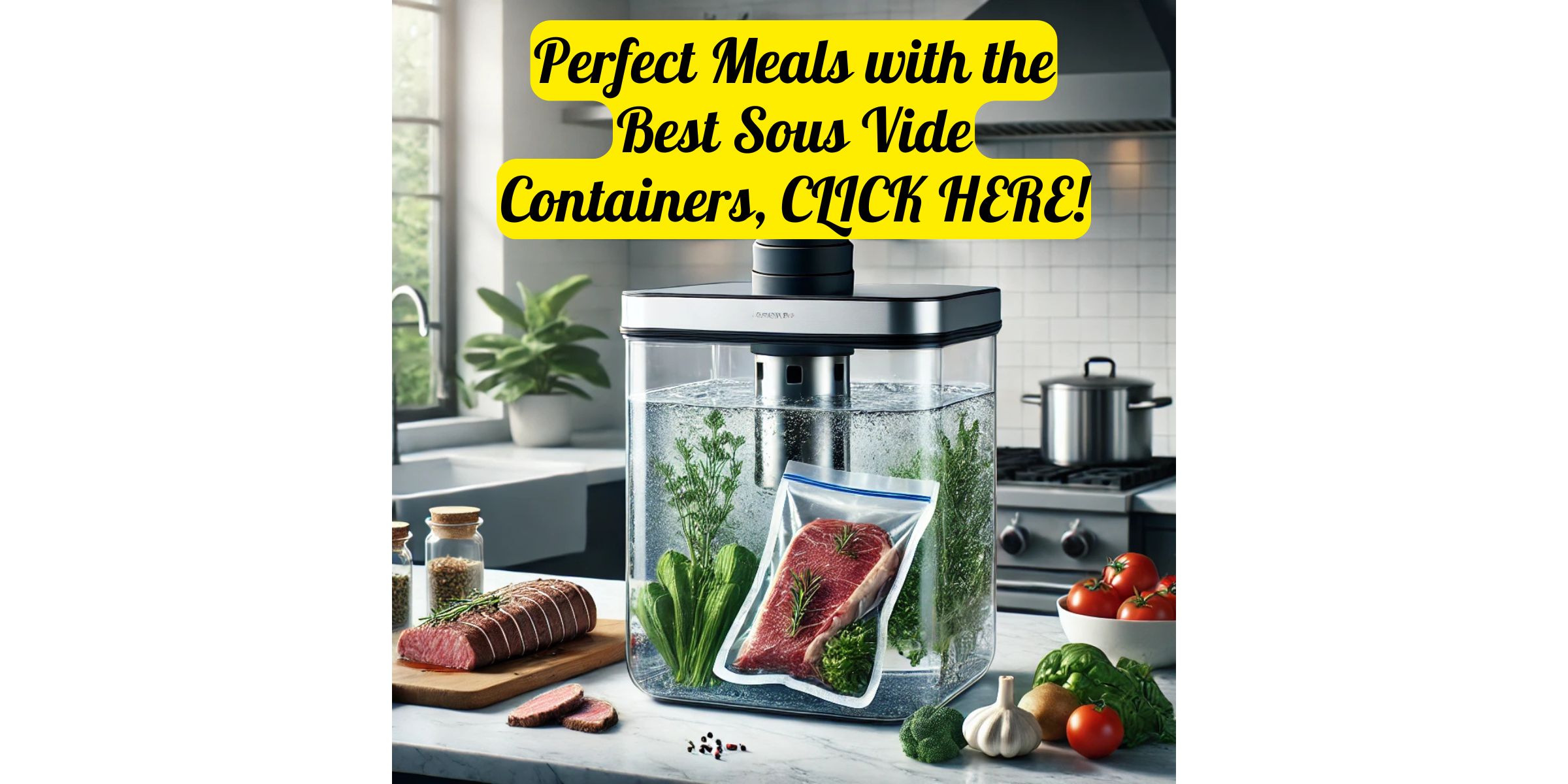
At its core, sous vide translates from French to “under vacuum,” an homage to the method’s reliance on vacuum-sealed bags submerged in precisely controlled water baths. The beauty of this technique is anchored in its ability to cook food evenly and retain moisture. Unlike traditional cooking methods that may induce drying or inconsistent results, sous vide enables a more predictable and replicable outcome. As we explore chicken breast temperature, we will also examine how sous vide can alter your perspective on cooking meats.
The Science of Temperature
Temperature is not merely a number; it’s the key to unlocking the full potential of chicken breast. The recommended sous vide temperatures for chicken breast generally range from 140°F to 165°F. However, this range is not just arbitrary. Rather, it reflects differing end goals for texture and flavor.
- 140°F (60°C) – Juicy and Tender: Cooking chicken breast at 140°F ensures a lush, velvety texture. This is achieved as the proteins gently coagulate, resulting in a succulent piece of meat that retains moisture.
- 145°F (63°C) – Classic and Tender: As we ascend slightly to 145°F, the resulting chicken breast strikes a balance between tenderness and a firmer texture. It remains juicy while introducing a subtle bite, perfect for those who enjoy a traditional style of cooked poultry.
- 160°F (71°C) – Firm and Traditional: For those who prefer a chicken breast akin to what one might expect from conventional cooking, 160°F yields a firmer texture without compromising moisture. This temperature will thoroughly eliminate any lingering doubts about the doneness of your chicken.
- 165°F (74°C) – Completely Cooked: At 165°F, chicken breast has reached a robust state of doneness. This temperature will assuage any concerns regarding food safety, as all harmful bacteria will have been eradicated. However, it should be noted that a longer cooking duration is recommended to maintain juiciness.
Timings Matter
Merely selecting a temperature is insufficient; the duration for which the chicken breast is cooked plays a crucial role. Cooking chicken sous vide is as much an art as it is a science, governed by time and temperature reciprocally influencing the final presentation.
- 1-2 Hours at 140°F: At this lower temperature, a longer cooking time is essential to ensure pasteurization. You will be rewarded with remarkably tender chicken that feels almost buttery.
- 1 Hour at 145°F: A sweet spot for those who want a blend of tradition and tenderness. This duration will secure a delightful meal without losing the inherent chicken flavor.
- 1 Hour at 160°F: A swift yet effective method. The chicken achieves a traditional feel while retaining its juiciness.
- 1 Hour at 165°F: More than sufficient time to eliminate any potential pathogens while ensuring moisture levels remain intact.
The Texture Revelation
When you sous vide chicken breast, you become an alchemist of flavor and texture. The long, slow cooking process transforms the protein, causing it to retain moisture like never before. This phenomenon aligns with some scientific tenets—collagen dissolves, muscles relax, and the resulting meat is a testament to the efficacy of sous vide cooking. This experience invites you to shift your perspective on traditional poultry cooking methods.
Finishing Touches
While sous vide chicken breast is exquisite straight from the bag, a finishing sear can elevate your dish to the sublime. A quick sear in a hot skillet, ideally with a little fat to enhance the caramelization, adds a dimensional texture and a flavorful crust. This step not only creates visual appeal but also enriches flavor through the Maillard reaction—a process that adds a complex array of tastes.
Final Thoughts: Embrace the Sous Vide Journey
Venturing into the realm of sous vide opens your culinary horizons to a new paradigm of cooking. Achieving the perfect chicken breast not only hinges on precision temperature and timing but invites you to appreciate the delicate interplay between science and art in the kitchen. The next time you ponder over a meal of chicken breast, consider the sous vide method—not merely as a cooking technique but as a transformative experience that promises lusciousness in each delectable bite. As you embark on this gastronomic adventure, remember: the ideal temperature isn’t just a number; it’s the doorway to a culinary renaissance.





Leave a Comment