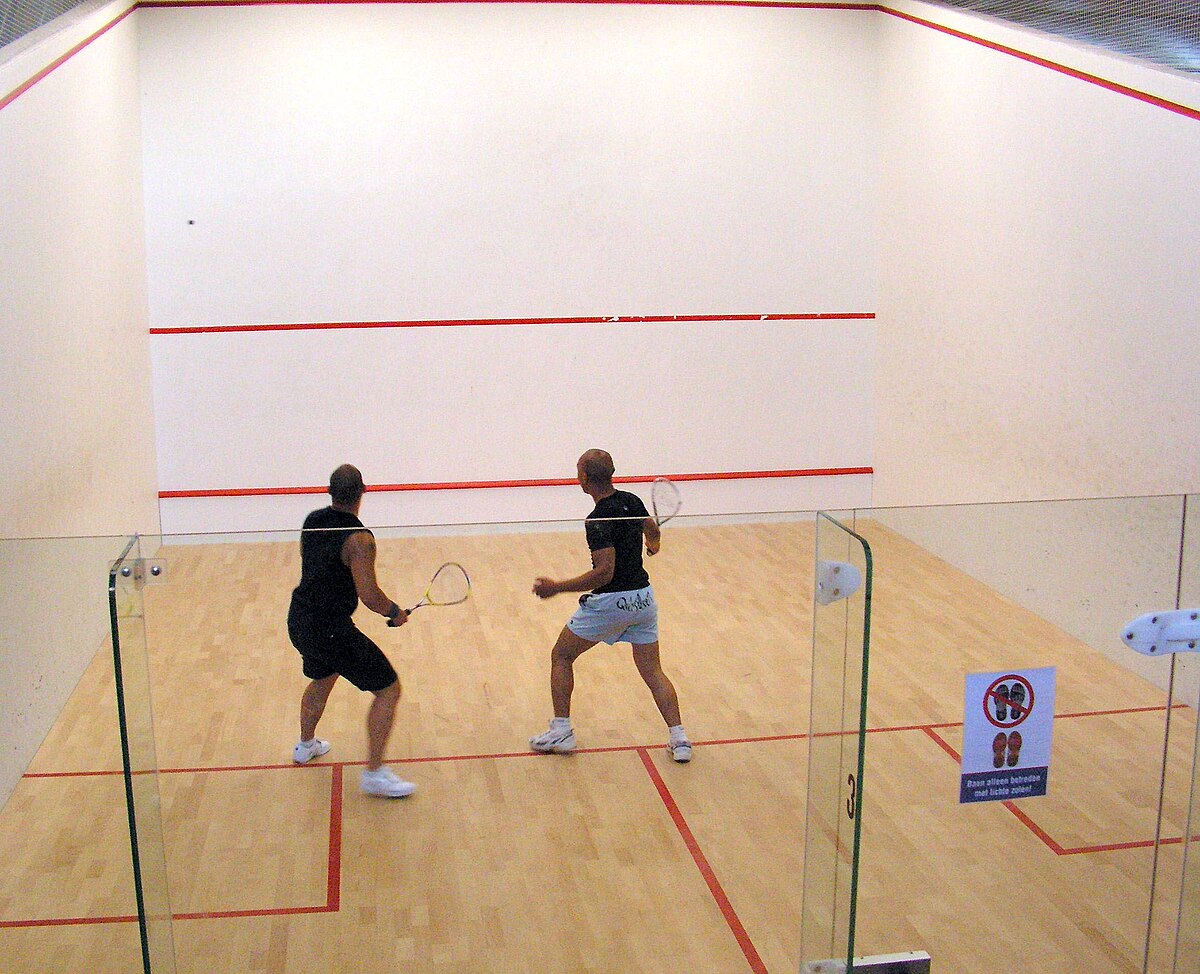
The age-old clash of racquet sports brings forth an engaging consideration: Squash and Racquetball. Within the confines of their respective courts, these two sports orchestrate not merely physical exertion but an intricate ballet of strategy, agility, and skill. When delving into their nuances, one unveils a rich tapestry that celebrates not only athleticism but the very essence of competition. Let’s explore the captivating realms of these two sports, elucidating their contrasts and highlighting their unique appeals.
Origins and Evolution: Divergent Paths
Both squash and racquetball have roots deeply embedded in the intricate canvas of indoor racquet sports, yet their histories diverge significantly. Squash emerged in the 1830s in the English public schools, a sport born of tradition, where it thrived on strategy and subtlety. Conversely, racquetball, conceived in the 1950s in the United States, burst onto the scene with an energetic flair, designed for speed and relentless play. The former channels the elegance of tactical maneuvering akin to a chess match, while the latter resembles a vibrant jazz performance, emphasizing rhythm and rapid-fire exchanges.
Court Dimensions and Structure: The Playing Field
When stepping onto the court, players immediately notice the chiseled differences in dimensions. A squash court, a veritable arena of precision, measures 32 feet long and 21 feet wide, enclosed by four walls — a space where angles and rebounds become vital in dictating the pace of play. The racquetball court, in contrast, stretches 40 feet in length and 20 feet in width, akin to a larger canvas allowing for the exuberance of power shots and dynamic movements. The ceiling, a crucial element in racquetball, transforms it into a three-dimensional playground, adding yet another layer of strategy and creativity.
Equipment Differences: The Tools of the Trade
The instruments of these sports, while both racquets, are subtly different instruments in the orchestra of play. Squash racquets are slender and elongated, offering finesse — akin to a finely-tuned violin that resonates with delicate notes. The strings are tighter, providing enhanced control, essential for executing drops and boasts that skim the walls and tease the opponent. On the flip side, racquetball racquets exude a sturdier profile, broader in head and lighter in weight. This construction is reminiscent of a bass guitar, designed to thump with power, perfect for those thunderous shots that echo through the court.
The Rules of Engagement: A Different Playbook
At the heart of each sport lies its distinct set of rules, governing the ebb and flow of the game. In squash, the player serves to the front half of the court, adhering to a strict point system that demands precise finesse with each rally. The ball must strike the front wall before bouncing twice on the floor, an exercise in control and placement. Racquetball, conversely, bears a more forgiving system. Players serve the ball to the front wall with greater leeway on where it can land, with points awarded in a more liberating manner, fostering a frenetic pace that could leave spectators breathless.
Playing Styles: The Signature Moves
Each sport invites distinct styles of play, akin to contrasting artistic movements. Squash thrives on subtlety, requiring players to master dropshots, drives, and strategic lobs. Here, the game morphs into a silent language of deception and anticipation, a cerebral contest where mental endurance matches physical prowess. Racquetball, however, celebrates audacity. Players unleash powerful forehands and backhands, executing wall-bouncing shots with palpable vigor and excitement. It resembles an exhilarating dance, where footwork and speed take center stage, leaving audiences captivated by the whirlwind of activity.
The Community and Culture: A Different Atmosphere
Both sports cultivate communities rich in camaraderie and shared passion, yet they manifest their unique cultures in intriguing ways. Squash, often associated with an air of sophistication, historically attracts players from diverse socioeconomic backgrounds, populating vibrant clubs and tournaments around the globe. These institutions often resemble gathering places of sport and social interaction, akin to city salons where intellect and prowess dance together. Racquetball, conversely, exudes a more casual ambiance, thriving in fitness centers and recreational facilities, promoting accessibility and inclusivity. Its tournaments feel like festival grounds, where players gather to share enthusiasm, lifting the spirits of one another in competitive celebration.
The Athletic Experience: Beyond the Scoreboard
Engaging in squash or racquetball transcends mere athleticism. Each offers a distinctive experience that leaves indelible marks on the body and mind. Squash demands unparalleled fitness; each match transforms the player into a symphony of endurance and cardiovascular strength. The slow, methodical approach to gameplay encourages mindfulness and strategic thinking, where every point transforms into a lesson of patience and focus. In contrast, racquetball offers a thrilling adrenaline rush, reminiscent of a roller coaster ride that elevates heart rates, igniting competitive fervor and unrestrained joy. Here, every rally is a celebration of energy and spontaneity.
Conclusion: A Personal Odyssey
Each sport, squash and racquetball, unveils a unique vista on the realm of racquet sports. The choice between them is less about preference and more about personal ethos—whether one resonates with the cerebral chess-like technique of squash or the high-octane burst of energy found in racquetball. Both sports invite individuals into a world where physicality meets artistry, strategy mingles with spontaneity, and community flourishes in diverse flavors. In the end, whether you wield your racquet in the quiet intensity of a squash court or the exuberant ambience of a racquetball arena, you embark on an exhilarating journey that defines the spirit of competition.









Leave a Comment