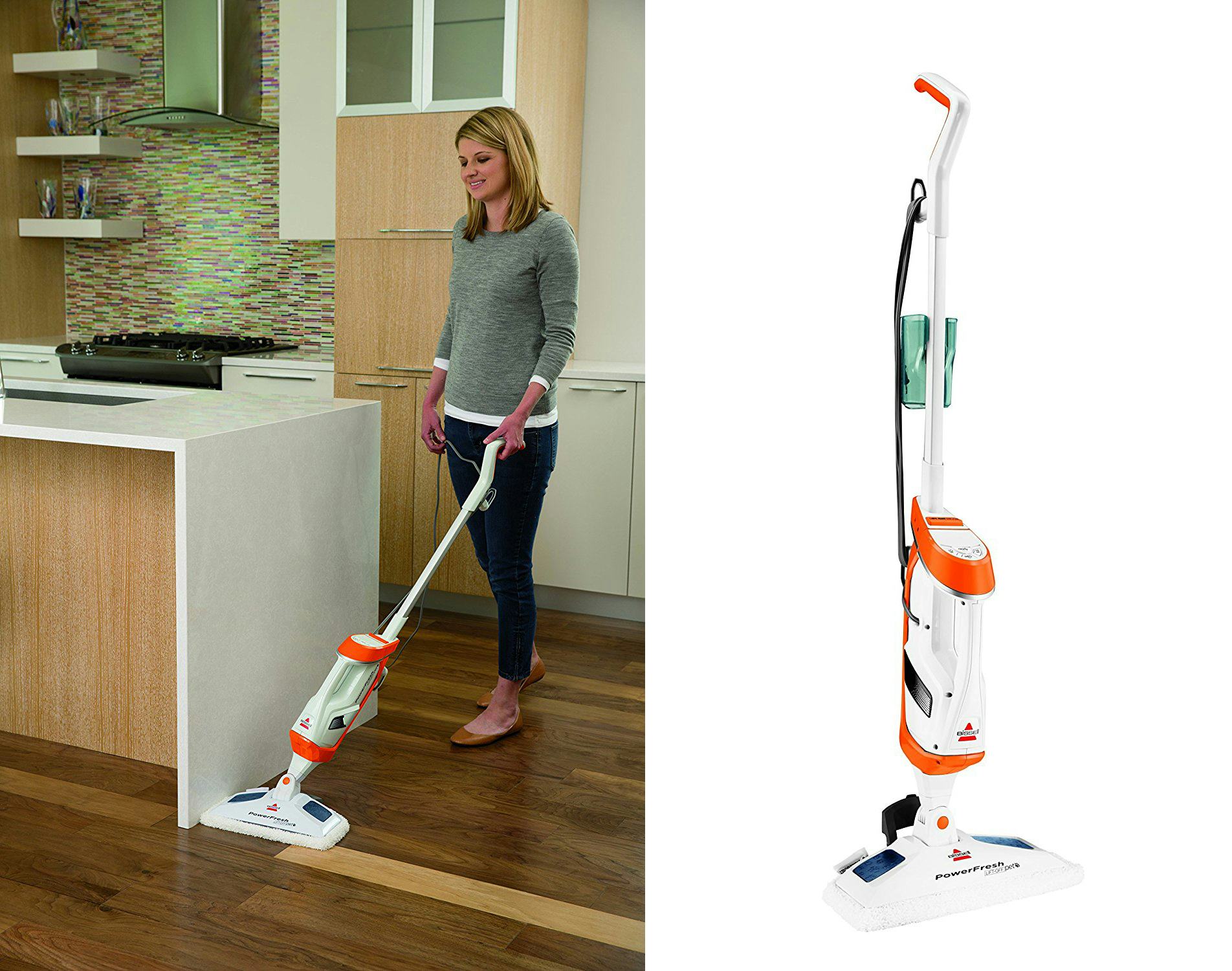
Steam mops have surged in popularity among homeowners looking for a thorough, eco-friendly cleaning solution. They offer a host of benefits, particularly when it comes to maintaining pristine floors. However, the question remains: Can steam mops be used safely on timber floors? This article explores the types of steam mops available, the nuances of using them on timber, their advantages and disadvantages, and best practices to ensure your floors stay immaculate without compromising their integrity.
Understanding Steam Mops
Steam mops are cleaning devices that utilize heated water to produce steam, effectively sanitizing surfaces while removing dirt and grime. These mops vary significantly in design and functionality, catering to different cleaning needs. Here are the primary types:
- Traditional Steam Mops: These are the most common type, designed for straightforward floor cleaning. They typically consist of a water reservoir, a heating element, and a microfiber pad.
- Multi-Function Steam Mops: This versatile category not only performs floor cleaning but also sanitizes upholstery, tiles, and carpets, depending on the attachments included.
- Lightweight Steam Mops: Ideal for quick touch-ups, these mops offer portability and ease of use, making them suitable for smaller spaces.
- Commercial-Grade Steam Mops: Built for durability and heavy cleaning, these mops are often used in professional cleaning settings and are designed to handle tough grime.
Before deploying any steam mop, it is essential to consider the material and finish of your timber floors.
Timber Floors: A Unique Cleaning Challenge
Timber floors exude warmth and elegance, enhancing any living space. However, they are also susceptible to moisture damage and warping if not cared for properly. The finish—whether it’s polyurethane, oil-based, or water-based—significantly affects how resistant the floor is to heat and moisture. Generally, water-based finishes are more forgiving but can still be damaged by excess heat or steam.
Advantages of Using Steam Mops on Timber Floors
The allure of steam mops lies in their efficacy and eco-friendliness. Here are some notable advantages:
- Sanitization: The high temperature of the steam kills bacteria, viruses, and allergens, providing a healthier living environment, particularly for households with pets or young children.
- Chemical-Free Cleaning: Steam mops eliminate the need for harsh chemical cleaners, making them a greener choice for maintaining timber floors.
- Thorough Cleaning: The steam penetrates crevices, effectively lifting dirt and grime that traditional mopping might leave behind, resulting in a deeper clean.
- Quick Drying: Since steam evaporates rapidly, floors dry faster after cleaning compared to regular mopping, reducing the chance of slip hazards.
Disadvantages of Using Steam Mops on Timber Floors
- Moisture Risk: Even though steam dries quickly, prolonged exposure to moisture can warp and damage timber floors, especially if the mop is kept in one spot for too long.
- Heat Sensitivity: Some finishes may not withstand the high temperatures generated by steam mops, requiring caution to prevent damage.
- Cost Consideration: Quality steam mops often come with a hefty price tag, making them a larger investment compared to traditional mops.
Best Practices for Steam Mopping Timber Floors
To harness the benefits of steam cleaning while safeguarding your timber floors, adhere to the following best practices:
- Check Manufacturer Guidelines: Always consult your floor’s warranty and manufacturer recommendations regarding steam cleaning to avoid voiding any agreements.
- Perform a Test Patch: Before full application, test a small, inconspicuous area to ensure there’s no adverse reaction from steam.
- Adjust Temperature Settings: If your steam mop has variable temperature settings, opt for a lower setting to mitigate potential damage.
- Keep the Mop Moving: Avoid lingering on one spot for extended periods; keep the mop in motion to prevent moisture accumulation.
- Use Microfiber Pads: Equip your steam mop with microfiber pads, which are gentler on surfaces and more efficient at capturing dirt.
- Regular Maintenance: Routinely check and clean the mop’s water reservoir and pads to ensure optimal performance.
Conclusion
Steam mops can be an effective tool for cleaning timber floors, offering deep sanitization without the use of harsh chemicals. However, the key to successful steam mopping lies in understanding the specific requirements of timber maintenance and adhering to best practices that preserve the beauty of your floors. By carefully considering the type of steam mop, recognizing the unique qualities of your timber, and following proper usage guidelines, you can achieve sparkling clean floors while retaining their lustrous finish for years to come. Ultimately, investing in the right steam mop and using it judiciously can lead to a clean, inviting home that reflects your personal style.








Leave a Comment