In the celestial theater where constellations pirouette and the cosmos whispers secrets, myths surrounding the sun, moon, and stars have flourished throughout human history. They speak not merely of celestial bodies but reflect humanity’s enduring quest to understand existence, time, and our place in the universe. The interplay of these cosmic entities inspires creativity and awe, giving rise to myriad legends that enrich cultural tapestries. This exploration delves into these myths, intertwining their narratives with the metaphysical and philosophical musings they evoke.
1. The Sun: A Radiant Sovereign
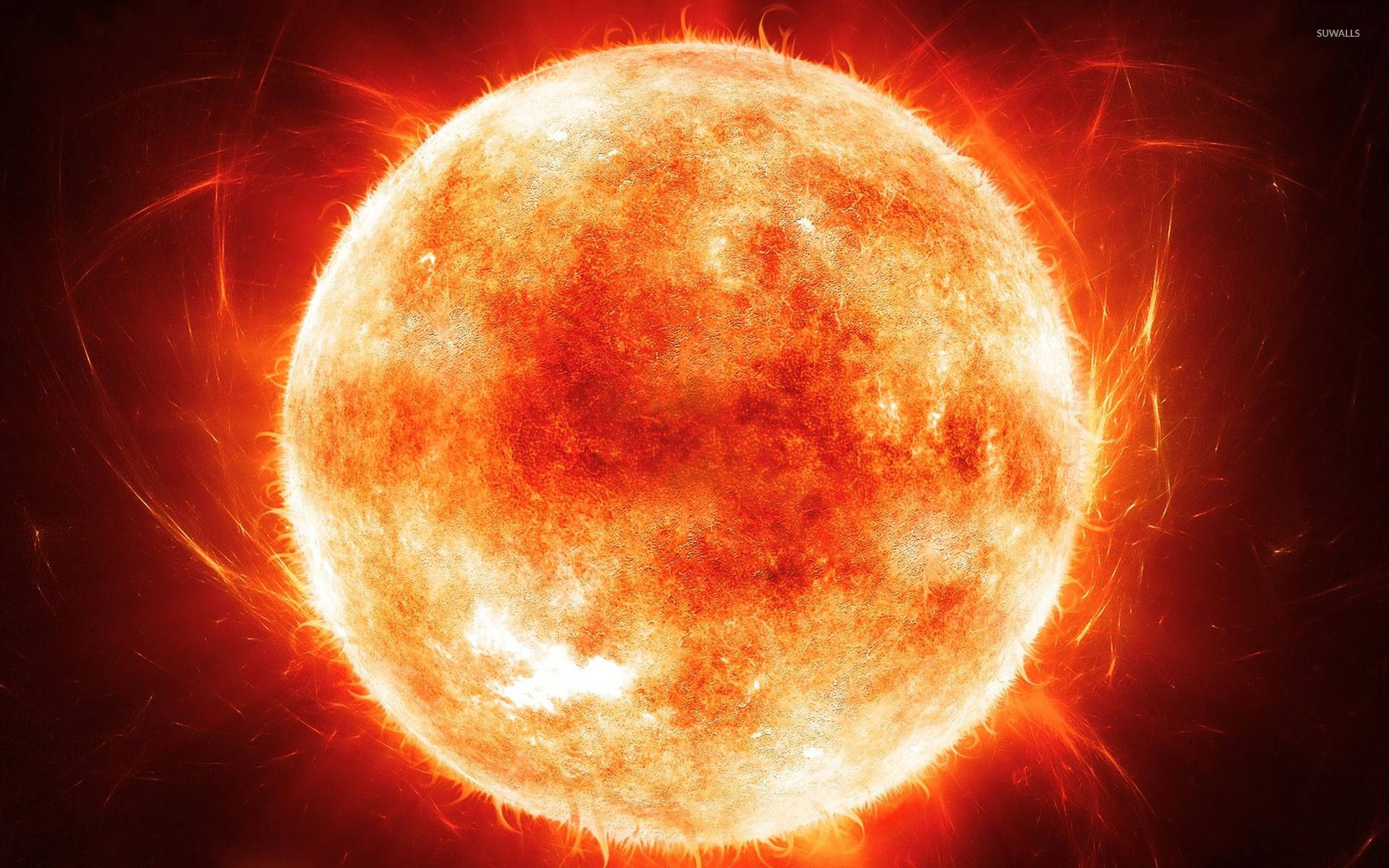
The sun, omnipresent and radiant, is often depicted as a sovereign deity in many cultures. In ancient Egyptian mythology, Ra embodies this heliacal majesty, traversing the heavens in his solar barque. The journey represents the cycle of life, illuminating the duality between creation and destruction, a constant reminder of the balance necessary to sustain existence. Symbolically, the sun serves as the bastion of light, life, and vitality.
Conversely, in the mythological realms of Norse tradition, the sun is personified as Sól, chased across the sky by the wolf Sköll. This relentless pursuit provides a profound metaphor for the fleeting nature of time and the inevitability of change. Sól’s race reminds us of mortality, emphasizing that light, like life, is transient, casting our experiences in sharper relief.
2. The Moon: Enigmatic Reflections
Veiled in mystery, the moon exudes an ethereal charm that has captured the imaginations of countless civilizations. Unlike the sun, which blazes with overwhelming fervor, the moon exudes a gentle luminance, symbolizing introspection, intuition, and the subconscious. In Greek mythology, Selene embodies this lunar essence, often depicted with a serene visage as she glides through the nocturnal expanse.
The moon’s phases serve as metaphors for transformation and cyclical renewal. The waxing crescent symbolizes birth and potential, while the waning gibbous signifies introspection and the shedding of the past. In many indigenous cultures, such transformations are intimately tied to agricultural cycles, reinforcing a belief in nature’s harmony and the rhythmic interplay of growth and decay.
3. The Stars: Cosmic Itinerary
Stars, sparkling gems scattered across the universe, have long served as navigational aids and sources of inspiration. Their twinkling allure invites myriad interpretations and tales. In the ancient Chinese cosmos, the stars form constellations that correspond to virtues and behaviors, guiding moral philosophy and elucidating the human experience. The celestial tapestry becomes an interactive ledger of lessons and aspirations, woven into the very fabric of life.
Contrarily, in Greek mythology, the Pleiades—a cluster of seven stars—are linked to the myth of seven sisters, daughters of Atlas. Their transformation into stars is both an embrace of celestial elevation and a poignant narrative of loss and longing. The stars, thus, symbolize aspirations and dreams, beckoning individuals to strive for greatness while reminding them of the sacrifices often made in pursuit of those ideals.
4. Cosmic Constellations: Interconnected Narratives
The celestial bodies—sun, moon, and stars—interact in a wondrous ballet, illustrating various cultural intersections. The Hindu mythological perspective presents Surya (the sun) and Chandra (the moon) as celestial siblings, engaging in playful rivalry while illuminating the night together. This symbiotic relationship is not merely astronomical; it speaks to the coexistence of opposites—the masculine and feminine, illumination and shadow—each necessary to create a harmonious whole.
Moreover, the interplay of these entities serves as a reminder of humanity’s innate connection to the cosmos. Astrologically, the sun represents one’s core identity, the moon, emotions, and the stars, aspirations. This celestial triad invites an understanding of the self beyond terrestrial confines, suggesting that our identities are inextricably linked to the cosmic world around us.
5. Métier of Mythology: The Legacy
The myths surrounding the sun, moon, and stars encapsulate essential truths about human existence, resonating through time and cultures. They offer insights into weathered human tribulations, triumphs, and the musings of the soul. These celestial stories conjure a sense of wonder and provoke introspection, encouraging one to gaze upward and ponder the cosmic canvas that embraces us all.
In our modern world—exhausted by the mundanity of daily routines—the tales of cosmic phenomena shed light on the beauty of possibility. They challenge an entrenched viewpoint that narrows existence down to logical constructs, urging one to embrace the metaphysical. The narratives of sun, moon, and stars become not just stories, but compelling blueprints for exploration, both internally and externally.
Conclusion: The Eternal Dance
Ultimately, the myths of the sun, moon, and stars create a mesmerizing tapestry that intertwines humanity with the cosmos. They evoke a sense of wonder that transcends time, offering a compendium of wisdom to navigate life’s complexities. As we look to the sky, we are reminded that we are part of a larger narrative—a celestial saga that invites us to dream, reflect, and connect. In this eternal dance of light and shadow, our stories converge with the grander cosmic narrative, each contributing to the intricate design of existence.











Leave a Comment