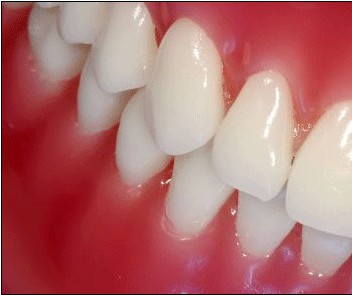
Experiencing swelling of the gums in between teeth can be an alarming and uncomfortable condition. This phenomenon, also referred to as gum inflammation or gingival swelling, may arise from various underlying causes. Understanding the intricacies of this condition is essential for effective management and prevention. In this article, we shall delve into the multifaceted aspects of gum swelling, its potential causes, symptoms, consequences, and recommendations for treatment and prevention.
Understanding Gum Swelling
Gum swelling typically indicates an inflammatory response of the gingival tissue. This inflammation can occur for a myriad of reasons, and it often acts as a window into the overall health of your oral environment. Healthy gums are firm, pale pink, and do not bleed during normal brushing or flossing. When gum swelling occurs, these characteristics are disrupted, leading to noticeable discomfort and potential complications if left unaddressed.
Common Causes of Gum Swelling
Identifying the root cause of swollen gums is crucial for effective treatment. Below are several prevalent reasons behind this condition:
- Periodontal Disease: The leading cause of gum swelling is periodontal disease, a chronic bacterial infection affecting the gums and supporting structures of the teeth. As the disease progresses from gingivitis (mild inflammation) to periodontitis (more severe damage), the swelling may increase, accompanied by deeper pockets around the teeth.
- Infections: Various infections, including viral, bacterial, or fungal ailments, can elicit significant inflammatory responses. Conditions such as herpes simplex virus or candidiasis may present with swelling and discomfort in the gums.
- Allergic Reactions: Allergic reactions to dental products, such as toothpaste, mouthwash, or even certain foods, can lead to localized swelling of the gums. Ingredients that cause irritation or an allergic response can produce noticeable symptoms.
- Hormonal Changes: Hormonal fluctuations, particularly those occurring during puberty, menstruation, pregnancy, or menopause, can render the gums more susceptible to swelling and inflammation due to increased blood flow and tissue sensitivity.
- Dental Appliances: Ill-fitting dentures, braces, or other dental appliances can irritate the gum tissue, leading to localized swelling. Regular adjustments and proper fitting are vital to mitigate these effects.
- Trauma and Injury: Any physical trauma to the gum area, whether from aggressive brushing or accidental bites, can trigger inflammation and swelling. Always be cautious with oral hygiene practices to avoid unnecessary irritation.
- Systemic Conditions: Certain systemic health issues, such as diabetes or autoimmune diseases, can lead to compromised oral health, resulting in swollen gums as part of a wider clinical presentation.
Symptoms and Signs of Gum Swelling
The symptoms accompanying swollen gums can vary greatly in their presentation. Here are some common indicators that may suggest the need for professional consultation:
- Redness and Tenderness: Inflamed gums often exhibit a vibrant red hue and may feel tender or painful to the touch. This discoloration results from increased blood flow to the affected area.
- Bleeding: Swollen gums often bleed during brushing or flossing, which can be particularly alarming. Blood indicates that the gum tissue is irritated and may need immediate attention.
- Bad Breath: Chronic bad breath, or halitosis, can be linked to gum disease and inflammation, often stemming from the accumulation of bacteria in the oral cavity.
- Pocket Formation: In cases of periodontal disease, spaces or pockets may develop between the teeth and gums, exacerbating discomfort and trapping debris.
- Changes in Bite or Alignment: If swollen gums are accompanied by changes in the way teeth fit together, this may indicate a more serious underlying dental issue requiring attention.
Impact of Untreated Swollen Gums
Ignoring swollen gums can have serious ramifications. Over time, untreated gum inflammation can escalate, potentially leading to tooth loss due to the destruction of the supporting bone. Moreover, the systemic implications of periodontal disease have garnered increasing attention, with links established between oral health and conditions such as cardiovascular disease, diabetes, and respiratory illnesses. Prompt intervention is essential not only for oral health but also for overall well-being.
Treatment Options for Swollen Gums
Upon identifying the underlying cause, several treatment modalities can be employed to alleviate gum swelling:
- Professional Dental Cleaning: Regular professional cleanings can remove plaque and tartar accumulation, significantly reducing inflammation and promoting gum health.
- Antimicrobial Mouthwashes: Utilizing antimicrobial or antiseptic mouth rinses can help reduce bacterial load and mitigate inflammation.
- Topical Treatments: Prescription or over-the-counter gels and creams may reduce inflammation and soothe irritated gums. Agents containing benzocaine can provide temporary relief.
- Adjustments to Dental Appliances: If ill-fitting dentures or braces contribute to gum issues, consult with a dental professional to make necessary adjustments for comfort and healing.
- Improved Oral Hygiene: Adopting a diligent oral hygiene routine, including regular brushing and flossing, is paramount to prevent further inflammation.
- Dietary Modifications: A balanced diet rich in vitamins and minerals can bolster the immune system and support gum health. Avoiding overly acidic or sugary foods can also reduce irritation.
Preventive Measures
Preventing gum swelling goes hand-in-hand with maintaining optimal oral health. Here are several strategies that can help avert the onset of this concerning condition:
- Regular Dental Visits: Schedule routine check-ups and cleanings to monitor and maintain oral health effectively.
- Effective Oral Hygiene Practices: Brush twice daily and floss at least once to ensure plaque does not accumulate near the gum line.
- Stay Hydrated: Adequate hydration aids in maintaining saliva production, which is crucial for neutralizing acids and washing away food particles and bacteria.
- Avoid Tobacco Products: Smoking and using tobacco products have detrimental effects on oral health, increasing susceptibility to gum disease.
- Mindful Nutrition: Incorporate plenty of fruits, vegetables, and whole grains into your diet. Nutritional choices play a critical role in maintaining healthy gums.
In conclusion, swelling of the gums in between teeth is a significant oral health concern that warrants attention. By grasping the various causes, symptoms, and potential consequences associated with gum swelling, individuals can be better equipped to identify changes in their oral health early on. Through appropriate treatment and preventive measures, the integrity of gum tissue can be preserved, ensuring a healthy, vibrant smile for years to come.











Leave a Comment