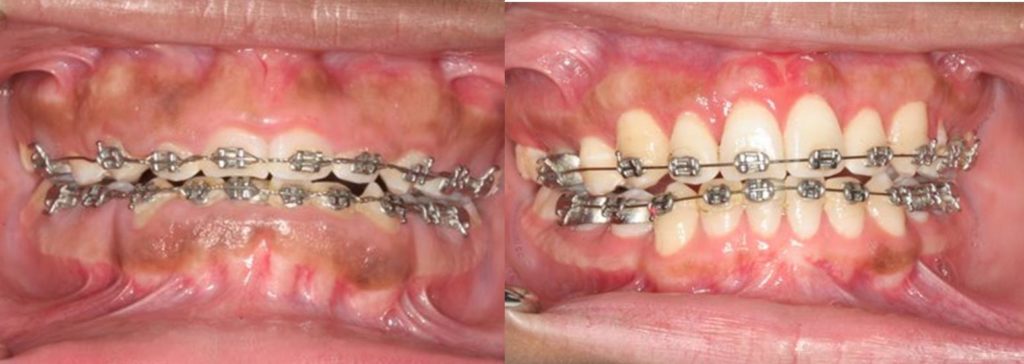
Wearing braces is an intricate dance of adjustments and adaptations, a journey toward achieving the radiant smile one has always envisioned. However, this transformative path can also lead to unexpected complications, one of which commonly manifests as swollen gums. For many, swollen gums with braces can ignite a whirlwind of concern and discomfort. Understanding this condition is critical, as it not only impacts oral health but also the overall experience of orthodontic treatment. In this article, we delve into the various aspects of swollen gums associated with braces, exploring causes, preventive measures, and potential remedies.
1. Understanding the Biology: What Causes Swollen Gums?
Gum swelling, or gingival inflammation, often arises from the body’s response to plaque buildup, which can be exacerbated by the presence of braces. When brackets, wires, and bands come together to reposition teeth, they create additional surfaces where plaque can accumulate. This, combined with the complex hygiene routine that braces necessitate, can lead to irritation of the gum tissue.
Key irritants include:
- Plaque and Bacteria: The formation of plaque is a natural result of food particles and bacteria interacting in the mouth. When not meticulously removed, plaque hardens into tartar, inciting gum inflammation.
- Trauma from Orthodontic Appliances: The metal components of braces can cause minor abrasions, which may exacerbate inflammation and swelling.
- Dietary Factors: Certain foods, particularly those high in sugar or acidity, can aggravate gum sensitivity and contribute to swelling.
2. Identifying Symptoms: Recognizing Swollen Gums
Swollen gums can present an array of symptoms that signal underlying issues. Early detection is paramount in managing discomfort and preventing further complications. Common indicators include:
- Redness and puffiness along the gum line.
- Bleeding during brushing or flossing.
- Sensitivity or tenderness while eating.
- Persistent bad breath that does not ameliorate with hygiene efforts.
In severe cases, swollen gums can also lead to abscesses or pockets of infection, necessitating prompt attention from an orthodontic professional.
3. Prevention: Steering Clear of Swollen Gums
Once the phenomenon of swollen gums becomes apparent, one might feel overwhelmed. However, understanding that prevention is within reach provides a sense of agency. Here are proactive steps to mitigate gum swelling during orthodontic treatment:
- Meticulous Oral Hygiene: Brushing and flossing with precision is non-negotiable. Utilize a soft-bristled toothbrush and fluoride toothpaste, and consider an interdental brush to navigate around brackets and wires effectively.
- Regular Dental Check-Ups: Frequent visits to the orthodontist are vital for maintaining oral health. Routine cleanings can expertly remove plaque and tartar buildup that at-home routines may miss.
- Rinsing with Antimicrobial Mouthwash: Incorporating an antimicrobial mouthwash can help control bacterial proliferation in the mouth, reducing the risk of inflammation.
- Choosing the Right Foods: Emphasize fresh fruits and vegetables while avoiding sticky, sugary snacks that cling to braces, fueling plaque formation.
4. Treatment: Remedies for Swollen Gums with Braces
Even with preventative measures in place, swollen gums may still occur. When this happens, consider the following remedies to alleviate discomfort:
- Saltwater Rinse: Dissolving a teaspoon of salt in warm water creates an effective natural rinse that can soothe inflamed gums and promote healing.
- Application of Cold Compress: A cold compress applied to the outside of the mouth can reduce swelling and numb any painful areas.
- Over-the-Counter Pain Relievers: Non-prescription pain medications like ibuprofen can help reduce inflammation and discomfort, but should always be used judiciously.
- Consulting with the Orthodontist: If swelling persists, consulting an orthodontic professional is crucial. They may recommend additional treatment options or adjustments to your braces.
5. The Emotional Impact: Mental Health Considerations
Beyond physical symptoms, the discomfort associated with swollen gums can take a toll on one’s emotional well-being. The frustration and pain can lead to feelings of self-consciousness, particularly during a period when confidence is paramount. It’s essential to acknowledge these feelings, considering the holistic impact of orthodontic treatment:
- Communicate Your Concerns: Reach out to your orthodontist with any worries; they can offer guidance, reassurance, and practical solutions.
- Seek Support: Whether from friends, family, or online communities, discussing your experiences can alleviate feelings of isolation.
Conclusion: A Journey of Transformation
While swollen gums can appear as a daunting hurdle during the journey of wearing braces, a shift in perspective can transform this experience into an opportunity for growth and learning. Understanding the underlying causes, implementing preventive measures, and recognizing the significance of mental well-being are crucial steps in navigating this challenge. Every ache and discomfort encountered along the way is a step towards ultimately revealing the vibrant smile that lies ahead. Embracing this journey with a proactive and informed approach shall undeniably lead to the coveted outcome—a dazzling smile, accompanied by healthy gums.











Leave a Comment