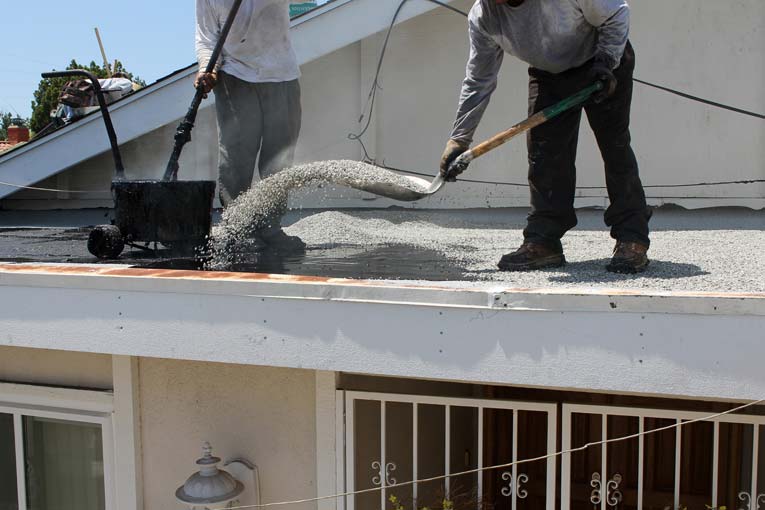
When it comes to roofing solutions, few choices evoke as much intrigue and practicality as tar and gravel roofs. Often overlooked in favor of more modern materials, these roofs have a storied past and a unique appeal that is both functional and aesthetic. Their composite nature—consisting of layers of tar, gravel, and sometimes additional materials—reveals more than mere practicality. It reflects a harmonious balance between durability and tradition, capturing the imagination of builders and homeowners alike. This article delves into the intricacies of tar and gravel roofs, exploring their composition, installation processes, advantages, disadvantages, maintenance requirements, and much more.
1. The Composition of Tar and Gravel Roofs
At the heart of the tar and gravel roof lies a fundamental composition of three primary layers: the base layer, the tar layer, and the gravel layer. The journey begins with the base layer, typically composed of either a ply sheet or a base felt made of fiberglass or organic materials. This foundation provides essential support and ensures a solid substrate for subsequent layers.
Next comes the application of hot tar or modified bitumen, which serves as the adhesive and waterproofing agent. Skilled professionals apply the hot tar in layers, creating a seal that forms an impenetrable barrier against moisture penetration. Finally, the crowning glory of this roofing system is the gravel. Not only does it provide an aesthetic touch, but it also protects the underlying layers from ultraviolet radiation and extreme weather conditions.
2. Installation Process
The installation of a tar and gravel roof is a labor-intensive endeavor. It demands both skill and precision. A typical installation begins with the preparation of the roof surface, ensuring it is free from debris and moisture. Next, contractors typically lay down the base layer, followed by multiple layers of hot tar, allowing each layer to cool and solidify before proceeding. The final step involves sprinkling a layer of gravel, which is essential for protecting the roof. While the process requires a fair bit of expertise, the result is a robust roofing solution capable of withstanding the test of time.
3. Advantages of Tar and Gravel Roofs
The allure of tar and gravel roofs stems from many advantages that make them a popular choice for commercial and residential applications. One notable benefit is their exceptional durability. When properly installed, these roofs can last anywhere from 20 to 50 years, providing a long-term investment for property owners. Moreover, their inherent resistance to fire and extreme weather conditions adds to their durability rating.
Another compelling advantage is their insulating properties. The layers of tar and gravel offer thermal insulation, helping to maintain better temperature regulation within the building, thereby reducing energy costs. Furthermore, tar and gravel roofs are flat, making them an excellent choice for buildings with minimal slope. This flatness also allows for easy installation of rooftop equipment, such as HVAC systems.
4. Disadvantages of Tar and Gravel Roofs
Despite their myriad advantages, tar and gravel roofs are not without their downsides. One primary concern is the potential for leaks, particularly if the installation process is not executed meticulously. Over time, even the smallest fissures can lead to significant water damage beneath the roof’s surface.
Additionally, the weight of a tar and gravel roof presents challenges, as it can necessitate additional structural support. Homeowners should also consider the environmental implications, as traditional tar comprises petroleum-based components. This factor has spurred an increasing interest in alternative materials and systems that boast greater sustainability.
5. Maintenance Requirements
Maintenance is an essential aspect of prolonging the life of a tar and gravel roof. Regular inspections are necessary to identify potential issues such as cracks or blisters in the tar layer. Roofing professionals suggest cleaning the gravel to avoid debris accumulation that can lead to water pooling. Furthermore, periodic re-coating of the tar layer can significantly extend the roof’s lifespan and enhance its water resistance.
Another critical factor is drainage. Ensuring that the roofing system has effective drainage solutions, such as scuppers or downspouts, mitigates the risk of water accumulation and subsequent damage. Property owners must remain vigilant, as the flat nature of tar and gravel roofs could lead to issues if drainage is not appropriately managed.
6. A Structural Marvel of its Time
While the modern roofing market is saturated with high-tech materials promising advanced features, the enduring elegance of tar and gravel roofs signifies something far deeper. They embody a bygone era when craftsmanship was paramount, and sustainability was intrinsically woven into the fabric of construction. Their construction may be straightforward, but the layers tell a story rich with history and industrial progress.
Conclusion
As we draw to a close, it is essential to reflect on the fascinating amalgamation of practicality and art that tar and gravel roofs embody. Their steadfast presence in the roofing industry, coupled with their inherent durability and unique aesthetic, makes them an enduring choice for many property owners. While they come with inherent advantages and challenges, the allure remains evident. Tar and gravel roofs are not simply functional structures; they are a celebration of architectural ingenuity and a testament to the craftsmanship that offers stability, insulation, and time-honored appeal. Whether you are considering a new roof or simply appreciating the artistry of roofing systems, the tar and gravel roof stands as a remarkable emblem of human innovation.









Leave a Comment