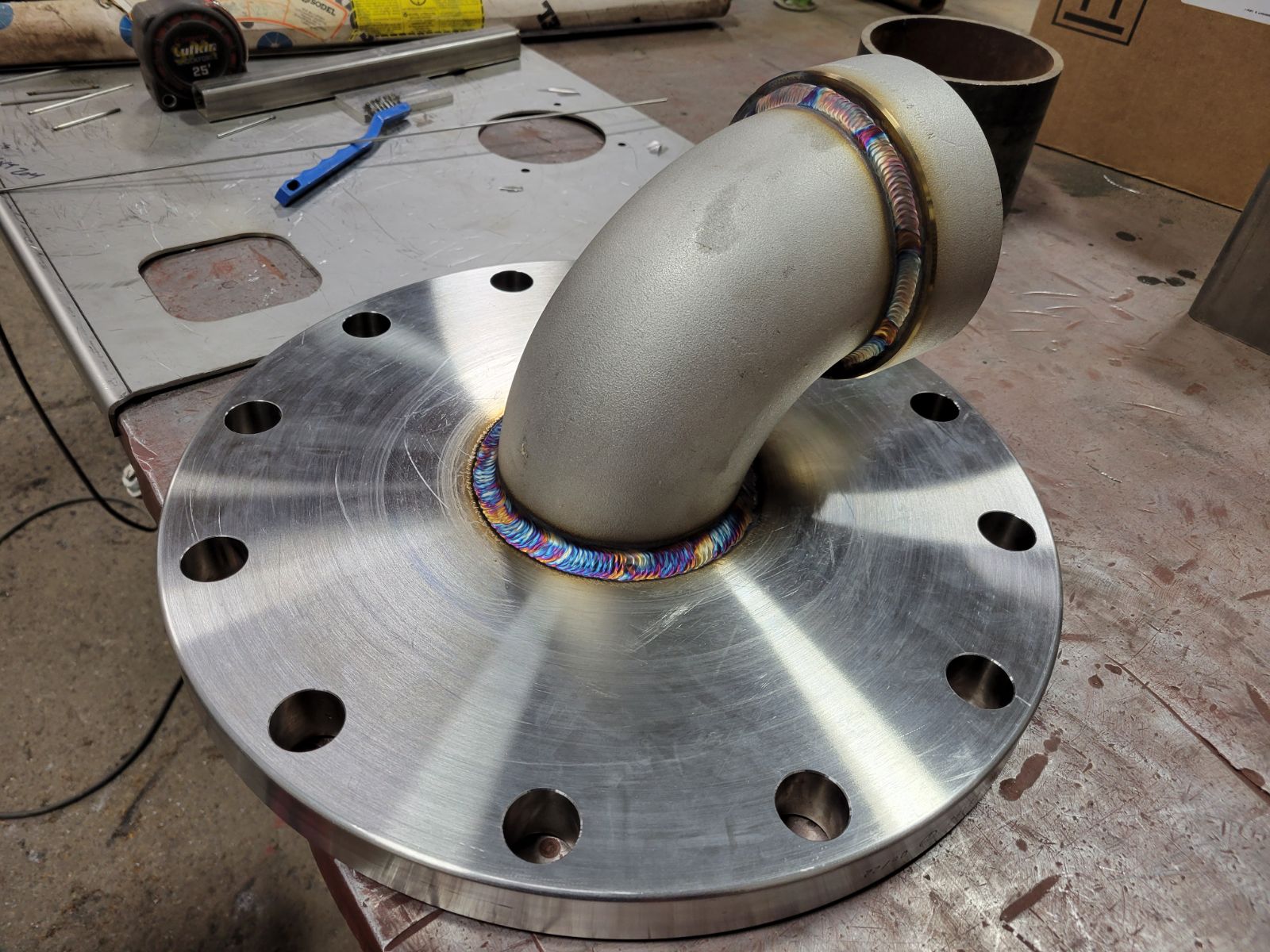
When it comes to joining materials, TIG welding stainless steel is a meticulous art that boasts both complexity and elegance. As a skill that combines precision and creativity, TIG welding (Tungsten Inert Gas welding) provides a unique approach to fabricating robust structures while maintaining the aesthetic integrity of stainless steel. This article delves into the intricacies of TIG welding stainless steel, unveiling techniques, equipment, and pro tips that promise to revolutionize your consideration of metalwork.
Understanding the Basics of TIG Welding
TIG welding, fundamentally different from other welding techniques such as MIG (Metal Inert Gas) or Stick welding, utilizes a non-consumable tungsten electrode to create an arc between the electrode and the workpiece. This arc melts the base material, resulting in a fusion. A shielding gas, typically argon or helium, protects the molten weld pool from atmospheric contaminants, ensuring a clean and pure weld. The marvel of TIG welding lies not only in its ability to weld stainless steel but also in how it can elevate the quality and strength of the final product.
Stainless Steel: An Ideal Champion for TIG Welding
Why stainless steel? This alloy, primarily composed of iron, chromium, and nickel, possesses remarkable properties that make it suitable for various applications. Its innate resistance to corrosion, heat, and oxidation eases the welding process, allowing welders to create resilient joints without compromising durability or aesthetics. However, one must appreciate that not all stainless steel grades are created equal. The distinction between austenitic, ferritic, and martensitic grades can greatly influence the welding process, requiring tailored approaches to achieve the best results.
Equipment Essentials for TIG Welding
To embark on the TIG welding journey, equip yourself with the following essential tools:
- TIG Welding Machine: A reliable TIG welding machine is pivotal. Ensure that it features a high-frequency start for precision, along with adjustable amperage settings to accommodate various thicknesses of stainless steel.
- Tungsten Electrodes: The choice of tungsten electrode can affect the weld quality. For most stainless steel applications, 2% thoriated tungsten or 2% ceriated tungsten is recommended due to their balance of arc stability and longevity.
- Filler Rods: Selecting the right filler rod is crucial. ER308L or ER309L rods are commendable choices for most stainless steel welding tasks, owing to their compatibility and strong weld integrity.
- Protective Gear: Safety should never be an afterthought. Equip yourself with a welding helmet, gloves, and protective clothing to shield against UV radiation and potential sparks.
Preparation: The Foundation of Success
Preparation can be the differentiator between a mediocre weld and a masterpiece. Begin by cleaning the stainless steel surface meticulously to eliminate dirt, grease, or oxidation. Contaminants can lead to poor fusion and weld defects. Grinding or machining the surfaces can help achieve an ideal edge for a strong joint. It’s also wise to set up a proper workspace; a flat, stable surface will enhance accuracy and consistency throughout the welding process.
Mastering Technique: Consistency is Key
Diving into the actual welding process, one must maintain a steady hand and an acute attention to detail. Begin by adjusting the machine settings according to the thickness of the stainless steel. A lower amperage setting is generally advisable for thinner materials, while thicker plates may demand more power. The arc length must be judiciously controlled; a short arc length can yield more concentrated heating, while a longer arc may spread heat more evenly.
Cultivate a rhythmic motion as you move the torch along the seam, ensuring a consistent travel speed. Too fast may lead to insufficient penetration, while too slow can result in excessive heat and warping. The circular or weaving motion can produce excellent bead profiles and aesthetics. A well-executed weave can enhance penetration and tie-in the edges of the joint effectively, making the weld not only strong but visually appealing.
TIG Welding Challenges: Navigating Common Pitfalls
Even the most skilled welders can face challenges when TIG welding stainless steel. One notable issue is the formation of ‘sugar’—a granular appearance on the weld face caused by improper shielding gas coverage or contamination. Adequate gas flow and controlling oxidation are essential to avoid this. Additionally, heat-affected zones (HAZ) can cause warping; thus, controlling heat input is paramount. This becomes particularly relevant in high-precision areas where dimensional accuracy is critical.
Post-Welding Considerations
Once the welding has taken place, inspect your work meticulously. Grind down any excess material to achieve a smooth finish, ensuring that any sharp edges are considered for safety. In some cases, passivation—the process of treating the welded area with acid solutions—can enhance corrosion resistance. This step not only secures the structural integrity but elevates the overall durability against the elements.
Conclusion: Elevating Your Metalworking Expertise
TIG welding stainless steel marries art with engineering, inviting you to respect the nuances of the craft and the material. As you refine your skills, embrace the challenges and intricacies of this welding technique. Whether you are fabricating intricate designs or constructing durable infrastructures, mastering TIG welding unveils a world of possibilities. This art, steeped in precision, demands respect and understanding, promising to transform not only your workpieces but your entire perspective on metalworking.








Leave a Comment