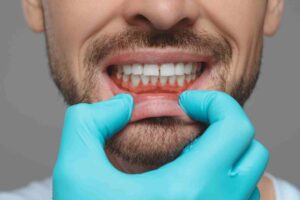
The human body is a marvel of intricate design, akin to a symphony where each part plays a vital role in the harmonic convergence of health. However, sometimes, the melody is disrupted by an unexpected note—a loose tooth in an adult. This condition, like a stubborn riddle, can stir a cascade of emotions: concern, curiosity, and the haunting specter of dental agony. Let us navigate through the intriguing layers of this phenomenon, as we explore its causes, implications, and potential resolutions.
Understanding the Anatomy of a Loose Tooth
To appreciate the predicament of a loose tooth, one must first delve into the architecture of dental structure. Teeth, masterpieces of natural engineering, are anchored within the jawbone by a network of ligaments and roots. When this intricate bond weakens, perhaps due to age or health conditions, a tooth may teeter precariously like an ancient tree that has stood firm against many storms yet is now tilted by the winds of change.
Common Causes of Looseness
The factors contributing to the unsettling looseness of a tooth can be as varied as the colors of a sunset. Below are some prevalent causes:
- Periodontal Disease: This insidious condition is a thief in the night, silently eroding the supporting structures of the teeth. Gingivitis, the precursor, manifests as swelling and bleeding gums. If left unchecked, it can escalate to periodontitis, leading to bone loss and tooth mobility.
- Trauma: Just as a pebble can disturb a tranquil pond, physical trauma can jar a tooth from its secure abode. A fall, a sports injury, or even aggressive chewing can compromise the integrity of a tooth.
- Bruxism: Known informally as teeth grinding, this nocturnal habit acts like a relentless storm battering a fragile structure. The force exerted can loosen teeth and degrade gum health over time.
- Osteoporosis: A profound illness, osteoporosis saps the bones of their density, much like rust eats away at metal. Its impact on jawbone health can jeopardize the stability of teeth.
Potential Symptoms to Observe
When embarking on the journey of diagnosing a loose tooth, it’s essential to be cognizant of accompanying symptoms that can signal deeper issues. Pay heed to the following:
- Swelling and Inflammation: The gums may show signs of redness and swelling, much like a flower wilting under neglect.
- Pain or Discomfort: Sensation can range from a mild twinge to an unbearable ache, acting as an alarm bell that something is amiss.
- Change in Bite: A loose tooth may alter the way your teeth come together, akin to a puzzle piece that no longer fits snugly—causing discomfort and potential misalignments.
- Mild Bleeding: Tender gums may lead to bleeding, an outward sign of the inner turmoil at play.
Addressing the Issue
Upon recognizing the signs and understanding the causes, one must engage in proactive measures to address a loose tooth. Here are several recommended strategies:
- Seek Professional Evaluation: A comprehensive dental examination is paramount. Dentists possess the acumen to diagnose underlying issues, much like a skilled detective unearthing clues in a mystery.
- Maintain Oral Hygiene: An excellent dental care routine is your best ally. Brush diligently, floss regularly, and use mouthwash—this triad is essential for preserving the health of your gums and teeth.
- Alter Habits: For those grappling with bruxism, it may be prudent to explore night guards. These protective devices shield the teeth from the grinding forces, allowing the body to rest without further damage.
- Nutrition: Strengthening the foundation of your teeth involves investing in your diet. A nutrient-rich diet, fortified with calcium and vitamin D, can enhance bone density and gum health.
When to Consider Removal
In some unfortunate scenarios, the dilemma of a loose tooth may culminate in the decision to extract it. This is not an easy choice—a symbolic severance from a steadfast partner. A tooth may warrant removal if:
- The tooth is beyond salvation, ravaged by disease.
- The overall health of the oral cavity is at stake, posing risks of systemic infection.
- The tooth is impacting surrounding structures negatively, akin to a corrupting force in an otherwise flourishing system.
Conclusion: A Call to Action
Having traversed the intricate landscape of loose teeth in adults, it is clear that this seemingly minor issue can unfold into a complex narrative, rife with complications and repercussions. While it might feel like a minor incident in the vast theatre of life, a loose tooth can serve as a harbinger of underlying challenges. Like an artisan caring for their craft, nurturing your dental health is imperative. By staying vigilant, seeking appropriate care, and embracing a holistic approach to oral hygiene, one can reclaim their dental symphony and allow the notes of health to resonate unimpeded. In doing so, we strengthen not only our teeth but also the foundations of our overall well-being, crafting a melody that sings of vitality and resilience.











Leave a Comment