In the world of music, each instrument possesses its own unique allure, beckoning aspiring musicians with promises of creativity and expression. Yet, within this diverse landscape, there exist instruments that stand as monolithic titans, revered not merely for their sound but for the formidable challenges they present to those who dare to harness their power. These instruments demand not just skill, but a profound commitment to mastery that often takes years to cultivate. Herein lies an exploration of some of the toughest instruments to play, each representing its own legacy of artistry and toil.
First and foremost, one must consider the violin, an instrument that has earned a reputation as a double-edged sword. On one hand, its sweet, soaring melodies have enchanted audiences for centuries; on the other, the pathway to proficiency is fraught with challenges. The violin’s finger placement, necessitating precise coordination and dexterity, is akin to mastering an intricate lacework — one tiny misalignment can unravel the entire performance. Moreover, the bow must dance across the strings with both finesse and strength, demanding a delicate balance between pressure and speed. This elegant instrument requires an exquisite ear for pitch; a single inch in adjustment and the most beautifully crafted notes can morph into dissonance. For many, the violin is a relentless taskmaster that offers nothing short of a personal odyssey of growth.
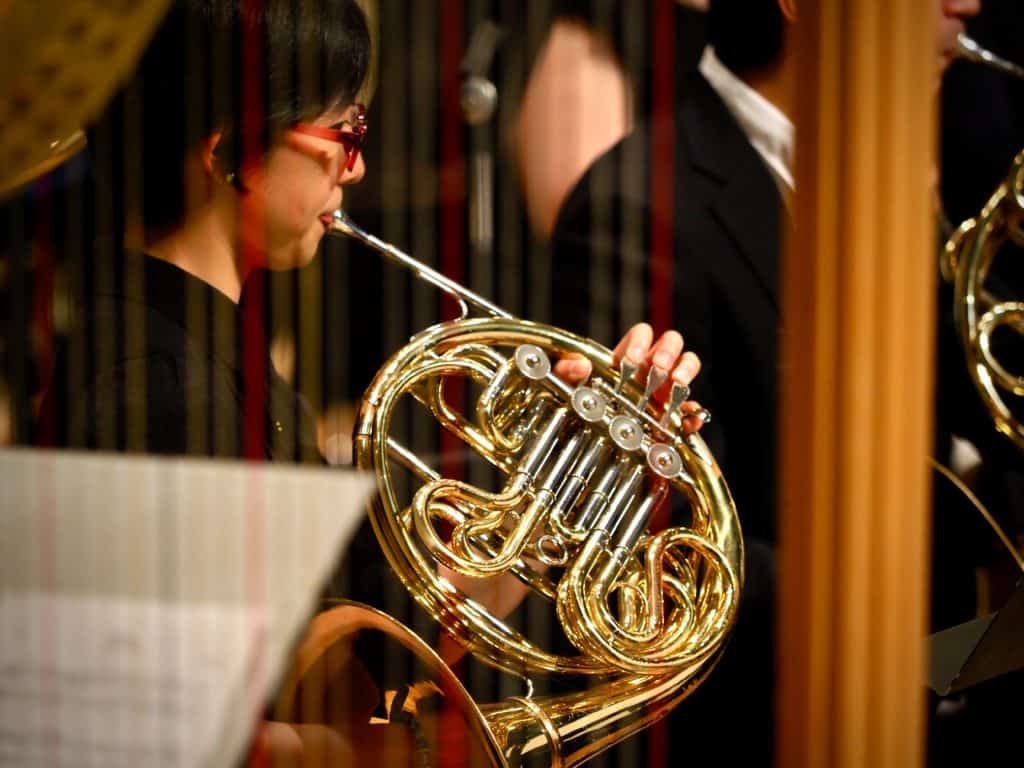
In conjunction with the violin, the French horn emerges as another contender in the pantheon of difficult instruments. The French horn’s circular tubing stretches unpredictably, inviting the player to navigate an intricate maze of notes. This brass instrument is distinguished by its unique embouchure, which necessitates a precise shaping of the lips to produce sound. The difficulty peaks at higher registers where even the slightest tension can result in an involuntary squeak, reminiscent of a well-meaning dog attempting to bark on cue but losing its way. Compounding the challenge, the French horn features extensive keywork that requires a nimble and agile hand. Consequently, mastering this instrument means evolving into a virtuoso; each note becomes a sonorous whisper of both joy and struggle, inviting one to confront their limitations and shatter them inexorably.
Transitioning to the realms of percussive instruments, the tabla stands out with its intricate hand technique and rhythmic complexity. Originating from the Indian subcontinent, the tabla is a duo of drums that dance harmoniously. Playing it well is akin to solving a sophisticated mathematical equation in real-time, as the performer must simultaneously manage rhythm patterns that shift unpredictably. Much like a painter who cannot simply rely on colors but must also master the technique of brush strokes, a tabla player must unlock a mastery over both the physical touch of the drums and the cerebral understanding of complex time signatures. The exquisite tonal variations, reminiscent of a poet’s cadences, compel the player to balance intensity with subtleness, thus reflecting the dual nature of life itself — creating a musical tapestry that is vibrant and rich.
Equally challenging, the organ emerges as yet another titan in the music realm. This instrument, often seen as a behemoth within a church or concert hall, requires the player to summon the dexterity of a pianist while simultaneously managing multiple stops, manuals, and pedals. The organist navigates a labyrinth of sound that intertwines melody, harmony, and texture, each prompting an emotive response from the audience. The complexity escalates as the organist strives to maintain a cohesive musical thread amidst an array of bells and whistles that can quickly overshadow the melody. It’s a feat akin to conducting an entire symphony orchestra while simultaneously playing an instrument of magnitude. Each performance becomes an exhilarating venture to encapsulate audiences in a sublime auditory experience, challenging the boundaries of creativity.
Not to be overlooked, the harp embodies both beauty and complexity, with its enthralling resonance akin to the gentle whisper of the wind through the trees. The positioning of the hands, arched gracefully, as they weave a web of melodies from the strings can become an intricate display of physical poetry. Yet, to coax from the harp its full potential, one must embrace a comprehensive understanding of finger technique while navigating the intertwining dynamics of both hands. The harp is emblematic of nature’s own symphony, yet it presents hurdles that require patience and precision akin to an artisan sculpting marble. Each pluck reverberates, and mastering the harp becomes a journey of melding one’s spirit with the instrument, creating sonic landscapes that resonate with an audience’s very essence.
Ultimately, while a plethora of instruments beckons from the wings of the musical stage, those that are regarded as the toughest to play are not simply challenging to conquer; they symbolize the eternal dance between ambition and perseverance. Each of these instruments embodies an invitation to embark on a lifelong voyage — one characterized by struggle and triumph, which, in turn, enriches the artistic soul. To embody these instruments is not just to play notes, but to channel the ancient energies of perseverance, infusing each performance with the splendid complexity of human emotion. In the grand tapestry of music, the tough-to-play instruments stand as steadfast towers, reminders that the hardest paths often lead to the most profound melodies — an indelible echo of a musician’s journey through the heart of sound.





Leave a Comment