The culinary world is rich with diverse flavors and textures, each cut of meat offering its own unique narrative waiting to be savored. Among the pantheon of beef cuts, tri-tip and brisket stand as titans of the grill, each boasting its distinct allure. These two pieces of beef, while residing on the same spectrum of deliciousness, yield vastly different culinary experiences. In this exploration, we shall delve into the characteristics, cooking methods, and culinary philosophies that differentiate tri-tip from brisket, illuminating their unique appeal and universal appeal.
1. Understanding the Cuts
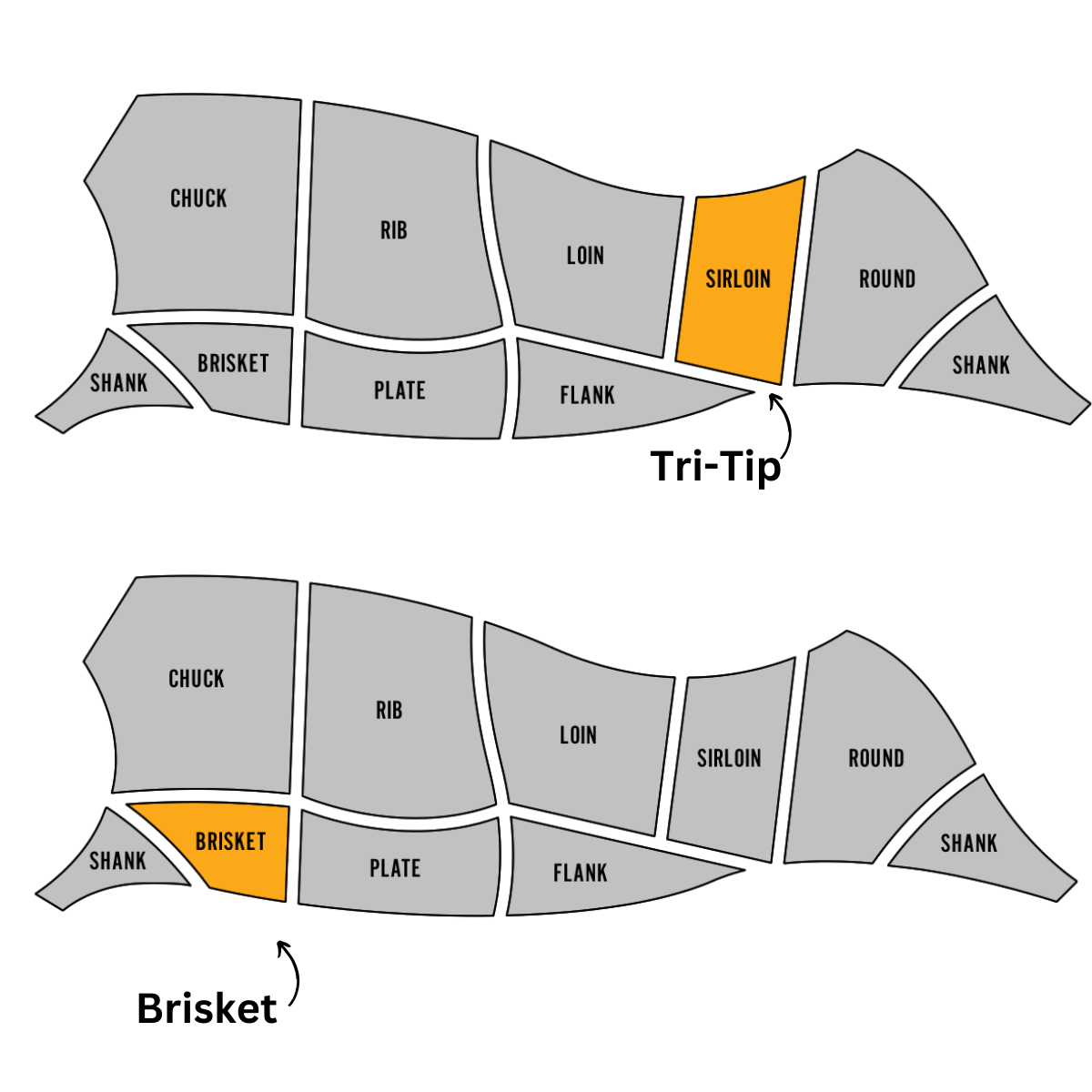
Tri-tip, often referred to as the “Santa Maria steak,” originates from the bottom sirloin of the cow. This triangular cut is not just a piece of meat; it is a narrative of robust flavor wrapped in a tender embrace. Versatile and relatively lean, tri-tip is appreciated for its meaty zest and textural delight. On the other hand, brisket is derived from the chest area and is celebrated as a champion of low and slow cooking. This majestic cut, with its pronounced marbling and connective tissue, lends itself to a transformative cooking process, where heat and time work in harmony to yield a smoky, succulent masterpiece. In this culinary face-off, tri-tip and brisket establish their identities, two distinct characters on a flavorful stage.
2. Texture and Flavor Profiles
The texture of tri-tip can be likened to a well-composed symphony: it strikes a balance between tenderness and chewiness. When marinated appropriately and seared to perfection, it resonates with a rich, beefy flavor that dances on the palate. Perfectly cooked tri-tip boasts a slightly crisp exterior that reveals a juicy interior, creating a juxtaposition of experiences with each bite. Conversely, brisket tells a story of patience and transformation. The long, slow cooking process melts the fat and collagen, rendering the brisket exquisitely tender, almost buttery in its consistency. Its flavor profile is deeper, marked by smokiness if prepared on a grill or smoker, or richness if braised in a savory sauce. The experience of savoring brisket transcends mere taste, becoming a lesson in culinary patience and appreciation.
3. Cooking Techniques
When it comes to cooking, tri-tip and brisket warrant different approaches, evoking different traditions and cultures. Tri-tip lends itself well to high-heat grilling or roasting, typically taking less time to cook compared to brisket. An ideal tri-tip is often seasoned simply with salt, pepper, and garlic, allowing the meat’s natural flavors to shine through. The grilling process—directly over flames—results in a delightful char, coaxing out the savory essence of the beef. In contrast, brisket embodies the quintessential low-and-slow technique. Whether smoked over wood embers for hours or slowly braised in a Dutch oven, brisket requires dedication. The slow, enveloping heat breaks down the tough fibers, resulting in a sublime tenderness that cannot be rushed. This cooking philosophy mirrors a greater culinary metaphor: the notion that some rewards are worth the wait.
4. Regional Preferences and Cultural Significance
Geographically, tri-tip is a beloved staple in California, particularly in the Santa Maria Valley where it was popularized. It is often accompanied by the classic sides of garlic bread and pinquito beans, embodying the spirit of outdoor barbecues and convivial gatherings. In this setting, tri-tip is more than a meal; it’s an experience—an intersection of food, tradition, and community. Meanwhile, brisket’s roots delve deep into barbecue culture, particularly in Texas, where it reigns supreme at smokehouses. Here, brisket is a symbol of pride, embodying the soulful essence of barbecue culture, where skilled pitmasters toil for hours to achieve the perfect slice. Each cut embodies the idiosyncratic flair of its region, telling stories of heritage through the language of flavor.
5. Serving Styles and Pairings
When it comes to serving, tri-tip often shines in a more informal, yet equally sophisticated setting. After slicing against the grain, it can be presented as steak sandwiches, tacos, or simply sliced as a main dish alongside roasted vegetables or a refreshing salad. Its robust flavor pairs marvelously with chimichurri sauce, highlighting the cut’s inherent zest. On the other hand, brisket commands a different presentation. Traditionally sliced into thick, hearty pieces, it can be served with classic sides such as coleslaw, beans, or potato salad. With the option of sauces ranging from spicy BBQ to tangy vinegar-based dressings, brisket allows for customization, enabling diners to tailor their experience. Here, the serving methods reflect not only culinary technique but also a sense of community and shared heritage.
6. Conclusion: A Culinary Dichotomy
In the spirited debate of tri-tip versus brisket, one can discern that both cuts possess an enchanting appeal, each offering its own narrative marked by tradition, flavor, and cooking artistry. Tri-tip captivates with its lean zest and versatility, appealing to quicker cooking methods without sacrificing satisfaction. In contrast, brisket embodies the essence of culinary companionship—patient, nurturing, and richly rewarding. Both cuts are champions in their own right, inviting enthusiasts to explore their characteristics in myriad ways. Now, the choice rests with the connoisseur: shall it be the vibrant, grilled essence of tri-tip or the slow-cooked indulgence of brisket? Either way, a savory journey awaits—one that tantalizes the senses and warms the heart.










Leave a Comment