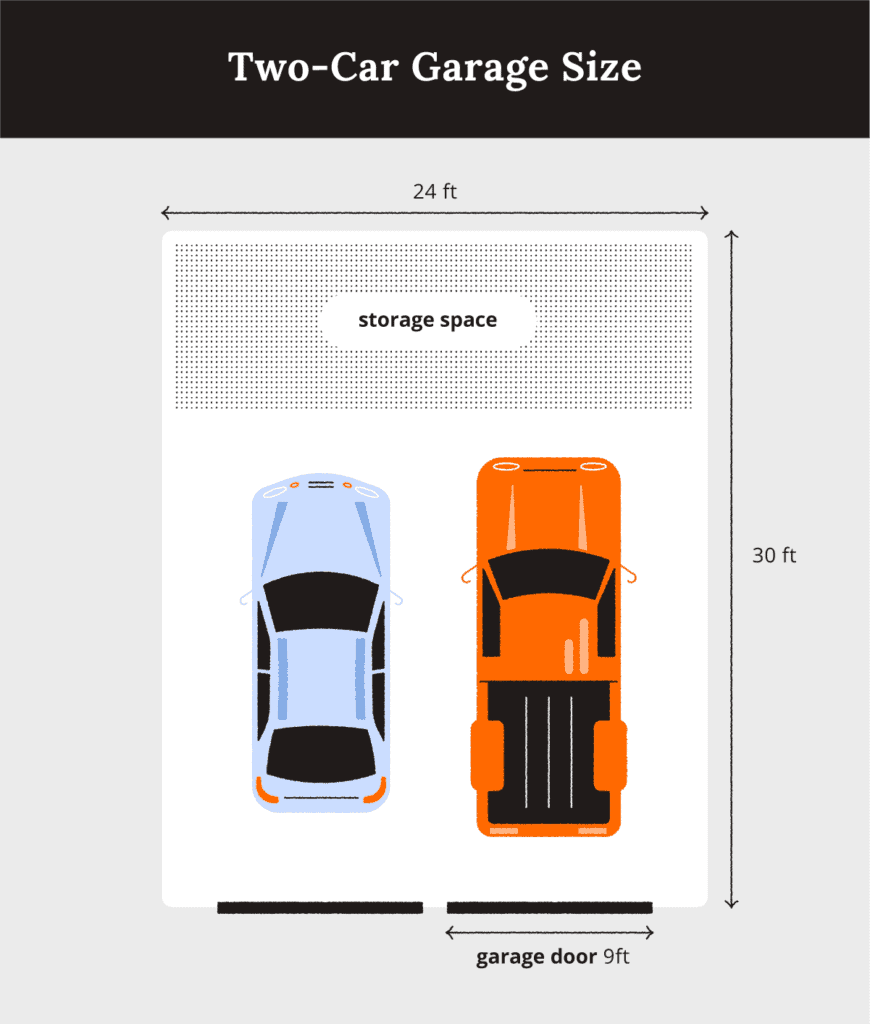
When embarking on the journey of installing or replacing a two-car garage door, an array of considerations comes into play. Beyond aesthetic appeal, the dimensions of the garage door significantly affect functionality and efficiency. This article delves into the intricacies of two-car garage door sizes, exploring various classifications, components, and considerations, providing you with a comprehensive guide to make an informed decision.
Understanding Standard Sizes
In the realm of residential garage doors, the most prevalent size for two-car garages is 16 feet wide by 7 feet tall. This standard dimension accounts for the vast majority of vehicles, including sedans, SUVs, and pickups. It offers ample space for entry and exit without requiring meticulous maneuvering. Additionally, an alternative size of 14 feet wide by 7 feet tall caters to those who may have slightly more compact two-car garages or smaller vehicles.
Another option is the 16 feet wide by 8 feet tall variant, which is particularly advantageous for those with taller vehicles or for homeowners desiring a more spacious aesthetic. This size allows for significant vertical clearance, accommodating larger vehicles or providing extra storage for overhead items.
Specialty Sizes
While standard sizes serve the majority, specialty sizes also exist to accommodate unique architectural designs or specific vehicle requirements. Homeowners with non-traditional vehicle sizes or those needing to store recreational vehicles might consider oversized garage doors. For example, a common option is 18 feet wide by 8 feet tall, ideal for larger SUVs, trucks, or even those with a boat or trailer. Such dimensions provide expansive access for larger vehicles, mitigating any potential risks of accidental damage.
It’s crucial to take into account that custom sizes can be fabricated to fit unique garage specifications, ensuring that homeowners are not limited by typical designations. Manufacturers often offer bespoke solutions, enabling the creation of garage doors tailored to individual requirements.
Types of Garage Door Materials
The material of the garage door is another critical factor that intersects with dimension considerations. Common materials include steel, aluminum, wood, and fiberglass, each bringing unique benefits concerning strength, insulation, and aesthetic appeal.
- Steel: Known for its durability and low maintenance, steel garage doors offer excellent resistance to dents and weathering. They can be insulated, providing thermal efficiency.
- Aluminum: Lightweight and resistant to rust, aluminum doors are an ideal choice for coastal areas. They can be fabricated in larger sizes compared to steel without compromising structural integrity.
- Wood: Wooden doors provide a classic aesthetic appeal, adding warmth and character to the home. However, they require regular maintenance to protect against rot and warping.
- Fiberglass: This material offers a lightweight solution that resembles wood but is more resistant to moisture and pests. Fiberglass doors can also be manufactured to mimic a variety of finishes.
Garage Door Styles
Aside from sizes and materials, the style of the garage door can greatly influence curb appeal and functionality. Popular styles for two-car garages include:
- Sectional Doors: These are made of several horizontal panels, allowing flexibility. Sectional doors roll up along tracks, providing seamless operation.
- Roll-Up Doors: Often used in commercial applications, roll-up doors are ideal for limited spaces. They operate by rolling up into a coil, requiring little room for operation.
- Slide to the Side: This style is unique as it slides parallel to the wall. It’s perfect for homes with limited ceiling space but may require additional side clearance.
- Side-Hinged Doors: These doors swing open like traditional doors and offer a rustic charm. However, they do require ample space in front of the garage to operate effectively.
Measuring Your Garage Door Opening
To select the appropriate size for a two-car garage door, accurate measurements are paramount. Begin by measuring the width and height of the garage door opening. Remember to account for additional clearance required for the tracks and any additional features such as insulation. It’s advisable to consult with a professional installer who can ensure that measurements truly reflect the necessary dimensions, minimizing potential errors.
Considerations for Installation
Installation itself should not be overlooked. While many opt for professional installation to guarantee precision, a DIY approach is feasible for those with a firm understanding of carpentry and mechanics. Opting for a high-quality door can thwart future maintenance woes.
Conclusion
The selection of a two-car garage door size is a crucial decision that extends beyond mere aesthetics. With considerations ranging from standard dimensions and materials to bespoke sizes and installation methods, taking the time to assess specific needs can lead to a worthwhile investment. By engaging with the various factors discussed, homeowners can enhance both functionality and curb appeal, ensuring their garage door complements their lifestyle while safeguarding their vehicle within.









Leave a Comment