In the gig economy, where every minute counts and flexibility reigns supreme, one might wonder: What happens if an Uber driver gets into an accident while a backup driver is behind the wheel? This predicament poses intricate questions about liability, responsibilities, and claims. Navigating this terrain can be as convoluted as the routes taken on a bustling urban street. Let’s delve into the intricacies of Uber’s backup driver contracts, accident liability, and the essential support mechanisms offered by Uber to clarify these urgent concerns.
Understanding the Role of a Backup Driver
A backup driver, in essence, is an individual designated to step in when the primary driver is unavailable. This could be due to various reasons—ranging from driver fatigue to a personal emergency. In a platform like Uber, having backup drivers can optimize efficiency and ensure riders receive timely service. However, the terms and conditions guiding this arrangement can create complexities when it comes to liability and accountability.
Potential Challenges of Accident Liability
Imagine a scenario where a backup driver, while operating under the Uber banner, is involved in a collision. What ramifications follow? The intricacies of liability are frequently intertwined with legal definitions of employment, negligence, and contractual obligations. Both the primary driver and the backup driver may find their responsibilities scrutinized, creating a tangled web of accountability.
1. Understanding Primary vs. Secondary Liability
The first step in untangling this web is distinguishing between primary and secondary liability. In the eyes of the law, primary liability typically lies with the individual driving the vehicle at the time of the accident—the backup driver, in this case. However, there linger questions regarding the driver’s status: Are they considered an employee or an independent contractor? This distinction can dramatically alter the legal landscape.
2. Uber’s Insurance Policy: The Safety Net
For every Uber driver, a fundamental aspect of peace of mind comes from the company’s insurance policy. This coverage is designed to protect drivers and riders alike in the event of an accident. However, the nuances of this policy become particularly intricate when a backup driver is involved. Typically, Uber provides a liability insurance coverage amount that varies based on the stage of the trip—whether the app is on, a rider is in the vehicle, or the trip has concluded. Understanding the limitations of this coverage is paramount, especially for drivers since certain stipulations may exist for those operating as stand-ins.
3. Potential Exemptions and Coverage Limits
Furthermore, it’s essential to note that Uber’s insurance policy may not extend to all incidents involving backup drivers. Certain scenarios may fall under exclusions, such as driving under the influence, reckless behavior, or operating outside the platform’s parameters. Backups must meticulously review their contract and understand the implications on coverage to avoid unexpected denouements in the aftermath of an accident.
Analyzing the Backup Driver Contract
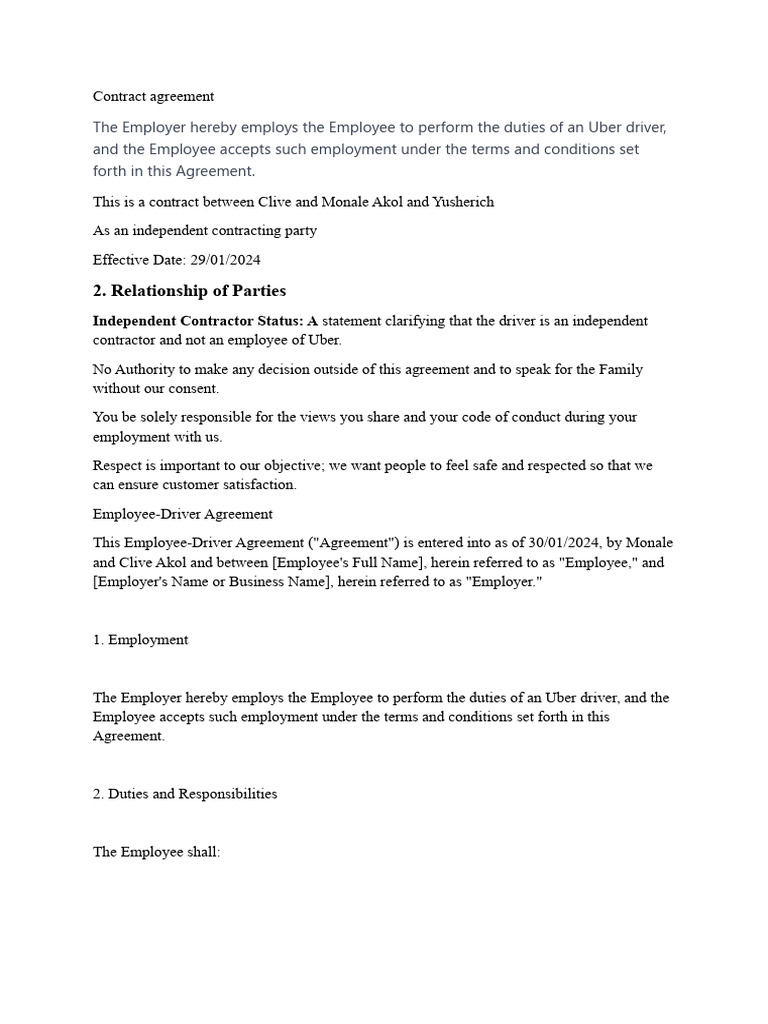
To fully comprehend the liability landscape, it is indispensable to scrutinize the terms of the backup driver contract itself. This document outlines the expectations, duties, and liabilities incumbent upon the backup driver. Several critical elements warrant particular attention:
1. Scope of Work
The contract should articulate the specific responsibilities and limitations of the backup driver’s role. Are they solely there to step in for emergencies, or do they have the authority to accept rides independently? The delineation of limits is essential for mitigating potential disputes over liability.
2. Liability Clauses
Perhaps the most crucial aspect is the liability clauses embedded within the contract. These stipulations will dictate who bears financial responsibility in the event of an accident. It is prudent for backup drivers to seek legal counsel to ensure they fully comprehend their exposure to liability and the protections (if any) that the contract affords them.
3. Indemnification and Legal Protections
Many contracts also contain indemnification clauses that may protect one party from legal repercussions caused by the other. Understanding these clauses can illuminate pathways for recourse and security, offering essential guidance for navigating a post-accident scenario.
Leveraging Uber’s Help for Accident Resolution
In the unfortunate event of an accident, Uber provides resources and support through a dedicated help center. Here, drivers—both primary and backup—can report incidents, access insurance information, and submit claims. This centralized support system streamlines the process following an accident, creating a smoother pathway for addressing concerns and claims. Still, backup drivers need to be proactive and well-informed, navigating the claims submission process meticulously to ensure all necessary documentation is provided.
The Road Ahead
Ultimately, the landscape of backup driver accident liability within Uber is layered and complex. As the gig economy continues to evolve, so too do the contractual obligations and legal frameworks surrounding it. For drivers encumbered by the potential ramifications of an accident, understanding the interplay of primary and secondary liability, comprehending insurance policies, and negotiating backup driver contracts becomes indispensable. By taking a strategic and informed approach, drivers can safeguard their interests, ensuring both legal and financial protections as they navigate the open roads of ride-sharing.
So, the next time you hop into an Uber, consider this: What if the meal delivery tool is not just about reaching your destination but also about understanding the logistics that keep the wheels turning behind the scenes? As challenging as these aspects may be, they form the very foundation of a secure and reliable ride-sharing experience.










Leave a Comment