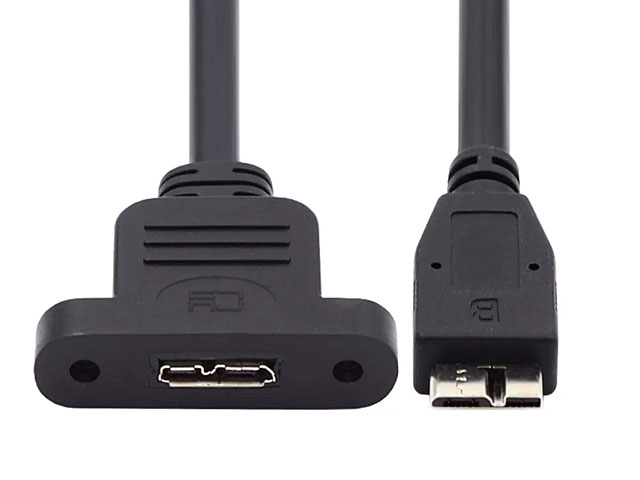
In the world of technology, connectivity is paramount. The advent of USB (Universal Serial Bus) connections revolutionized how we interface with devices, providing a universal standard that facilitates data transfer and power supply with remarkable efficiency. Among the myriad of USB formats, the USB 3.0 Micro B to USB stands out as a point of fascination for both tech enthusiasts and everyday users alike. Not only does it enable quick connections, but its design also encapsulates a deeper narrative about the evolution of our digital lives.
Understanding USB 3.0 Micro B to USB
The USB 3.0 Micro B to USB cable is a specific type of connector that is often used in external hard drives, smartphones, and tablets. It features a Micro B connector on one end and a standard USB Type-A connector on the other. The significance of USB 3.0 lies within its data transfer rates, reaching up to 5 Gbps—an impressive improvement over its predecessors. This advancement allows for swift swapping of large files, making it an essential tool for professionals and casual users alike.
The Layout and Design
At first glance, the USB 3.0 Micro B connector may appear similar to its predecessors, yet a closer inspection reveals nuanced modifications. The Micro B connector, in particular, has become a staple for many portable devices due to its compact size. These connectors are designed for durability, ensuring that repeated insertions do not lead to wear and tear. The engineering behind these connectors is fascinating, as they combine form with function—enabling seamless connectivity while accommodating the realities of mobile life.
Why Use USB 3.0 Micro B to USB?
When contemplating the rationale behind selecting a USB 3.0 Micro B to USB cable, several factors come into play:
- Compatibility: This cable type is compatible with a variety of devices, including cameras, external hard drives, and various Android smartphones. This versatility makes it an essential accessory for any tech-savvy individual.
- Speed: With USB 3.0 technology, users benefit from faster data transfer rates, which makes moving files between devices more efficient. The enhancement in data speed can save precious time, especially for those handling large data sets.
- Power Supply: The USB 3.0 Micro B to USB cable can also deliver power to devices, enabling not only data transfer but also charging. This dual functionality is especially useful for external hard drives that require an adequate power source for operation.
Navigating the Market
With the growing demand for USB 3.0 Micro B to USB cables, the marketplace has become saturated with options. It is crucial to discern quality from mediocrity. Here are some tips for choosing the right cable:
- Certification: Opt for cables that carry certifications, ensuring that they meet industry standards for performance and safety.
- Cable Length: Depending on your needs, consider the length of the cable. A longer cable might provide flexibility in use but could potentially lead to signal degradation over distances.
- Materials: Assess the build quality of the cable. Look for connectors made of durable materials that can withstand wear and tear, as well as shielding to prevent interference.
Common Issues and Troubleshooting
Despite their advantages, users may encounter challenges with USB 3.0 Micro B to USB cables. Some common issues include:
- Incompatibility: Ensure that the devices you are connecting support USB 3.0. Connecting a USB 3.0 cable to a USB 2.0 port will limit data transfer speeds.
- Loose Connection: A loose connection can lead to intermittent connectivity issues. Regularly inspecting the connectors for wear and ensuring a snug fit can mitigate this problem.
- Power Issues: If a device does not charge or show power, verify that the cable is functioning correctly; testing with other devices can help troubleshoot.
The Broader Implications
Digging deeper into the phenomenon of USB 3.0 Micro B to USB reveals reflections of a broader narrative in technology. This cable symbolizes the immense push towards speed and efficiency in our digital landscape. In an age where information is currency, the ability to swiftly transfer data provides a competitive edge, both personally and professionally.
The evolution of the USB standard mirrors humanity’s relentless quest for better connectivity—be it through data transfer or technological interfacing. As devices become increasingly integrated into our lives, the significance of robust and efficient connection methods cannot be overstated.
Final Thoughts
The USB 3.0 Micro B to USB cable serves as a critical link in the chain of modern connectivity. Its fascinating design, compatibility, and enhanced transfer speeds embody the dual nature of technology: as a facilitator of progress and as a reflection of our insatiable desire for efficiency. By understanding both its practical applications and its implications within the larger technological framework, one can appreciate how such a simple accessory plays a part in our digital evolution, driving us ever forward in an increasingly interconnected world.







Leave a Comment