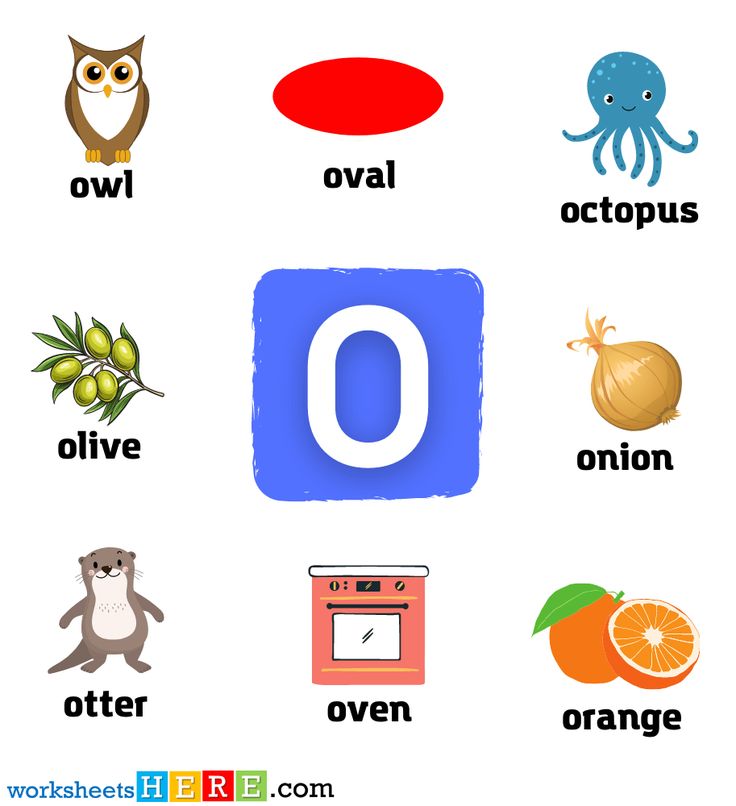
Verbs are the backbone of any language, serving as the engines that drive sentences and narratives. In English, the richness of verbiage extends into various categories, moods, and nuances. Among this plethora, verbs that contain the letter “O” possess a unique vibrancy and utility in communication. This article delves into the diverse array of verbs featuring the letter “O,” exploring their meanings, contextual applications, and significance in enhancing verbal expression.
To begin, let’s categorize these verbs into several groups based on their usage and characteristics. From everyday action verbs to more specialized ones, the letters encasing the dynamic “O” present a fascinating tableau of linguistic possibilities.
1. Common Action Verbs
Action verbs form the foundation of our daily communication. These verbs exhibit immediate dynamism and are indispensable in crafting sentences that illustrate motion or activity.
- Go – A quintessential verb, “go” denotes movement from one location to another, embodying the essence of change. Its versatility allows for various tenses, such as “going” and “went.”
- Throw – This verb encapsulates the act of propelling an object through the air. It is often associated with sports and games, where precision and power merge.
- Frolic – Although less common, this verb evokes a sense of playful movement, typically associated with animals or children enjoying lively activities.
2. Stative Verbs
Stative verbs differ from action verbs in that they describe states or conditions rather than activities. They are foundational in articulating thoughts, perceptions, and emotional states.
- Know – This verb articulates awareness or understanding, making it a cornerstone of intellectual exchange. It allows for discussions around knowledge and learning.
- Owe – The act of owing denotes a sense of responsibility, obligation, or gratitude, enriching conversations about finance, relationships, or debts.
- Propose – To propose signifies the act of suggesting an idea, plan, or course of action, often in a formal context, such as business or marriage.
3. Transitive and Intransitive Verbs
Transitive verbs require direct objects to complete their meaning, while intransitive verbs do not. Recognizing the distinction is essential for constructing grammatically correct sentences.
- Compare – As a transitive verb, “compare” involves evaluating multiple entities to identify similarities or differences, providing a critical lens in research and analysis.
- Echo – An intransitive verb, “echo” signifies the repetition of sound, often used in both literal and metaphorical contexts, enhancing artistic expression.
4. Irregular Verbs
Irregular verbs deviate from standard conjugation patterns, often presenting challenges for learners. However, they also add depth and character to the language.
- Behold – As an irregular verb, “behold” offers a poetic overtone, meaning to see or observe. Its use can elevate literary descriptions or dialogue.
- Forego – This verb conveys the act of deciding to do without or to relinquish something, encapsulating themes of sacrifice and choice.
5. Phrasal Verbs Containing “O”
Phrasal verbs combine a verb with one or more particles (usually prepositions or adverbs) to create a new meaning. These constructions are prevalent in everyday speech and writing.
- Look up – To seek information or clarification, often through a reference source. This phrasal verb has become particularly significant in the digital age, where quick access to knowledge is paramount.
- Turn over – This can mean to rotate something or to transfer control. The application is particularly relevant in business and finance.
- Come over – Denoting movement towards the speaker, this phrase is common in invitations and casual gatherings.
6. Exploring Less Common Verbs
Diving into the less frequently used verbs enriches the lexicon and opens avenues for creative expression. Such verbs often evoke specific imagery or actions.
- Excoriate – This vivid verb means to criticize severely, often used in literary critiques or discussions around ethics.
- Proliferate – To proliferate indicates rapid increase or spread, frequently employed in scientific and sociological discourse.
In conclusion, verbs adorned with the letter “O” display an exquisite variety, spanning customary action and abstract states. Their applications are diverse, enhancing both spoken discourse and written narratives. From the fundamental “go” to the intricate “proliferate,” these verbs encapsulate essential human experiences, emotions, and actions. By mastering the use of these verbs, speakers and writers alike can amplify their communication, engaging their audience with precision and flair. Embracing the breadth of language not only enriches expression but allows for a deeper understanding of our interactions in the world.











Leave a Comment