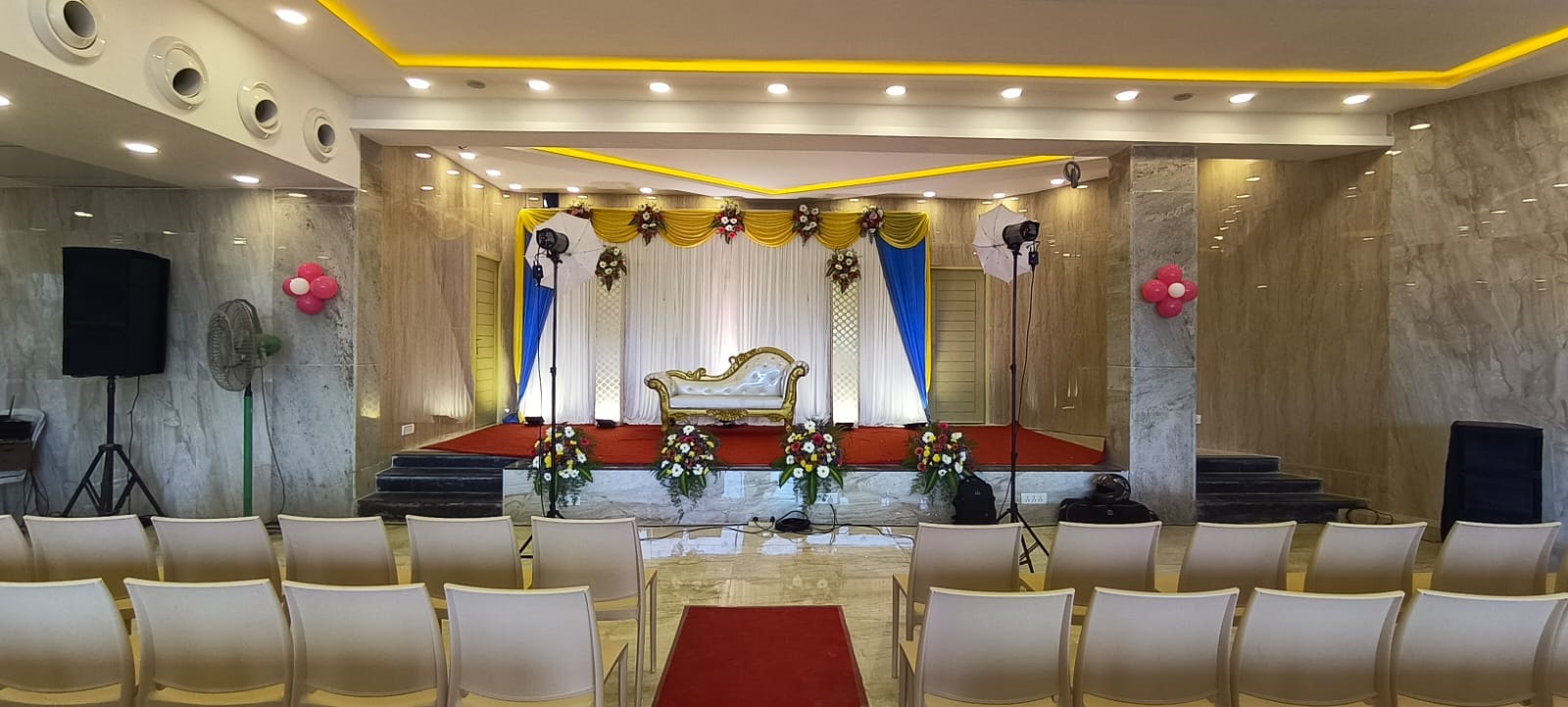
Stepping into the bustling atmosphere of a banquet hall, one is often met with a harmonious blend of excitement and anticipation. The elegance of the space is palpable, yet behind its aesthetic allure lies a significant amount of work and coordination, particularly in setting up the hall for events. Volunteering to assist in this intricate process not only offers a chance to contribute but also speaks to a deeper fascination with communal efforts and shared experiences. These guidelines delve into the multifaceted dimensions of volunteering for banquet hall setup, shedding light on why this task can be both rewarding and resonant.
1. Understanding the Role of Volunteers
Before diving into the intricacies of setup, it is crucial to appreciate the significance of volunteers. Volunteers play a pivotal role in creating a welcoming atmosphere, transforming a bare hall into an enchanting space suited for celebrations. The act of volunteering fosters a sense of community, uniting individuals with a common purpose and enabling them to contribute meaningfully to an event.
2. Familiarizing with the Venue
A successful setup begins with an in-depth understanding of the venue. Each banquet hall boasts its unique layout, capacity, and features. Spend time familiarizing yourself with the specific hall you’ll be working in. Pay attention to the placement of windows, entrances, and exits, as well as any built-in amenities like bars or kitchens. This knowledge will guide you in making informed decisions about the layout and design for the event.
3. Organizing a Preliminary Meeting
Before the actual day of the setup, it is beneficial to organize a preliminary meeting with fellow volunteers and event coordinators. This allows for the establishment of a clear plan of action, clarifying roles and responsibilities, and ensuring everyone understands the overarching vision for the event. Discuss the motif, color palettes, and any specific requests from the client that need to be incorporated into the setup.
4. Gathering the Necessary Supplies
Every successful setup requires an array of supplies. From tables and chairs to linens, decor, and lighting, assembling a comprehensive checklist is imperative. Divide responsibilities among volunteers for transport and organization of these supplies. Having designated storage areas for items can streamline the process and minimize chaos.
5. Layout Planning and Design
With a clear plan in place, the next step involves meticulous layout planning. Determine the best arrangement for tables and seating, ensuring adequate space for guests to move comfortably. Consider the purpose of the event—formal dinners often favor round tables for conversation, while larger gatherings may benefit from a banquet-style arrangement. Incorporate design elements like centerpieces and lighting to create an inviting ambience that resonates with the event’s theme.
6. Setting Up the Tables and Chairs
The physical setup of tables and chairs marks a significant milestone in the preparation process. This task requires both strength and precision, ensuring that each table is level and correctly spaced. Take into account accessibility for all guests, especially individuals with mobility challenges. Strive for symmetry and a visually appealing arrangement that contributes to the overall aesthetic.
7. Incorporating Decor
Once the foundation of the hall is set, the magic happens through decor. This is where creativity flourishes. From floral arrangements to table settings, each element should harmonize with the event’s theme. Encourage volunteer input during this phase, as diverse perspectives can yield extraordinary combinations. Ensure that decor is securely fixed in place to withstand the event’s hustle and bustle.
8. Implementing Technical Aspects
In today’s technologically advanced era, integrating audio-visual elements into the setup is paramount. Assess the AV requirements of the event, such as microphones, projectors, and sound systems. Volunteers with technical expertise can be invaluable in ensuring these components are set up correctly, testing equipment, and resolving any potential issues prior to the event.
9. Final Walkthrough
As the setup reaches completion, conducting a final walkthrough becomes essential. Inspect each element of the setup against the initial plan and make any necessary adjustments. This moment serves as an opportunity to appreciate the effort that has gone into transforming the space and ensures that all details are accounted for, preventing any last-minute surprises.
10. Embracing the Experience
Volunteering to set up a banquet hall transcends mere physical labor; it nourishes connections and fosters a sense of belonging. Engage with fellow volunteers and share insights, challenges, and laughter throughout the process. These interactions can lead to camaraderie and friendships that extend beyond the event itself, enriching the overall volunteering experience.
Conclusion
Volunteering to set up a banquet hall invites you into a world where creativity, collaboration, and community spirit converge. It’s more than just an opportunity to lend a hand; it’s a chance to immerse yourself in the art of celebration. As the final touches unfold, the satisfaction derived from your efforts is profound, illuminating the often-overlooked labor that transforms a plain venue into a magnificent setting for cherished moments. Ultimately, such experiences remind us of our collective capacity to create beauty, underscoring the significance of volunteering in enriching both individual lives and the community at large.









Leave a Comment