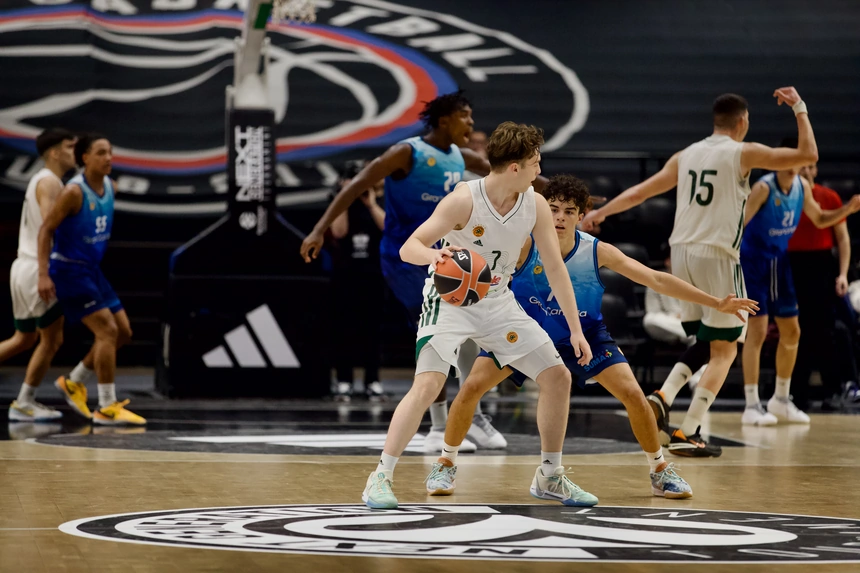
Basketball is often likened to a grand symphony, with each player contributing a distinctive note. At the center of this orchestral arrangement is the point guard, the conductor who wields an essential baton, guiding team dynamics and tempo. A point guard is not merely a player; they embody the essence of basketball through their multifaceted responsibilities. In the following exploration, we will delve into the pivotal duties and skillsets that a point guard should master to elevate both their game and their team’s performance.
1. Command the Offense
Like a maestro leading a complex composition, a point guard must possess an acute understanding of offensive strategies. They are the architects who design plays on the fly, discerning when to facilitate movement and when to seize an opportunity. This requires an impressive grasp of the game’s intricacies, including spacing, ball movement, and timing. Observing defensive setups allows the point guard to instruct teammates on their roles, coordinating everyone’s movements into a seamless performance.
2. Dribble with Intention
The dribble is the lifeblood of a point guard’s gameplay, akin to the pulse that keeps the rhythm alive and flowing. Mastery of dribbling techniques not only showcases a player’s individual skill but also serves to bewilder defenders. This involves using a plethora of dribble moves — from crossovers to hesitation dribbles — to create space or drive toward the basket. However, it is not the flashiness of the move that counts, but rather the intention behind it. Each dribble must serve a greater purpose within the orchestration of the play.
3. Elevate Teammates through Passing
Consider the point guard as the hub connecting the spokes of the team wheel. Their passing ability must be both acute and versatile, pivoting from pinpoint accuracy on simple plays to creative flair in complex scenarios. The great point guards possess an uncanny ability to anticipate teammates’ movements, executing no-look passes and alley-oops that defy logic. The ultimate goal is to find the most advantageous positioning for teammates, engendering an environment where collaboration flourishes.
4. Develop Defensive Acumen
While the point guard’s offensive prowess often takes center stage, their defensive contributions are equally indispensable. Stealing the ball can be likened to an artist’s elegant brushstroke — subtle but impactful. A point guard must hone their ability to read opposing offensive sets, anticipating passes and providing pressure to disrupt the flow of the game. Agile footwork and tenacious grit culminate in a defensive mentality that inspires the team to rally behind them.
5. Cultivate Court Vision
In the realm of basketball, court vision transcends mere sight; it is an innate sixth sense that envisions plays before they unfold. Like a chess master anticipating several moves ahead, an effective point guard surveys the entire court, identifying both opportunities and threats. This ability to see the game in its entirety allows for intelligent decision-making, ensuring that every pass, dribble, or feint contributes positively to the tempo of the match.
6. Master the Art of Communication
A point guard is the vocal lynchpin of a team, akin to a lighthouse guiding ships through foggy waters. Clear, assertive communication fosters unity and clarity, driving the team towards shared objectives. Whether calling out plays, directing traffic, or providing on-court encouragement, the point guard’s voice resonates with the team, instilling confidence and coherence amidst the chaos of competition.
7. Assume Leadership Responsibilities
Playing the role of a point guard also entails embracing leadership qualities that inspire trust and respect among teammates. This position requires a player to be an exemplary model of work ethic, accountability, and resilience. A true leader knows when to uplift a struggling teammate and when to challenge them to elevate their game. The point guard’s demeanor often sets the tone for the entire squad, demonstrating that perseverance and camaraderie are paramount to success.
8. Exhibit Composure Under Pressure
In the crucible of a tightly contested matchup, a point guard must remain unfazed, reminiscent of a seasoned sailor navigating a tempestuous sea. The ability to maintain composure allows them to execute plays meticulously, even when tension reaches a crescendo. This quality not only influences their performance but also reassures teammates, ensuring that the collective spirit remains indomitable.
9. Adaptability is Crucial
The fluid nature of basketball demands that a point guard be a chameleon on the court, capable of adjusting strategies based on situational dynamics. Whether encountering unexpected defensive schemes or injuries to teammates, the ability to pivot and adapt is crucial. This versatility can transform challenges into opportunities, ultimately enabling the team to leverage shifts in momentum and seize the advantage.
Conclusion
As the maestro of the basketball court, the point guard’s responsibilities extend far beyond scoring points. Their orchestration of plays, enhancement of teamwork, and unwavering leadership personify the spirit of the game. Mastering the diverse skills outlined above will not only amplify their personal performance but will also uplift the collective potential of the entire team. In the grand symphony of basketball, the point guard works tirelessly to compose a masterpiece, ensuring that every note harmonizes to create an unforgettable experience.










Leave a Comment