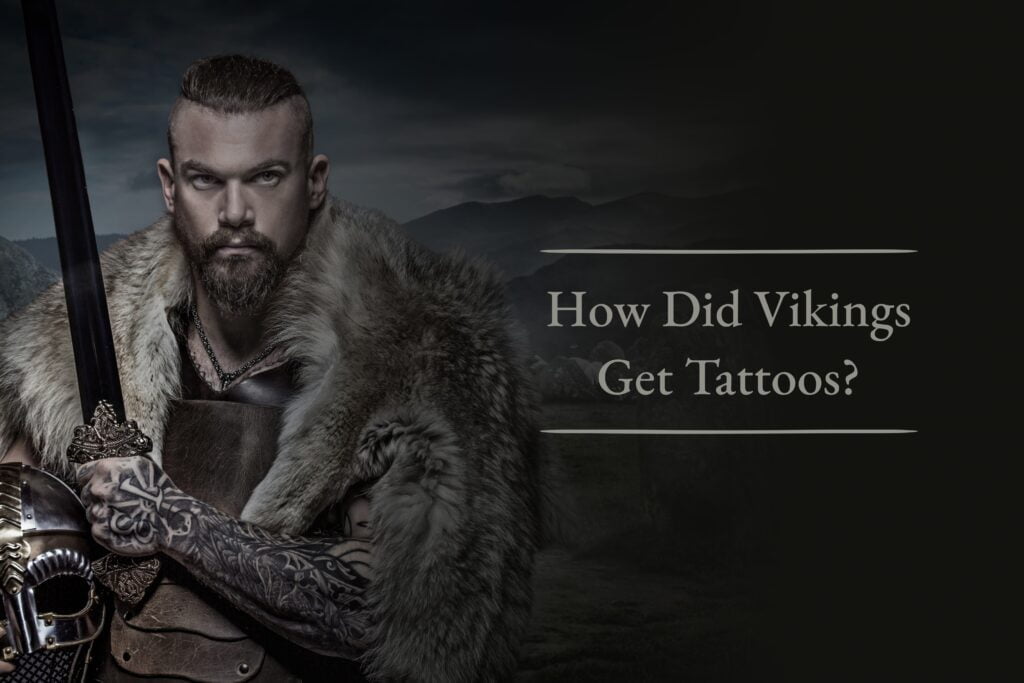
Throughout history, the Vikings have been enveloped in an air of enigma and adventure, their exploits continuing to ignite curiosity. One of the many aspects that captures the imagination is the idea of Viking tattoos. Did the fierce Norse warriors adorn their bodies with intricate designs, and if so, what age did they start embracing this form of body art? Understanding this aspect of Viking culture offers a tantalizing glimpse into their societal norms, personal identities, and even spiritual beliefs.
To explore the connection between age and tattooing within Viking communities, we must first understand the cultural backdrop. The Vikings, hailing from the Scandinavian regions around 793 to 1066 AD, were known not only as marauders but also as traders, settlers, and craftsmen. Their lifestyle was steeped in mythology and spirituality, which may have influenced their approach to body art. Tattooing could have served not only as personal decoration but as a medium to convey status, bravery, or allegiance to their gods.
One of the intrinsic characteristics of Viking society was its emphasis on bravery and strength. Tattoos may have been seen as symbols of courage, marking an individual as a warrior within the community. The beginnings of tattooing in Viking culture likely commenced at a young age, aligning with when boys were typically introduced to the ways of warriors. Traditionally, boys began training for battle around the age of seven, stepping into the shoes of their fathers and forebears. Thus, one could speculate that tattoos might appear around this formative age, intertwining initiation rites with the adornment of one’s skin.
The precise details surrounding the practices of tattooing in Viking culture remain somewhat ambiguous due to limited historical records. However, artistic depictions from the era showcase Scandinavian men and women bearing designs that could be construed as tattoos. These markings might have symbolized various life stages, linking the individual to the larger narrative of their tribe. Age played a crucial role, as tattoos could signify a transition from childhood to adulthood, marking the individual’s readiness to face life’s challenges.
In Viking society, rites of passage were significant, often accompanied by moments of tattooing. A young man reaching the age of 15 or 16, during which he would become a warrior, might undergo a tattooing ceremony signifying his transition into adulthood. This could include designs of animals, weapons, or runes that conveyed personal meaning, guiding him into his new identity. Tattoos could serve as talismans, supposedly imbuing the bearer with protection or favor from the gods.
Women in Viking culture were not excluded from the practice of tattooing, although their designs might differ in symbolism and meaning. Women often wore tattoos that spoke to fertility, beauty, or domestic prowess. The age at which Viking girls might begin getting tattoos could vary, possibly starting around the age of 12, coinciding with the onset of menstruation and the societal recognition of preparing for womanhood. This also underscores the multifaceted nature of tattoos; more than mere decoration, they held profound symbolic weight rooted in one’s life stage.
As you delve deeper into the significance of age in Viking tattooing practices, you unearth a chronology of identity formation. Tattoos could symbolize a rite of passage, a lifecycle milestone, and even one’s social status within the community. In a culture where the spoken word held great potency, tattooing could serve to articulate an individual’s personal history, giving voice to their victories and tribulations without uttering a single word. The interplay of age, identity, and tattooing speaks volumes about the communal fabric of Viking society, weaving a tapestry that is as vibrant as it is complex.
The art of tattooing in Viking culture, while often cloaked in the mystery of time, invites you to reevaluate preconceived notions about the era. Tattoos were not merely aesthetic choices; they were branded declarations of self and fate. The age at which one might choose to etch their story onto the skin was fraught with significance, symbolizing a tapestry of experiences, beliefs, and aspirations. As historical narratives change over time, so too does the understanding of why these warriors of the North inked their bodies.
In conclusion, the relationship between age and tattooing among the Vikings offers a fascinating lens through which to view their rich cultural tapestry. From initiation rituals marking the transition from childhood to adulthood, to the deeply personal meanings conveyed through artistic designs, it becomes clear that tattoos were integral to Viking identities. Far from being mere decorative embellishments, they represented milestones and personal narratives, stitching together the intricacies of life in a society renowned for its valor and strength. The inquiry invites you to ponder: What stories did those tattoos hold, and how did they shape the lives of those who wore them? To reflect on such questions is to venture into the heart of the Viking experience, a journey that transcends time and continues to resonate.










Leave a Comment