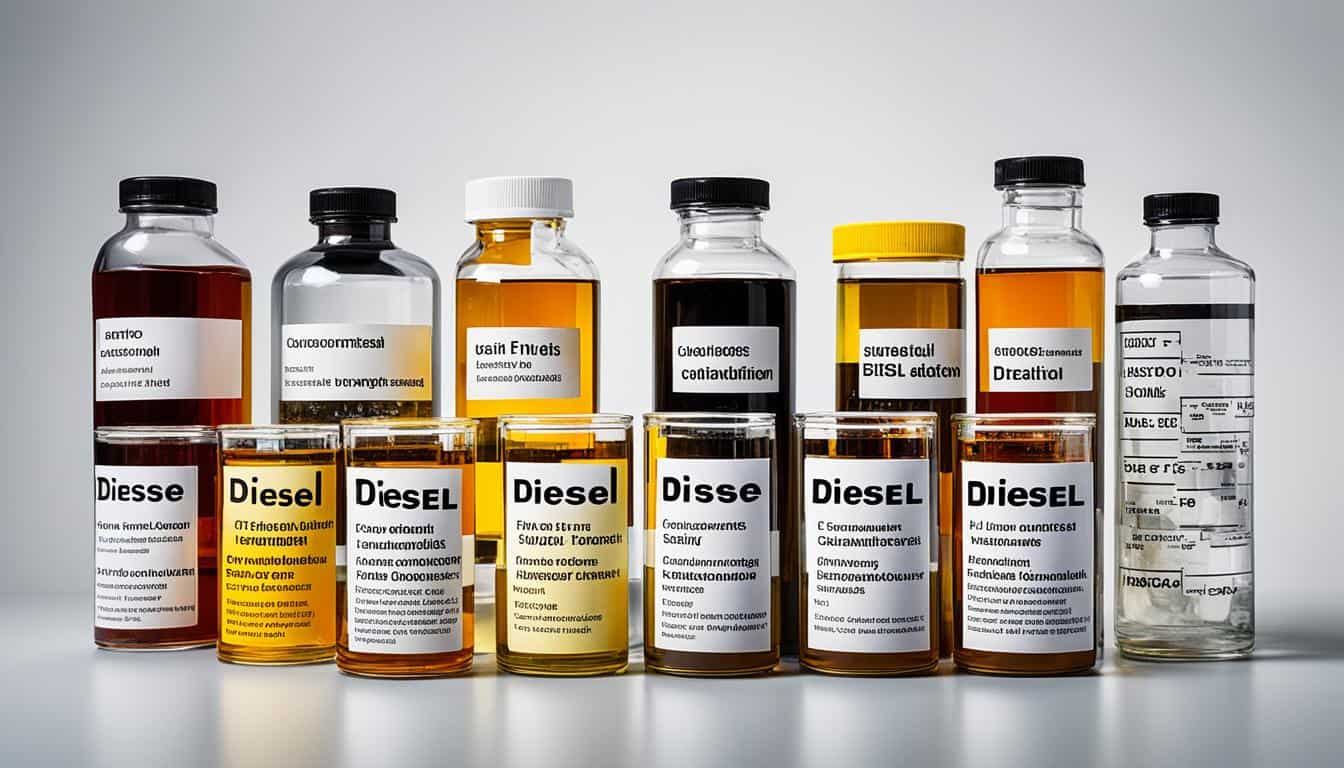
When most people think about diesel fuel, they rarely consider its appearance beyond functionality. However, the colour of diesel fuel can be a perplexing enigma. Have you ever wondered, “What colour is diesel fuel?” Is it the standard amber hue we might expect from a petroleum product, or does it resemble something more exotic? This playful inquiry leads us into the depths of fuel science and environmental considerations, revealing layers of complexity that extend beyond mere aesthetics.
Let’s embark on a journey to unravel this multi-faceted topic. The colour of diesel fuel is not set in stone. It varies due to several factors including its composition, the presence of additives, and regional refining processes. Understanding these differences can pose a fun challenge; after all, when was the last time a fuel’s colour sparked curiosity and exploration?
To fully appreciate the richness of diesel fuel’s colour spectrum, it’s essential to delve into its fundamental nature. Generally, the purest form of diesel is a transparent to pale yellow liquid. As we navigate through various grades of diesel, one will discover that it can often appear more like a light caramel or amber, especially when light conditions shift. This initial colour is mainly due to the hydrocarbons present in the fuel, which have differing affinities for light.
Factors that influence the colour of diesel fuel can be categorized broadly into two groups: intrinsic properties and external influences.
Intrinsic Properties:
1. **Hydrocarbon Chains**: Diesel is composed of a myriad of hydrocarbons, primarily alkanes, cycloalkanes, and aromatics. The specific blend of these chains significantly influences the overall colour. Longer chains often provide a deeper hue, whereas shorter ones might reflect light differently, resulting in varying visual perceptions.
2. **Density**: The density of diesel fuel can also impact its visual characteristics. Heavier diesel fuels are often darker due to a higher proportion of complex hydrocarbons. Conversely, lighter formulations may appear more translucent.
3. **Viscosity**: To the untrained eye, viscosity may seem unrelated to colour. However, thicker fuels can exhibit darker shades because of their molecular structure, which absorbs more light.
External Influences:
1. **Additives**: The modern fuel market also introduces numerous additives designed to enhance performance, reduce emissions, and prevent engine wear. These additives can substantially alter the fuel’s colour. For instance, dye is frequently added to off-road diesel to comply with regulations distinguishing it from on-road diesel; this often results in a vivid yellow or red hue.
2. **Contamination**: Another crucial factor to consider is contamination. If diesel fuel becomes contaminated with dirt, moisture, or microbial growth, it can take on a darker and murkier appearance. When analysing diesel’s colour in a practical setting, such as at refuelling stations, it’s vital to inspect the fuel for these signs of degradation.
3. **Storage and Age**: Over time, diesel fuel can degrade, particularly if it’s stored in improper conditions. The colour can shift to shades of brown or even black due to oxidation and the growth of bacteria. Knowing how long a fuel has been stored is essential for both safety and performance.
Now that we have a clear understanding of what can affect the colour of diesel fuel, let’s address one of the most frequently pondered aspects: does the colour of diesel have any bearing on its quality? The short answer is no. While certain colours can suggest specific attributes, the true effectiveness and safety of diesel fuel depend far more on its chemical composition and how well it meets regulatory standards.
In fact, challenging the colour assumption can be a novel way to enhance your knowledge about fuel. Are you an expert in your field? If you have knowledge of diesel formulations that can better complement specific machinery or equipment, then you might be ahead of the curve! Understanding that colour doesn’t signify quality can help fuel buyers make better choices based on performance metrics rather than mere appearances.
As we reach the conclusion of our enthralling exploration of diesel fuel’s colour, it’s imperative to reflect on the wider implications of this information. Discerning fuel quality based on colour alone has potential pitfalls. It necessitates a more profound understanding of fuel properties, their complexities, and the science behind the chemistry. Moreover, as environmental awareness grows, distinguishing between different diesel varieties not only affects machinery performance but plays a crucial role in sustainability. Whether it’s bio-diesel, ultra-low sulfur diesel, or the latest formulations designed to lower emissions, being knowledgeable empowers users to make informed decisions.
So, next time you encounter a fuel tank or stand at the gas station, ponder the playful question of diesel fuel’s colour. Remember that this innocent inquiry opens the door to a world of knowledge that transcends physical appearances. As we delve into this dialogue about fuel, we not only decipher its colours but also appreciate the intricate engineering that fuels our world.











Leave a Comment