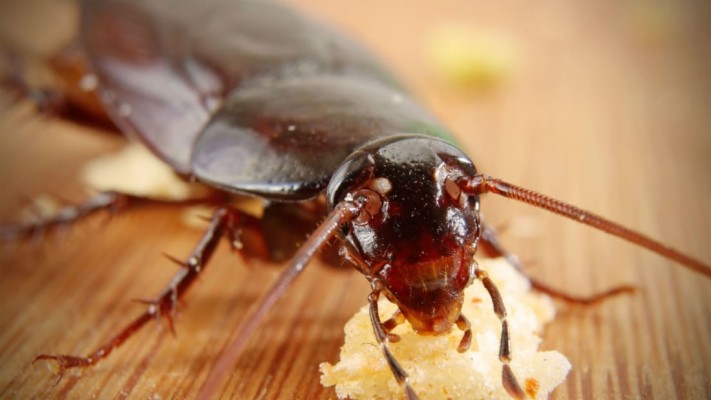
When considering the myriad of insects that inhabit our world, cockroaches often elicit strong reactions, ranging from disgust to intrigue. One lesser-known aspect of these resilient creatures is their scent. Yes, cockroaches possess distinct odors, which can vary by species and circumstance. This article delves into the nuances of what cockroaches smell like, the reasons behind these scents, and what they can indicate about their environment.
To begin with, it is essential to understand that cockroaches are not just simple pests; they are complex organisms with unique chemical signatures. The odor that cockroaches emit is primarily caused by pheromones and various chemical compounds produced by their bodies. The scent can often be described as musty, oily, or even reminiscent of damp towels or decayed organic matter, but this varies significantly across different species and individual situations.
1. The Anatomy of Cockroach Odor
Cockroaches have specialized glands that secrete pheromones, which serve as chemical signals for communication among individuals. These glands create a cocktail of various compounds that collectively affect the overall scent profile of the cockroach. These secretions play a role in mating, alarm signaling, and social interaction within their groups. The complexity of these chemical compounds is what contributes to the unique smell of cockroaches.
2. Common Species and Their Distinct Scents
Different species of cockroaches possess their own unique odors. Below are a few prominent varieties and their associated scents:
- American Cockroach: Known for being one of the largest species, the American cockroach has a pungent, oily smell which can be likened to that of decaying organic matter. This odor becomes pronounced when there are large infestations.
- German Cockroach: Smaller in size but notorious for their rapid reproduction, German cockroaches emit a musty smell that can suggest poor hygiene conditions. The scent can often linger in kitchens and pantries.
- Oriental Cockroach: Often described as having an earthy, moldy smell, the Oriental cockroach’s scent is more pronounced in damp areas. This species thrives in moisture-rich environments, intensifying its odor in such settings.
- Smokybrown Cockroach: With a strong, slightly sweet smell, the Smokybrown cockroach scent is reminiscent of stagnant water. They are predominantly outdoor insects, and their odor can sometimes permeate into homes.
3. Factors Influencing Cockroach Scent
Several factors can influence the smell emitted by cockroaches, including:
- Infestation Size: A larger population typically results in a stronger, more pungent smell. As cockroaches congregate, the combined pheromonic output can create an overwhelming odor.
- Environment: Cockroaches thrive in environments rich in moisture and organic debris. Areas that are unkempt or damp may amplify the cockroach odor, making it easily detectable.
- Diet: The smell can also be affected by what cockroaches consume. A diet rich in rotting food can exacerbate odors, creating a more pronounced and unpleasant scent.
4. Health Implications of Cockroach Odor
The presence of cockroach odor can serve as an indicator of poor sanitary conditions, which may have health-related implications. The secretions and feces of cockroaches are known to trigger allergies and asthma in sensitive individuals. Thus, an offensive odor may not just be a nuisance but also a precursor to health issues. Understanding these smells can prompt early intervention and preventive measures.
5. Detecting Infestations by Scent
The detection of cockroach odors can be a useful tool in identifying potential infestations. Homeowners and pest control professionals often use odors to assess the risk of an infestation. Here are some signs that can assist in recognizing the presence of cockroaches:
- Foul, Musty Odors: If you detect an uncharacteristically musty or oily odor within your living space, it may signal the presence of cockroaches.
- Odor Intensification: If the smell increases in intensity over time, it can indicate a burgeoning population of these insects.
- Location-Specific Scents: Distinct odors can be tied to specific locations— for instance, a strong smell in a kitchen or pantry may suggest a hiding place for cockroaches.
6. Overcoming Cockroach Odors
Addressing the issue of cockroach odors often requires tackling the source of the smell directly. Below are some actionable strategies:
- Maintain Cleanliness: Regularly cleaning and decluttering your home can reduce potential hiding spots for cockroaches and diminish the sources of their odor.
- Seal Entry Points: Preventing cockroaches from entering your home is crucial. Ensure that cracks and crevices are sealed, as well as doors and windows.
- Use Odor Neutralizers: Employing air fresheners or specialized odor eliminators can mask unpleasant smells, although they do not eliminate the problem outright.
- Professional Pest Control: In cases of significant infestations, consulting with pest control professionals can help eradicate the source and subsequently reduce odors.
In conclusion, the distinctive odors associated with cockroaches are more than mere annoyances; they are indicators of environmental conditions and potential infestations. Understanding these scents can empower homeowners to recognize and address issues proactively, ensuring a more pleasant living space. Through cleanliness, vigilance, and effective pest management, the odors of cockroaches can become a relic of the past, paving the way for a fresher and healthier environment.









Leave a Comment