When it comes to caring for our canine companions, understanding the myriad of health issues they might encounter is paramount. One such concern is ringworm, a fungal infection that can affect dogs, and its symptoms can often be mistaken for other skin ailments. Familiarizing yourself with the appearance of ringworm is crucial for timely diagnosis and effective treatment. This guide delves into the visual and physiological manifestations of ringworm in dogs, equipping you with the knowledge to identify this condition accurately.
Understanding Ringworm
Despite its name, ringworm is not related to any parasitic worm. Rather, it is a contagious fungal infection caused by dermatophytes, primarily Microsporum canis, Microsporum gypseum, and Trichophyton mentagrophytes. It’s essential to understand that this infection can spread not just among dogs, but also to humans and other pets. Thus, recognizing the symptoms and initiating treatment promptly is vital.
Visual Characteristics of Ringworm in Dogs
When assessing a dog for ringworm, one will notice specific visual characteristics that differentiate it from other dermatological conditions. The manifestations of ringworm primarily encompass:
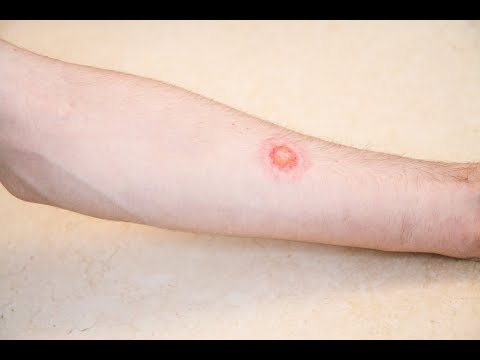
- Classic Circular Lesions: The hallmark sign of ringworm is the presence of round, scaly patches on the skin. These lesions often have a raised, red border, which may resemble a ring. As these spots develop, they can begin to clear in the center, forming the classic ‘ring’ shape that gives the infection its name.
- Hair Loss: Infected areas often exhibit hair loss, which can be dramatic. Patches of fur may fall out, especially along the margins of the circular lesions. This phenomenon occurs due to the fungal infection disrupting the hair follicles, leading to a condition known as alopecia. The extent of hair loss can vary, with some lesions being nearly bald while others retain tufts of hair.
- Scaly or Crusty Skin: The infected skin may become rough and scaly, akin to eczema or psoriasis. The appearance can range from a dry, flaky exterior to crusty patches that can weep, indicating a deeper problem.
- Redness and Inflammation: Surrounding the lesions, one may observe redness and mild inflammation. The skin may appear irritated and can elicit discomfort or itching, prompting dogs to scratch or bite at the affected areas.
- Secondary Infections: As the dog scratches and aggravates the infected areas, it can lead to secondary bacterial infections. At this stage, one might observe pus-filled pustules or oozing, which necessitates immediate veterinary intervention.
Common Locations on the Body
While ringworm can manifest anywhere on a dog’s body, certain areas are more susceptible:
- Head and Ears: The face and ears are prime locations for ringworm infections. The area around the eyes and the tips of the ears may often develop circular lesions, making it critical to examine these areas closely.
- Paws and Toes: Fungal spores thrive in the gaps between toes and around the paws, causing infections in these areas. Lesions may appear between the toes, leading to itching and discomfort while walking.
- Tail and Hindquarters: The base of the tail and the groin area are other common sites for ringworm infection. Lesions here may impact a dog’s overall comfort level and may not always be easily visible due to fur coverage.
Diagnosis and Treatment
If you suspect your dog has contracted ringworm, a prompt visit to the veterinarian is crucial. Diagnosis typically involves a thorough physical examination and may include:
- Wood’s Lamp Examination: This test uses ultraviolet light to identify fungal spores that fluoresce, potentially indicating infection.
- Fungal Culture: A sample of the infected fur or skin may be taken to grow the fungus in a controlled setting, thereby confirming its presence.
- Microscopic Examination: Scraping affected areas under a microscope can also reveal the characteristic fungal elements.
Once diagnosed, treatment generally includes:
- Antifungal Medications: Oral or topical antifungal therapies can effectively manage the infection. Medications such as griseofulvin or terbinafine are often prescribed.
- Topical Treatments: Creams, shampoos, or ointments containing antifungal agents can be applied directly to the lesions.
- Environmental Cleaning: Since ringworm is contagious, it is vital to clean and disinfect your home, as well as other pets in the household.
Conclusion
Ringworm, although concerning, is manageable with early detection and appropriate veterinary care. Recognizing its distinct visual symptoms can make a significant difference in your dog’s health and comfort. Always consult with a veterinarian if you notice any unusual changes in your pet’s skin or fur. Being well-informed will empower you to act swiftly, ensuring your furry friend stays healthy and happy.









Leave a Comment