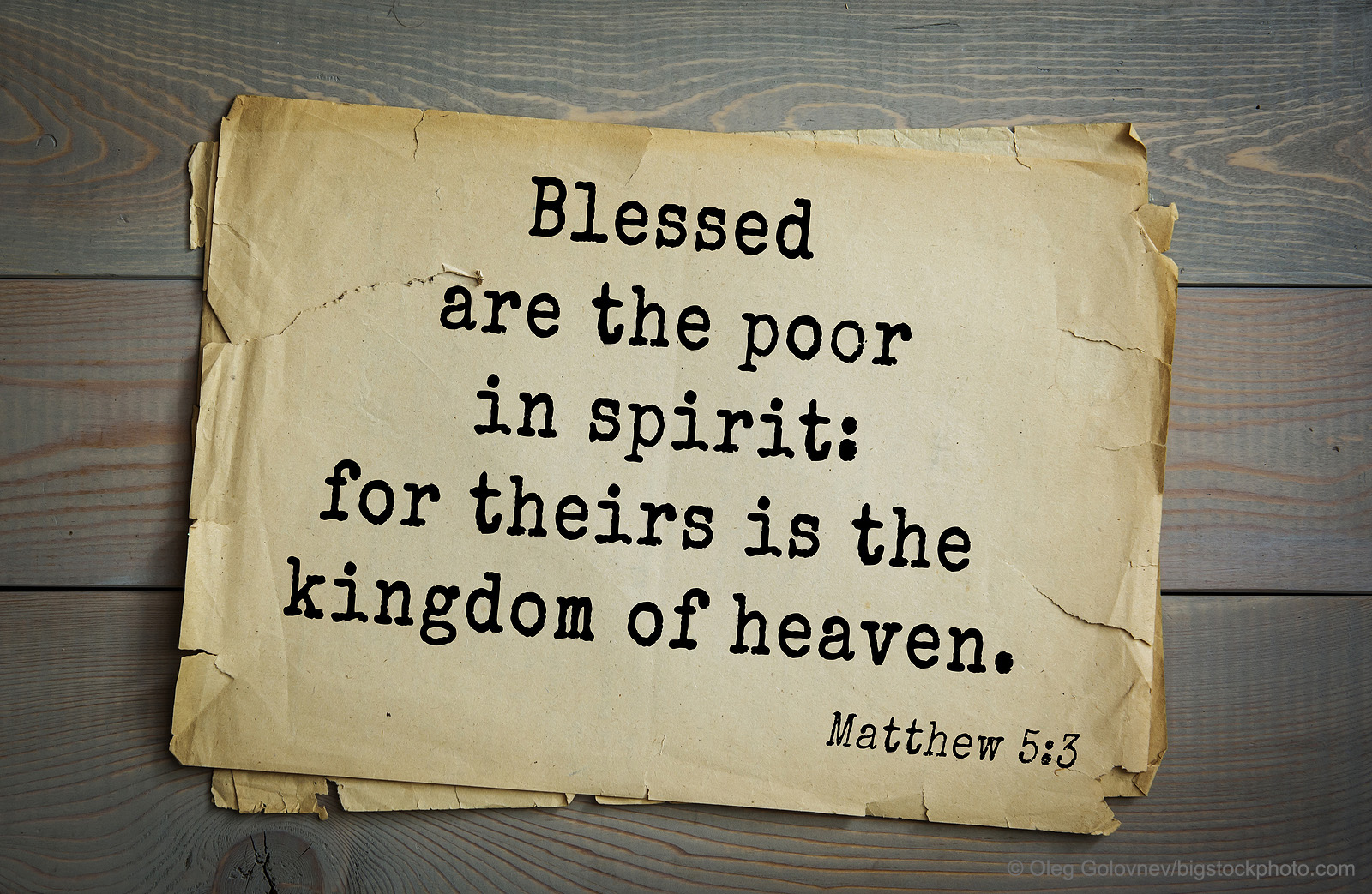
The phrase “Blessed are the poor in spirit” resonates profoundly within the realm of spiritual teachings, particularly within Christian scripture. It emerges from the Beatitudes, a series of blessings pronounced by Jesus during the Sermon on the Mount. But what does this antiquated phrase entail? Instead of a simple exploration, let’s embark on a journey that not only deciphers its meaning but also delves into its implications for our lives today. Are you ready to challenge your perceptions of wealth, humility, and spiritual richness?
Understanding the Context
To fully appreciate the significance of “the poor in spirit,” we must first recognize the historical and cultural context of its origin. During the time of Jesus, societal structures were rife with hierarchical distinctions—a landscape dominated by wealth, power, and status. Here, Jesus introduces a counter-cultural perspective, suggesting that true blessedness does not stem from material abundance or self-sufficiency. Instead, it arises from a deep acknowledgment of one’s spiritual poverty—a recognition of our innate need for divine grace and connection.
The Concept of Spiritual Poverty
When delving into the notion of being “poor in spirit,” it becomes essential to disentangle it from mere financial poverty. Spiritual poverty encapsulates humility, recognizing our limitations and shortcomings while fostering a yearning for enlightenment and guidance. It speaks not only to those who lack material possessions but also to those who approach life with an open heart, ready to learn and grow. This condition of humbled consciousness serves as fertile soil for spiritual growth.
Might it be that you’ve often minimized the importance of humility in your life? Ponder this: could embracing a state of spiritual poverty unlock paths to deeper fulfillment and joy?
The Blessing in Being Poor in Spirit
What about the “blessing” aspect? The term “blessed” suggests a state of divine favor and happiness, yet paradoxically, it is often associated with those who appear less fortunate in worldly terms. This counter-intuitive statement argues that those who understand their limitations gain a unique insight and, consequently, a richer spiritual experience. By relinquishing the insatiable desire for tangible success and accolades, we open ourselves to a life infused with gratitude and grace.
This state of blessedness is not merely passive; it invites active engagement with the world. When we embrace our poverty of spirit, we become more compassionate, empathetic, and tuned into the struggles of others. Could it be that in recognizing our fragility, we cultivate a shared humanity that propels us toward kindness and cooperation?
Practical Applications in Modern Life
Having established the ideals behind “being poor in spirit,” let’s now navigate its applicability in contemporary life. The modern world often celebrates self-reliance and personal achievement. However, countering this ethos with humility and openness heralds a necessary challenge. Here’s how to embody the principles of spiritual poverty in daily life:
- Embrace Vulnerability: Acknowledge your limitations and avoid putting on a façade of invulnerability. Vulnerability connects us meaningfully with others and fosters authentic relationships.
- Practice Gratitude: Regularly reflect on the things you value that cannot be quantified—relationships, experiences, and moments. Gratitude elevates your consciousness and invites a state of openness.
- Engage in Self-Reflection: Set aside time for introspection or meditation. Examining your thoughts and actions allows you to approach situations with a spirit of learning rather than judgment.
- Cultivate Empathy: Make a conscious effort to understand others’ perspectives. Recognizing that everyone has struggles brings depth to your interactions and fosters compassion.
How do you currently embody humility in your life? Could you find yourself challenged to enhance your empathetic engagement with those around you?
The Larger Spiritual Implications
Ultimately, “Blessed are the poor in spirit” serves as a pivotal reminder of the delicate balance between self-awareness and spiritual fulfillment. It provokes reflection on a deeper relationship with the divine—one that embraces dependence on grace rather than self-sufficiency. By acknowledging our inherent vulnerabilities, we position ourselves for an enriching journey towards spiritual enlightenment.
This paradigm shift prompts a greater question. How would your life transform if you consciously sought to embrace spiritual poverty and humility as a path to blessings?
Conclusion: Embracing Spiritual Poverty
“Blessed are the poor in spirit” may appear to be a simple aphorism, yet its depth is unparalleled, offering wisdom that transcends time. As you grapple with this teaching, consider the myriad ways it may illuminate your path. By embracing spiritual poverty, you unlock not only personal growth but also forge a more profound connection with those around you. In a world often dominated by the pursuit of wealth, success, and pride, may you find courage in humility, discovering the immense blessings that await in the depths of spiritual richness.











Leave a Comment