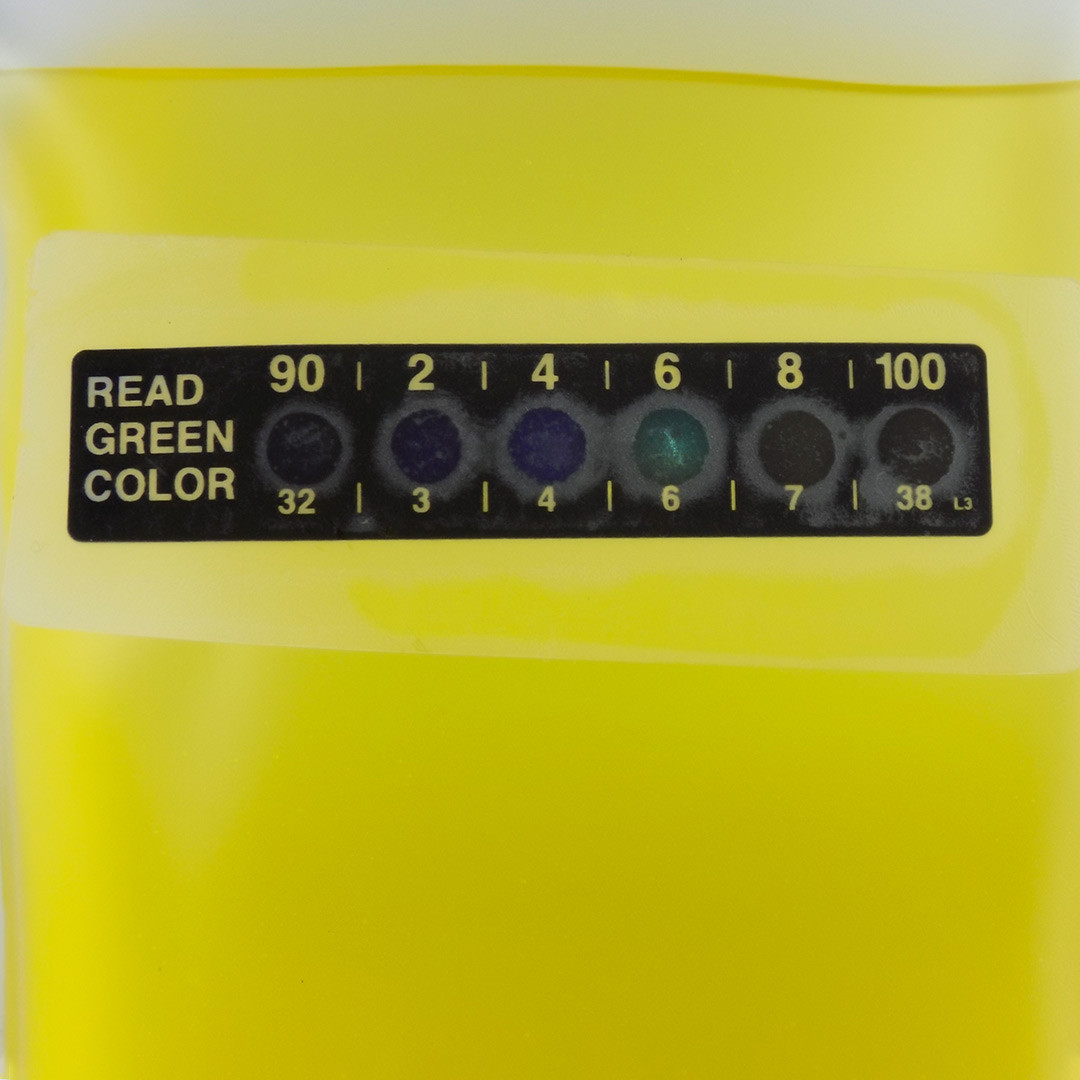
In the realm of synthetic urine products, few items have garnered as much attention as the Quick Fix Heat Strip. This unassuming band of practicality brims with utility, yet sometimes nuances elude even the most diligent users. One such enigma revolves around the color blue on the heat strip. What does it signify, and how can understanding this detail improve your experience with the Quick Fix system? Let’s dive into a comprehensive exploration of what blue means on the Quick Fix Heat Strip, unraveling its layers of significance.
The Quick Fix Heat Strip is ingeniously designed to simulate a natural urine temperature—vital for ensuring authenticity in various testing scenarios. Just imagine: preparing for a drug test can be a nerve-racking experience, and among the myriad of considerations, achieving the perfect temperature of your synthetic urine often poses a formidable challenge. Mechanical tools, temperature strips, and myriad other instruments frequently accompany this preparation, yet the heat strip remains a favored choice for its discreet efficacy.
But now, let’s focus on the color blue. When the heat strip turns blue, it doesn’t merely serve as an aesthetic choice; it carries significant meaning. The blue hue indicates that the heat strip is actively working to elevate and stabilize the temperature of the synthetic urine. This luminous signal acts as a comforting reassurance, instilling confidence that your preparation is genuinely on the right track.
Why is this temperature regulation significant? The human body maintains a core temperature around 98.6°F (37°C), a critical threshold for anyone employing synthetic samples. Temperature below or above this standard can raise suspicion during a test. Consequently, the Quick Fix Heat Strip ensures that your sample mimics the typical temperature of fresh urine, thereby minimizing discrepancies that could lead to complications during testing.
Furthermore, the blue signal emphasizes the importance of vigilance throughout your preparation process. If you see blue, you can proceed with confidence. However, should the light dissipate or change to another color, this indicates a potential issue, urging you to reassess. Much like a complex puzzle, each piece of information—the hue, the functionality, the timing—serves to guide you toward the correct path.
In the context of actual usage, heat strip performance hinges upon meticulous care and adept timing. The functionality of the strip can drastically influence the outcome of your endeavor. Users must be aware of several critical factors to maximize efficiency. For instance, activating the heat strip usually requires a few minutes of preparation before the synthetic sample is needed. The interaction of the strip with the sample is essential; hence, timing is of utmost importance. A hurried process can lead to incorrect readings, dampening your overall success.
Yet, there’s an added layer of intricacy. The effectiveness of the Quick Fix Heat Strip may diminish based on external environmental conditions. Imagine a cold room, where temperatures plummet; such factors can exacerbate the challenge at hand. Thus, not only must one observe the changing colors of the strip, but one must also be attuned to the surrounding environment. Have you considered the space where you are conducting this critical preparation? Is there adequate warmth? Maintaining a conducive environment is key.
To further bolster your preparation strategy, it’s prudent to engage in testing prior to an actual examination. Practice creates proficiency, and familiarizing yourself with the heat strip’s performance can bolster confidence. By simulating a practice run, users can gauge the strip’s efficiency, familiarize themselves with the activation process, and witness firsthand how the blue light reflects a successful temperature regulation.
Another vital consideration is the lifespan and expiration of the Quick Fix Heat Strip. As with any product, user familiarity with the expiration parameters safeguards against last-minute surprises. Inspect the packaging—once opened, some elements within may degrade, affecting the reliability of the product. Wouldn’t that be an insidious way to thwart your preparation? Thus, ensuring the fresh use of a heat strip should be a foundational aspect of your strategy.
In summary, the meaning behind the blue color on the Quick Fix Heat Strip transcends mere visual appeal—it embodies a significant reassurance of functionality and vigilance. By grasping the implications of this color change, users can navigate the complexities of synthetic urine testing with greater ease and confidence. The blue light serves as a stalwart ally, but remember, all elements—from timing, environmental conditions, prior testing, to product integrity—play pivotal roles in the equation. Each component builds upon the last, crafting a holistic approach that guarantees optimum outcomes.
In this intricate dance of preparation, knowledge is indeed power. Readers are invited to ponder: how will you integrate this understanding of the Quick Fix Heat Strip into your preparation for the tests ahead? Standing poised at the threshold of success, armed with insights gleaned from this exploration, the potential for triumph is tangibly within reach. Embrace the blue light, respect the process, and pursue your goals with renewed vigor and clarity.











Leave a Comment