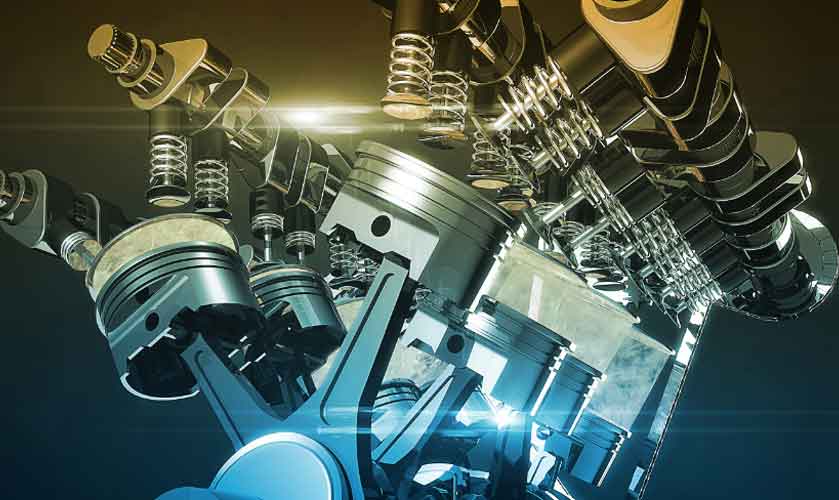
In the intricate world of engine mechanics, coolant plays a pivotal role in maintaining optimal performance and longevity. Often overlooked, this vital fluid ensures that your vehicle operates efficiently, safeguarding against overheating and promoting overall mechanical harmony. This article delves into the composition, function, and types of coolant, as well as its intricate journey through your vehicle’s cooling system.
Understanding Coolant: The Basics
At its core, coolant, often referred to as antifreeze, is a mixture primarily composed of water and ethylene glycol or propylene glycol. These elements imbue the fluid with essential properties, enabling it to absorb, transfer, and release heat effectively. This dual role is crucial, as it helps regulate engine temperature under a range of conditions, from sweltering summer heat to frigid winter climates.
The Essential Functions of Coolant
Coolant serves several vital functions within the engine’s cooling system:
- Temperature Regulation: The primary function of coolant is to absorb excess heat generated by the engine, thus preventing overheating. When coolant flows through the engine, it absorbs heat, which is then dissipated via the radiator.
- Corrosion Inhibition: Coolant contains additives that inhibit the corrosion of metal components within the engine and cooling system. This is particularly crucial since rust and corrosion can lead to significant mechanical failures.
- Lubrication: Some coolants also provide lubrication for the water pump and seals, ensuring smooth operation and longevity of these components.
- Freezing Point Depression and Boiling Point Elevation: Coolant is engineered to lower the freezing point and raise the boiling point of the liquid within the cooling system, providing protection against extreme temperature fluctuations.
Types of Coolants: A Comprehensive Overview
Coolants come in various formulations, each tailored to specific vehicle requirements and climatic conditions. Here’s a closer examination of the predominant types:
- Conventional Coolant: Typically base on ethylene glycol, this type is often dyed green and is effective for most older models. It requires periodic replacement to maintain effectiveness.
- Extended Life Coolant (ELC): Formulated with organic acid technology (OAT), ELC can last up to five years or 150,000 miles. Its longer life is attributed to more robust breakdown resistance and superior corrosion inhibition.
- Hybrid Organic Acid Technology (HOAT) Coolant: This type combines the properties of both conventional and ELC coolants, presenting a balanced approach with a lifespan similar to ELC but offering additional protective features for various metals.
- Water-Free Coolant: While less common, this type contains no water and is often used in specialized applications. It boasts exceptional thermal stability and is primarily employed in racing or high-performance environments.
The Journey of Coolant Through the Engine
To fully grasp the significance of coolant, it is essential to understand its journey within the vehicle’s cooling system. Initially, the coolant fills the radiator and is then pumped into the engine through the water pump. As it circulates, it absorbs heat and flows back to the radiator, where it releases heat into the atmosphere. This continuous cycle is critical for maintaining efficient engine operation.
Signs of Coolant Problems
Detecting issues with coolant is vital for prevention. Here are some common warning signs:
- Overheating Engine: If the engine temperature gauge rises excessively, it may indicate insufficient coolant levels or a malfunctioning cooling system.
- Coolant Leaks: Puddles of bright green or orange fluid beneath the vehicle can point to a leak in the cooling system. A timely inspection is critical to avoid severe engine damage.
- Unpleasant Odors: A sweet smell emanating from the engine compartment can signal a coolant leak, while an acrid odor might indicate overheating.
Maintaining the Coolant System
Regular maintenance of the coolant system is essential for optimal engine health. Here are essential practices for upkeep:
- Regular Checks: Frequently inspect the coolant level and condition. If the coolant appears rusty or discolored, it may need replacing.
- Flush and Replace: Follow the manufacturer’s recommendations for flushing the cooling system and replacing the coolant to ensure optimal performance.
- Monitoring Temperature: Keep an eye on the engine temperature gauge and address any discrepancies immediately to preempt problems.
Conclusion: The Lifeblood of Your Engine
Coolant may be a humble liquid, but its impact on your vehicle’s performance and longevity is profound. By regulating temperature, reducing corrosion, and providing lubrication, coolant ensures your engine remains functional and efficient. Understanding the significance of this essential fluid empowers drivers to safeguard their vehicles against mechanical failure. Regular maintenance, prompt attention to symptoms of coolant issues, and a sound understanding of the varieties available will not only enhance your vehicle’s performance but also extend its lifespan. Keeping your engine cool is not merely a maintenance task—it is a commitment to the health of your vehicle.









Leave a Comment