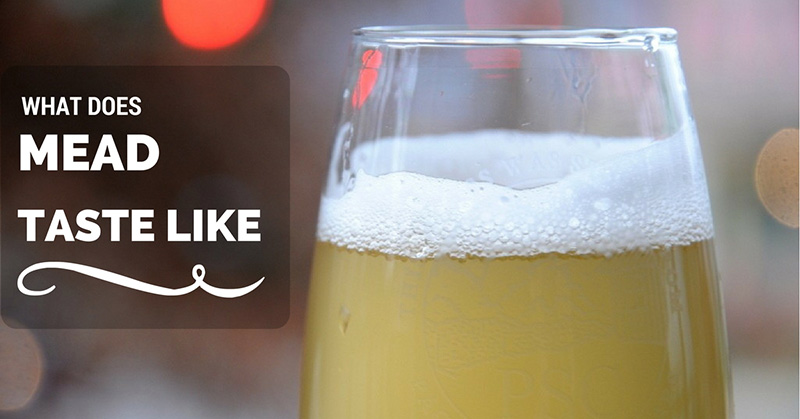
Mead, often dubbed the “nectar of the gods,” has experienced an undeniable renaissance in the world of craft beverages. This ancient elixir, made from fermented honey and water, can invoke curiosity and intrigue among both novice drinkers and seasoned connoisseurs. What does mead actually taste like? Exploring this complex and multifaceted beverage reveals deeper reasons for its enduring charm and fascination.
1. The Foundation: The Ingredients of Mead
To understand what mead tastes like, one must first consider its ingredients. The core components—honey, water, and yeast—blossom into an array of flavors that can differ dramatically based on numerous factors. The type of honey used plays a critical role, imparting floral, fruity, or earthy notes, depending on the flowers from which the bees sourced their nectar. The water quality, be it hard or soft, can also influence the profile, affecting how well the flavors meld during fermentation.
2. The Spectrum of Sweetness
Mead comes in various styles, each characterized by its sweetness level. From bone-dry to syrupy sweet, the sweetness is a defining trait that can greatly alter one’s experience. A dry mead—often fermented longer—will feature a crisp, clean taste, allowing the subtle honey characteristics to shine. On the other hand, sweet meads envelop the palate in a luscious embrace, drawing out rich honey flavors that may remind one of vanilla, caramel, or ripe fruits. This vast spectrum captivates enthusiasts, inviting exploration and experimentation.
3. Complexity Through Fermentation
The fermentation process introduces additional layers of complexity to mead’s flavor profile. Depending on how long the fermentation occurs and the temperature at which it takes place, various esters and phenolic compounds emerge. These compounds can lend aromas reminiscent of spices, herbs, or citrus, imbuing the mead with a vibrant tapestry of tastes. A well-crafted mead will often present itself as a living organism in a glass, evolving as it warms and breathes, revealing nuances that make it a sensory marvel.
4. The Influence of Additional Ingredients
Many contemporary meaderies are expanding the boundaries of traditional mead by incorporating a host of additional ingredients, such as fruits, spices, and botanicals. These adjuncts transform the fundamental flavor profile. For instance, the introduction of berries like strawberries or blackberries can enhance the drink with tartness and brightness, while spices like cinnamon or ginger may evoke warmth and complexity. Such creative concoctions entice consumers and encourage greater appreciation for the versatility inherent in mead.
5. The Role of Alcohol Content
Alcohol content is another vital element that shapes the experience of tasting mead. Generally ranging from 5% to 20% ABV, higher alcohol levels can create a warming sensation that amplifies the richness of the beverage. Lower-alcohol meads can feel effervescent and light, often delivering a refreshing quality that dances on the palate. This interplay between sweetness, acidity, and alcohol level leads to diverse tasting notes that appeal to a broad spectrum of preferences.
6. Aromatic Qualities
Beyond taste, the aroma of mead significantly enhances the overall sensory experience. The olfactory properties of mead can evoke delicate floral notes or robust, honeyed fragrances. As the glass fills, you may detect hints of chamomile, jasmine, or even leather, depending on the mead’s composition. The aromatic experience can be joyously indulgent, encouraging deeper engagement with the drink before it even touches your lips.
7. The Cultural Connection
Many find themselves drawn to mead not only for its palate-pleasing qualities but also for its rich historical and cultural significance. This ancient beverage has been celebrated in various civilizations, from the Greeks to the Vikings, all of whom held it in high regard for its taste and supposed aphrodisiac properties. Sipping mead can evoke a sense of connection to history, tradition, and communal festivity, offering a tantalizing glimpse into the past—a connection that adds layers to the tasting experience.
8. A Personal Journey
Ultimately, the taste of mead is not merely an objective exploration of flavor but a subjective experience shaped by memory, expectation, and personal preference. Each sip can conjure moments or feelings from one’s own life, creating an intimate relationship with the beverage. It is this depth of personal connection that fuels the fascination surrounding mead, making it far more than just a drink.
9. Conclusion: An Ever-Evolving Marvel
In evaluating what mead tastes like, it becomes evident that this unique beverage is an intricate fusion of natural ingredients, captivating aromas, and cultural significance, inviting those who partake in its offerings on an ever-evolving journey of flavor and experience. Whether you are embarking on your first tasting or are an experienced enthusiast, the multifaceted dimensions of mead promise a captivating exploration that underscores why this ancient drink endures in popularity today. So, raise a glass to the delectable world of mead—it is a journey worth savoring.









Leave a Comment