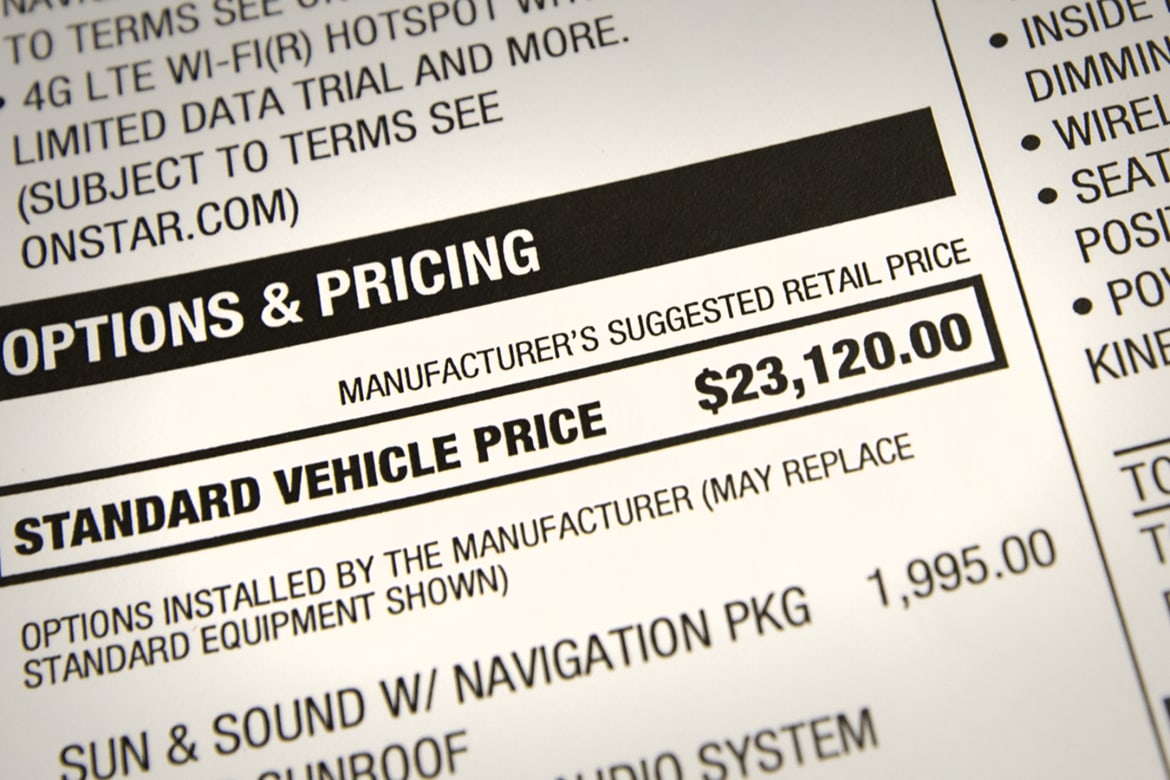
Understanding the world of retail pricing can often feel like navigating a labyrinth. Among the myriad terms used, MSRP stands out as a critical concept that both consumers and retailers should comprehensively grasp. MSRP, or Manufacturer’s Suggested Retail Price, serves as a vital benchmark in the marketplace, influencing purchasing decisions, pricing strategies, and, ultimately, consumer satisfaction. This article will elucidate the nuances of MSRP, its implications, and the overall significance it holds in various contexts.
Defining MSRP
At its core, MSRP represents the price point at which a manufacturer recommends that a retailer sells a product. This figure is not an obligation for retailers to follow, but rather a guideline. Manufacturers establish this price based on various factors, including production costs, research and development, market analysis, and competitive positioning. Understanding this recommended price can empower consumers to recognize value in their purchases and avoid overpaying for items.
The Importance of MSRP
MSRP carries considerable weight in the retail sector for several reasons. First and foremost, it standardizes pricing across different retailers, providing a semblance of consistency in the market. This uniformity simplifies comparisons, enabling consumers to make informed decisions. When a price discrepancy appears, it often raises red flags, prompting buyers to investigate the reasons for such differences.
Moreover, MSRP is instrumental in promoting brand image and positioning. A product with a higher MSRP may conjure perceptions of luxury or exclusivity, while a lower MSRP might suggest value and accessibility. Hence, manufacturers carefully consider their MSRP as part of their branding strategy, integrating it into overall marketing efforts.
How MSRP Affects Buying Decisions
For consumers, the MSRP acts as a psychological anchor. It’s common for shoppers to weigh prices against the MSRP to discern a good deal. A product sold below its MSRP often instills a sense of accomplishment within consumers, fostering a belief that they have secured a bargain. Conversely, pricing above MSRP can lead to feelings of being cheated or taken advantage of, triggering dissatisfaction and potentially harmful brand loyalty.
Furthermore, during sales events or clearance periods, the MSRP becomes pivotal. Discounts are often communicated in relation to this suggested price, demonstrating the savings that consumers might secure. For instance, a product originally priced at $100 but marked down to $75 indicates a noteworthy 25% off the MSRP, thereby enticing shoppers looking for deals.
Market Variability and MSRP
The efficacy of MSRP can fluctuate depending on market conditions. Economic factors such as inflation, changes in consumer demand, and emerging technologies can profoundly influence the effectiveness of MSRP as a pricing strategy. For instance, during economic downturns, the MSRP may need to be adjusted to align with what consumers are willing to pay, while exuberant economic conditions might allow for increased MSRPs to reflect heightened consumer spending power.
Another critical factor affecting MSRP is the competitive landscape. In markets with saturated competition, manufacturers may be compelled to lower their MSRPs to attract consumers, thereby maintaining market share. Conversely, in niche markets with limited competition, a higher MSRP may prevail, reflecting the exclusivity of the product.
MSRP vs. Actual Selling Price
It is vital to distinguish between MSRP and the actual selling price (ASP). While MSRP serves as a guideline, ASP is the price consumers ultimately pay. In many cases, retailers may decide to sell products either above or below the MSRP, depending on their own pricing strategies, inventory levels, and sales goals. Promotions, discounts, seasonal sales, and clearance events pose ample opportunities for deviations from MSRP.
Consumers should acknowledge that lower ASPs don’t necessarily denote inferior quality or decreased value. Rather, they might reflect effective marketing tactics, inventory management strategies, or even consumer trends. Consequently, discerning shoppers will always evaluate the quality, brand reputation, and intrinsic value of a product in conjunction with its price.
MSRP in the Digital Age
The advent of e-commerce has further transformed the dynamics surrounding MSRP. Online platforms enable consumers to rapidly compare prices, leading retailers to adopt dynamic pricing strategies based on demand and competition. Manufacturers also face challenges as online market forces can push prices below MSRP more aggressively than traditional brick-and-mortar retailers can manage.
Additionally, reviews and consumer feedback shared online have made transparency about pricing and value paramount. As price-sensitive consumers become savvier, understanding MSRP can be instrumental in their purchasing decisions. It fosters an informed consumer base that seeks to understand the intrinsic value of products rather than merely relying on price points.
Conclusion
In conclusion, MSRP stands as a cornerstone in the intricate balance of retail economics, influencing everything from consumer decisions to marketing strategies. Recognizing and understanding MSRP equips consumers with the knowledge necessary to navigate the commercial landscape effectively. With this awareness, they can make informed choices, enhancing their shopping experiences and achieving greater satisfaction with their purchases. By fostering a deeper comprehension of MSRP and its implications, shoppers become more empowered and competent in their buying endeavors in an ever-evolving marketplace.










Leave a Comment