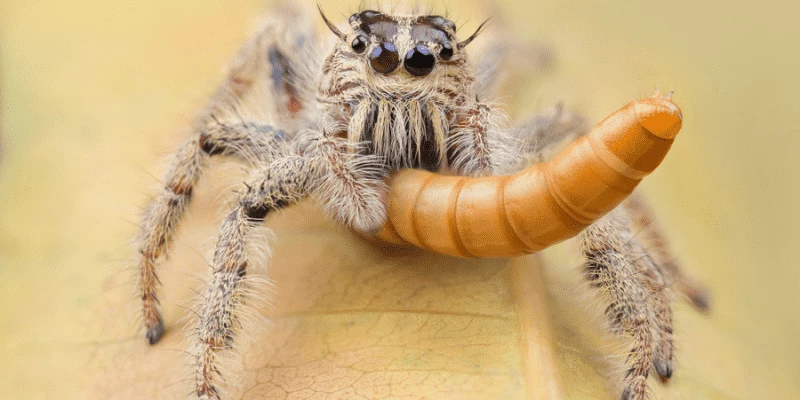
For those who observe the world of arachnids, few creatures exhibit the same level of curiosity and allure as the jumping spider. With their large, expressive eyes and agile movements, these diminutive spiders often capture our attention. One of the most fascinating aspects of their biology is their diet, which offers insights into their predatory behaviors and ecological roles. This article delves into the dietary preferences of jumping spiders, exploring not just what they consume but also the complexities behind their eating habits.
The Anatomy of a Predator
At first glance, the jumping spider’s appearance may seem unremarkable, but closer inspection reveals an array of specialized features perfect for hunting. Their keen eyesight, particularly in the realm of ultraviolet light, enables them to detect prey from considerable distances. Equipped with powerful leg muscles, they can leap up to 50 times their body length, allowing them to ambush unsuspecting insects with remarkable precision. This anatomy serves a purpose, channeling their predilection for live prey.
The Primary Diet: Insects Galore
Jumping spiders primarily dine on insects, making them adept micro-predators within their ecosystems. Their hunting repertoire includes a wide array of arthropods, such as flies, moths, beetles, and ants. This diet is not simply a matter of taste, but a necessary component of survival; insects provide the protein and nutrients essential for growth and reproduction. By targeting these organisms, jumping spiders help regulate insect populations, contributing to the balance of their habitats.
Tantalizing Tactics: How They Hunt
What sets jumping spiders apart is not merely their choice of prey, but their method of capture. Unlike other spiders that ensnare their victims in webs, jumping spiders employ a technique rooted in stealth and agility. They stalk their prey with deliberate movements, often pausing to assess their surroundings. Once the moment is right, they pounce, using their exceptional jumping ability to close the distance rapidly. This ambush strategy is not only efficient but also showcases their impressive predatory instincts.
Variability in Diet: Beyond the Usual
While insects make up the bulk of their diet, jumping spiders exhibit a surprising degree of dietary flexibility. Some species have been observed to consume other spiders, including their own kind, in a behavior known as cannibalism. This phenomenon can occur in situations where food is scarce or in competitive environments. Furthermore, they may occasionally ingest nectar or plant material, suggesting a limited opportunism beyond strict carnivory.
The Role of Coloration and Pattern
The vivid colors and intricate patterns of jumping spiders are not merely for show; they can also play a role in their feeding habits. These visual traits can attract potential mates or act as a form of camouflage while hunting. Bright colors may signal danger to would-be predators, indirectly benefiting their survival as hunters. The interplay between visual appeal and predatory prowess encapsulates the sophistication inherent in their evolutionary adaptations.
Environmental Influences on Feeding Behavior
The diet of jumping spiders can also fluctuate in response to environmental factors. Seasonal changes dictate the availability of prey; during warmer months, a plethora of insects fills the air, providing ample opportunities for feeding. Conversely, harsh conditions or habitat degradation may limit their food sources, forcing them to adapt their hunting strategies or alter their preferred prey. This ability to adjust to changing environments highlights the resilience of jumping spiders.
Communication and Feeding
Interestingly, jumping spiders may engage in a form of communication that aids their feeding behavior. During courtship or territory defense, male jumping spiders exhibit intricate dances and displays. These behaviors may inadvertently attract the attention of unsuspecting prey, allowing the spider to capitalize on their calculated posturing. Such multifaceted interactions further underline the complexity of their relationship with the food web.
Ecological Significance
Beyond their personal survival, jumping spiders play an integral role in their ecosystems. As natural predators, they help regulate insect populations, curbing the overabundance of certain species that could lead to ecological imbalance. Additionally, their predatory nature ensures the health of plant communities by controlling herbivorous insect populations, which, in turn, supports the entire food chain. This interconnectedness is foundational to understanding the wider implications of their dietary habits.
Conclusion: A Subject of Enchantment
The dietary habits of jumping spiders offer a window into their fascinating world. While their penchant for insects is a primary focus, it is the underlying complexity of their feeding behaviors, interactions, and ecological roles that truly captivates our interest. As we continue to observe these remarkable arachnids, we gain a deeper appreciation for the intricacies of nature and the astonishing adaptability of life forms that navigate their environments with such finesse. In a world often dominated by larger creatures, the subtleties of a jumping spider’s life remind us of the intricate balance required for thriving ecosystems.










Leave a Comment