Throughout history, the act of adorning one’s body has often been steeped in cultural significance, personal expression, and an inherently human desire for individuality. Among various forms of body modification, nose piercing stands out as a particularly captivating trend, embraced by individuals across diverse cultures and demographics. However, with this artistic expression comes a fundamental question: what gauge should one use for piercings? The answer to this seemingly simple inquiry requires a deeper exploration into the nuances of gauge sizes, the types of nose piercings, and the aesthetic intentions behind them.
At the heart of the gauge selection process is the understanding that piercing gauges represent the thickness of the jewelry used. The lower the number, the thicker the jewelry, which can have both aesthetic and physiological impacts on the healing process. Commonly, nose piercings employ gauges ranging from 20 to 12, with the most prevalent size being 18 gauge. Yet, the decision extends beyond merely picking a number; it involves considering an array of factors, including the type of piercing, personal pain tolerance, and even future jewelry choices.
1. Understanding Gauge Sizes
To embark on selecting the appropriate gauge, it is essential to comprehend the fundamental measurements involved. Gauge sizes are measured in millimeters, and the scale is somewhat counterintuitive: the smaller the number, the larger the gauge. For instance, a 20-gauge piercing has a diameter of approximately 0.8 mm, while a 12-gauge piercing is substantially thicker at about 2.0 mm. This incremental difference can significantly influence both the pain experienced during the piercing procedure and the overall healing time.
2. The Most Common Gauges for Nose Piercing
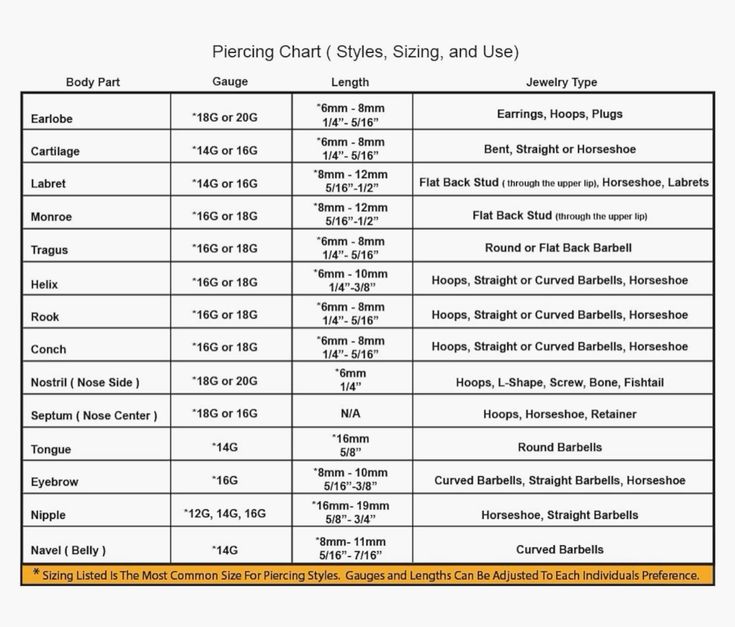
When it comes to nose piercings, various gauges are typically utilized based on the specific piercing type. The most common among these are:
- 20 Gauge: This size is often used for standard nostril piercings where a delicate look is desired. The narrower diameter minimizes discomfort and allows for a seamless integration into a variety of aesthetics.
- 18 Gauge: Arguably the most popular choice for nostril piercings, this gauge represents a cozy balance between visibility and delicacy. It is sturdy enough to accommodate a range of jewelry styles while still being slender enough for a subtle appearance.
- 16 Gauge: This size is frequently chosen for septum piercings. It is slightly thicker and offers a more substantial feel, lending itself well to heavier jewelry designs.
- 14 Gauge: Though less common, some individuals may opt for this thickness for specific styles or preferences, allowing for bold statement pieces.
3. The Types of Nose Piercings
The gauge chosen often correlates not only with pain tolerance but also the type of piercing involved. Common nose piercing types include:
- Nostril Piercing: This classic option is usually done on either side of the nostril and can be achieved with sizes ranging from 20 to 18 gauge.
- Septum Piercing: Located through the nasal septum, there is often a preference for a thicker gauge, making 16 gauge the go-to choice for a more robust feel.
- Bridge Piercing: Occurring on the flat part of the nose, this is less common and may require sizes starting from 16 gauge to ensure secure placement.
4. Factors Influencing Gauge Choice
Selecting the correct gauge is influenced by multiple considerations:
- Pain Tolerance: Different individuals experience pain in varying ways. Tightening or broadening the gauge size directly affects the discomfort felt during the process.
- Jewelry Preferences: Future jewelry decisions may dictate the gauge size chosen; certain designs can only accommodate specific thicknesses.
- Healing Considerations: Thicker gauges may facilitate a quicker healing process due to their sturdier nature. Conversely, wider gauges might introduce complications depending on the individual’s skin sensitivity.
5. The Impact of Cultural Context
Beyond the physical attributes of gauges, cultural contexts entwine with personal identity through the practice of nose piercing. Different cultures impose specific meanings on body modifications, often connecting them to tradition, status, or rites of passage. In many South Asian cultures, for example, nose piercings carry deep-rooted significance, often symbolizing marital status or religious beliefs. Thus, the choice of gauge may also reflect these cultural narratives, adding layers of meaning to the act itself.
Conclusion
The gauge selected for a nose piercing is not simply a matter of aesthetic appeal; it intertwines considerations of pain tolerance, cultural significance, and the intention behind personal adornment. The intricate dance of gauge sizes, piercing types, and individual preference illustrates a larger narrative about self-expression and the diverse ways humans seek to embrace and celebrate their uniqueness. Whether one opts for the delicate charm of a 20 gauge or the statement of a 14 gauge, the choice should resonate deeply, honoring personal desires and perhaps even echoing the historical and cultural tapestries from which this age-old tradition emerges.











Leave a Comment