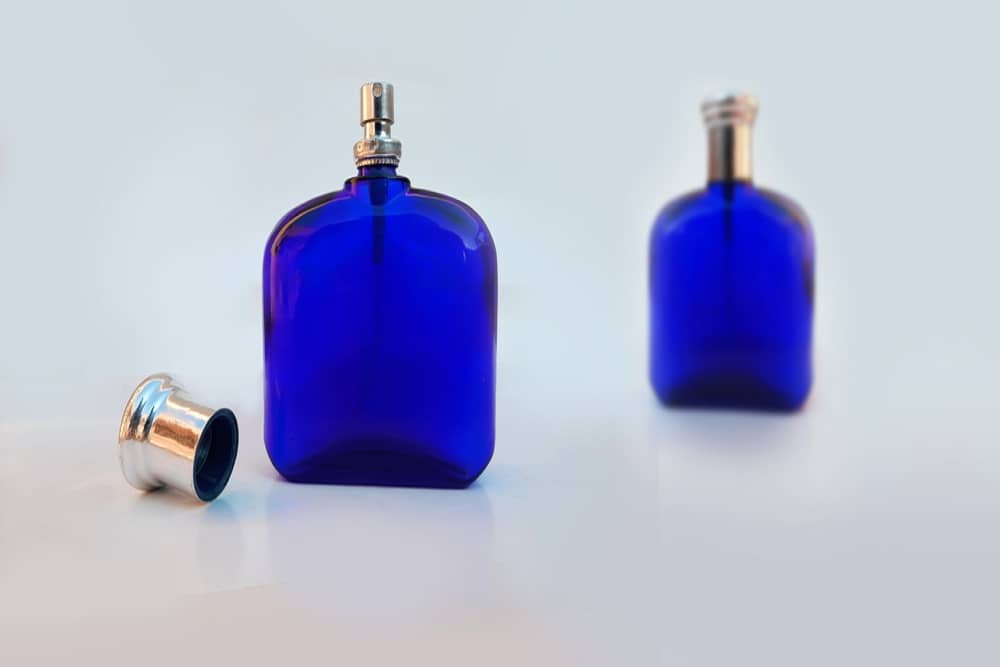
Leaving a cologne bottle open may seem innocuous at first glance, but this simple act can significantly impact the fragrance’s integrity and longevity. Understanding the ramifications of exposing cologne to air, light, and temperature variations is crucial for any fragrance aficionado. This article will delve into various aspects of cologne preservation, including chemical changes, practical implications, and tips for optimal storage.
1. The Chemistry of Fragrance
Cologne is a complex mixture of aromatic compounds, solvents, and fixatives that work together to create the beloved scents we enjoy. The primary component of most colognes is alcohol, which serves as a carrier for the fragrance oils. When you leave a bottle open, exposure to air oxidizes these volatile compounds, potentially altering their olfactory profile. This chemical reaction can lead to subtle or drastic changes in scent, shifting the fragrance from its intended allure to an unpleasant note.
2. Oxidation and Its Effects
Oxidation is a natural process that occurs when substances interact with oxygen. In the case of colognes, the interaction with air can lead to several undesirable outcomes. Initially, the top notes, which are the most volatile and delicate aspects of the fragrance, may dissipate quickly. These notes provide the initial impression of the scent, and their loss can tarnish the overall experience. Eventually, the heart notes follow suit, leaving only the base notes, which are often heavier and may not evoke the same charm.
3. The Role of Light
Light, particularly sunlight, can be another adversary for your cologne. Ultraviolet rays can break down fragrance molecules, accelerating the process of deterioration. If a cologne bottle is left open and exposed to light, it can not only lead to oxidation, as mentioned, but also photodegradation, which further compromises the fragrance. Consequently, storing cologne in a dark or dimly lit area is paramount for preserving its quality.
4. Temperature Considerations
Temperature plays a pivotal role in how a fragrance behaves. When a cologne bottle is left open, especially in a warm environment, the evaporation of the alcohol component can occur more rapidly. This evaporation not only intensifies the scent but can also skew the balance of the fragrance itself. An ideal storage temperature for colognes is usually between 60°F and 70°F (15°C to 21°C). Extreme variations can cause the cologne to expand and contract, leading to leaks or even altering the fragrance’s chemistry further.
5. Practical Implications
For those who rely on cologne as an essential part of their daily routine, the decision to leave a bottle open can translate into tangible consequences. The fragrance may morph into something unrecognizable. This could lead to disappointment, especially if a favored scent no longer evokes positive associations. Additionally, the longevity of the cologne diminishes; rather than enjoying the fragrance for weeks, months, or even years, regular exposure to air and light could reduce its lifecycle sharply.
6. Storage Solutions
So, what steps can one take to mitigate the ill effects of leaving a cologne bottle open? Here are several effective methods to ensure your cologne remains as enchanting as the day it was purchased:
- Keep It Closed: Whenever not in use, ensure the cap is securely fastened. This simple measure protects the fragrance from air and light exposure.
- Choose Dark Containers: Opt for colognes sold in dark glass bottles, designed to shield the contents from harmful UV rays.
- Store in a Cool Place: Avoid storing your cologne in hot areas like bathrooms or near windows. Instead, store it in a climate-controlled environment away from sunlight.
- Avoid Frequent Opening: Try to minimize the number of times you open the bottle, as each opening introduces fresh air that can accelerate the degradation process.
- Consider Smaller Bottles: If you find yourself frequently using cologne, purchasing smaller bottles may be an effective solution. This not only enables more regular usage but also reduces the time a bottle sits open.
7. When to Discard
Despite your best efforts, there may come a time when your cologne has succumbed to the perils of oxidation and light exposure. Signs of spoilage include significant changes in color, an off-putting odor, or the scent being substantially weaker than it once was. In such cases, it’s prudent to part with the old bottle and invest in a new fragrance that will provide a satisfying experience.
Conclusion
Leaving a cologne bottle open is a seemingly trivial act with profound implications on the fragrance’s longevity and quality. Understanding the effects of air, light, and temperature on your beloved scents is essential to their preservation. By implementing smart storage solutions and recognizing the telltale signs of a compromised fragrance, you can ensure that your cologne remains an enduring companion, enriching your daily life with its captivating aroma for years to come.






Leave a Comment