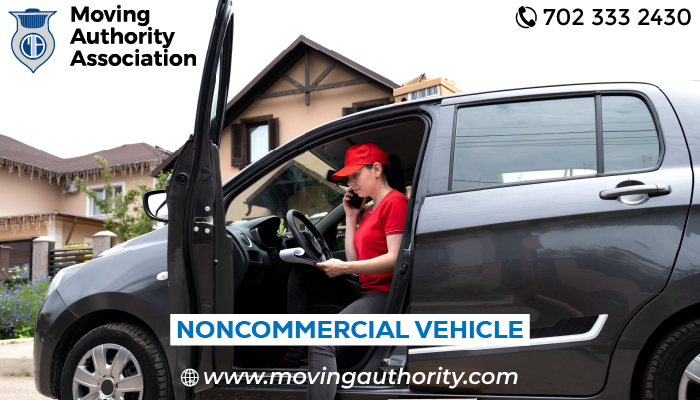
In the sprawling landscape of transportation, the term “noncommercial vehicle” often surfaces, yet its significance eludes many. What lies beneath this seemingly mundane classification? As we delve into the depths of this intriguing category, we will uncover its inherent characteristics, legal definitions, and the underlying reasons behind its widespread fascination. Join us on this insightful journey as we explore the nuances of noncommercial vehicles.
Understanding Noncommercial Vehicles
A noncommercial vehicle is essentially defined as any vehicle that is not used primarily for business or profit-oriented activities. This classification contrasts sharply with commercial vehicles, which are designed for carrying passengers or cargo as part of a business endeavor. Common examples of noncommercial vehicles include passenger cars, SUVs, motorcycles, and small trucks, utilized predominantly for personal use rather than industrial purposes.
Legal Definitions and Classifications
From a legal perspective, the definition of noncommercial vehicles can vary by jurisdiction, but there are some commonalities that generally apply across the board. Typically, these vehicles fall under specific weight thresholds and configurations, which exclude larger vehicles commonly associated with commercial use, such as heavy-duty trucks or buses.
In many regions, noncommercial vehicles are classified by their Gross Vehicle Weight Rating (GVWR), which is the maximum weight a vehicle is rated to safely carry, including its own weight. In most cases, a vehicle with a GVWR of less than 10,000 pounds is considered noncommercial. This classification is crucial, as it not only defines ownership rights but also determines regulatory guidelines, insurance implications, and permissible roadways.
Examples of Noncommercial Vehicles
The spectrum of noncommercial vehicles is vast. Traditional passenger cars, such as sedans and hatchbacks, dominate the category with their streamlined designs and comfort-oriented features. Similarly, SUVs and crossovers have gained immense popularity for their versatility and spaciousness, making them popular choices for families.
Motorcycles, too, fall under this umbrella, serving as both a thrilling mode of transportation and a lifestyle choice for many enthusiasts. In addition to these, light-duty pickup trucks and vans—used for personal errands or recreational activities—also exemplify noncommercial vehicles, providing utility without the commercial designation.
Fascination with Noncommercial Vehicles: Beyond the Surface
What is it about noncommercial vehicles that evokes such interest? Much of this fascination may stem from their ability to symbolize freedom and individuality. The personal vehicle often embodies a person’s identity, aspirations, and lifestyle choices. In the digital age, where social dynamics shift at an unprecedented pace, the vehicle becomes a canvas upon which personal expression is painted—be it through modifications, branding, or mere choice of model.
Another layer to this curiosity is the relationship between consumers and the automotive industry. The continuous evolution of noncommercial vehicles, driven by technological advancements and changing consumer preferences, contributes to an ever-evolving marketplace. From the rise of electric vehicles (EVs) to innovative safety features and connectivity, the possibilities seem limitless, stoking the fires of enthusiasm among potential owners.
Insurance and Legal Implications
Insurance requirements for noncommercial vehicles are often less stringent than those for commercial counterparts. While liability coverage remains essential, many owners opt for lower premiums that align more closely with personal use. However, the nuances of coverage can be intricate; understanding the distinction can prevent pitfalls, particularly if the vehicle is used in a capacity that strays into commercial territory.
Additionally, regulations regarding emissions and safety standards can differ for noncommercial vehicles. Although manufacturers are expected to adhere to specific environmental standards, owners of noncommercial vehicles may be eligible for various tax incentives and rebates, especially if they opt for eco-friendly models. These legal and financial advantages further augment the allure of noncommercial vehicles, making them a focal point in discussions surrounding sustainability and responsible consumerism.
The Future of Noncommercial Vehicles
With the advent of advanced technologies, the future of noncommercial vehicles is poised for transformation. The electrification of personal transportation is not merely a trend; it represents a paradigm shift in how people conceive of movement and ownership. Autonomous driving capabilities and connected vehicles are on the horizon, enticing consumers with promises of safety and convenience.
As societal norms evolve, the concept of ownership itself may be redefined. Car-sharing services and subscription models are gaining traction, suggesting a move away from traditional vehicle ownership toward a more communal approach. Noncommercial vehicles in this context may take on new shapes and forms, becoming more integrated into the fabric of daily life while still retaining their essential personal nature.
Conclusion
The classification of noncommercial vehicles encompasses much more than a mere distinction in use; it is a reflection of our values, aspirations, and lifestyle choices. As we navigate a world increasingly influenced by environmental concerns and technological advancements, the role of noncommercial vehicles will undoubtedly evolve. Understanding this category enhances not only our knowledge but also our appreciation for the subtle intricacies that govern our daily transportation choices. Ultimately, noncommercial vehicles continue to capture our fascination, serving as an enduring symbol of both individuality and freedom in an ever-connected world.










Leave a Comment