Have you ever pondered why some livestock seem to thrive while others struggle, despite seemingly similar diets? One potential answer lies in the concept of crude protein. This essential nutrient plays a pivotal role in animal growth, reproduction, and lactation, yet its complexities can often baffle both farmers and enthusiasts alike. This article will delve deeper into the intricacies of crude protein, demystifying its significance and applications in both animal nutrition and agriculture.
1. Defining Crude Protein
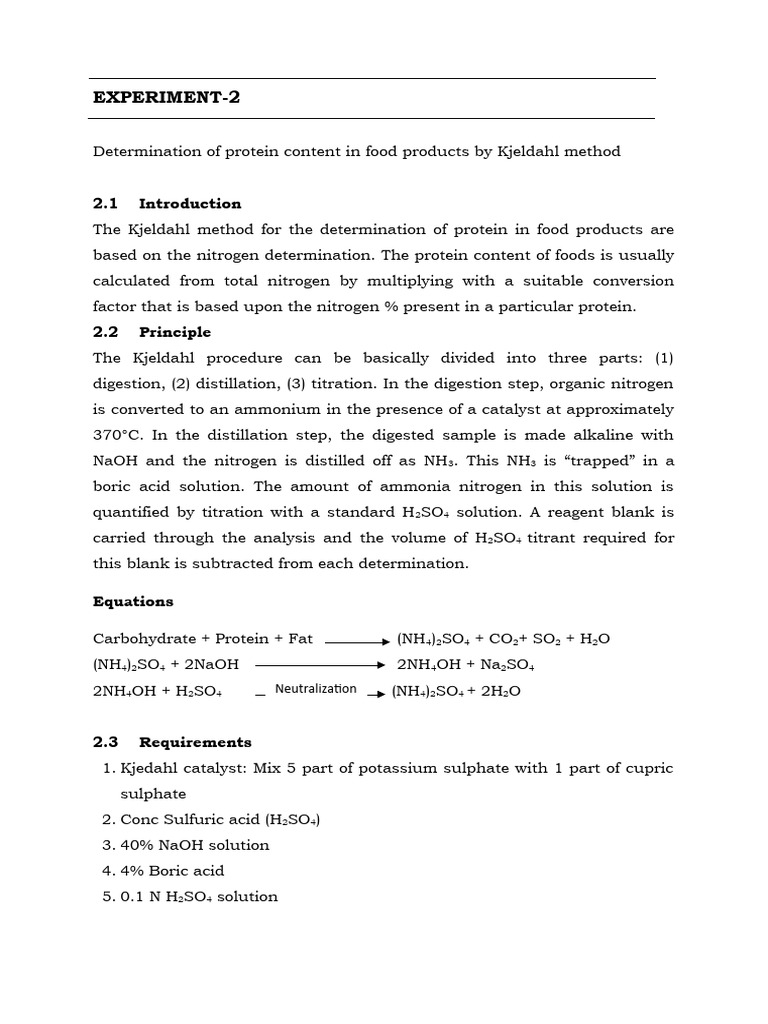
Crude protein is a term that encapsulates the total protein content present in feedstuffs and is calculated based on the nitrogen content of the ingredient. Though it may seem straightforward, the intricacies of this metric reveal a rich tapestry of dietary needs. The term “crude” refers to the methodology used to evaluate protein concentration, which, in its essence, encompasses both the protein that is truly digestible and that which is not. This duality poses an intriguing challenge: while the figure indicates protein levels, it does not specify the quality or availability of these proteins for absorption by the animal.
2. Arithmetic Behind Crude Protein
The calculation of crude protein can be distilled into a deceptively simple formula. It is determined by multiplying the nitrogen content of a feed by a factor of 6.25. This coefficient arises from the average nitrogen content in proteins, approximating that proteins are about 16% nitrogen. However, this calculation introduces an element of imprecision, as not all nitrogen compounds present in feed are derived from protein. Thus, feed samples may present crude protein values that do not directly translate to nutritional benefits. Understanding this arithmetic becomes crucial for anyone invested in animal husbandry.
3. Types of Protein in Animal Diets
Within the spectrum of crude protein, one will encounter two main types: degradable intake protein (DIP) and undegradable intake protein (UIP). DIP is readily broken down by microbes in the rumen, providing necessary nitrogen for microbial growth and ultimately boosting the animal’s protein supply. Conversely, UIP remains undigested in the rumen and is instead absorbed in the intestines, playing a crucial role in specific growth stages or health conditions. This division invites deeper reflection: how do we determine the best protein source for a given animal’s life stage or purpose?
4. Significance of Crude Protein in Livestock Nutrition
Understanding crude protein is not merely an academic exercise; it has profound implications for livestock nutrition and management. Adequate protein intake is vital for several physiological processes, including tissue repair, immune function, and hormone production. In ruminants, for instance, a diet deficient in crude protein can lead to decreased milk production and poor weight gain. Identifying the right balance of crude protein, alongside other nutrients, challenges farmers to tailor individual diets specifically for their animals. This nuanced task can lead to enhanced productivity, but how can one ascertain the optimal protein levels?
5. Common Sources of Crude Protein
Animals obtain crude protein from various feed sources, each offering unique benefits. Common sources include legumes, oilseed meals, and by-products like distiller’s grains. Legumes, such as alfalfa and clover, are particularly valued for their high protein content and palatable nature. Oilseed meals, derived from pressing seeds for oil, are another valuable protein source. However, the quality and digestibility of protein can vary significantly among these feeds, thus necessitating a keen understanding of the nutritional profile for optimal animal performance.
6. The Importance of Protein Quality
It is imperative to recognize that crude protein value alone does not predict the efficacy of dietary protein. Protein quality, which factors in the amino acid profile and the digestibility of proteins, emerges as a critical consideration. Some feeds boast high crude protein content yet lack essential amino acids vital for growth and development. Thus, employing a holistic view that considers both quantity and quality can empower farmers to make informed dietary choices. In this context, how does one ensure a holistic approach to formulating rations?
7. Challenges in Assessing Crude Protein Needs
The task of precisely determining an animal’s crude protein requirements presents its own challenges. Factors such as age, breed, weight, production stage, and health status all influence protein needs. Additionally, individual feedstuffs exhibit variability in nutritional content that can complicate dietary formulations. Optimizing protein intake, therefore, requires diligent monitoring and adjustment, employing a trial-and-error approach, and continuous learning. Can we embrace this challenge to ensure healthy and productive livestock?
8. Conclusion: The Road Ahead
In conclusion, understanding crude protein encompasses much more than recognizing a number; it embodies an intricate dance between science, intuition, and observational acumen. While the quest for equilibrium in animal nutrition may seem daunting, it ultimately leads to healthier animals and more productive systems. As livestock producers navigate the myriad of choices available, an appreciation for crude protein’s role promises to unlock potential like never before. Will we rise to meet this challenge, ensuring our animals receive not just sufficient, but optimal nutrition? The journey awaits!











Leave a Comment