Introduction
In the realm of fire safety and emergency preparedness, the manual call point (MCP) stands as a pivotal component. This crucial device serves as an essential interface between individuals and emergency response systems, enabling quick action during perilous situations. As a proactive measure in various settings—from commercial buildings to public venues—understanding manual call points is imperative for effective safety protocols. This article delves into the nature of manual call points, their types, functionality, and significance in emergency management.
What is a Manual Call Point?
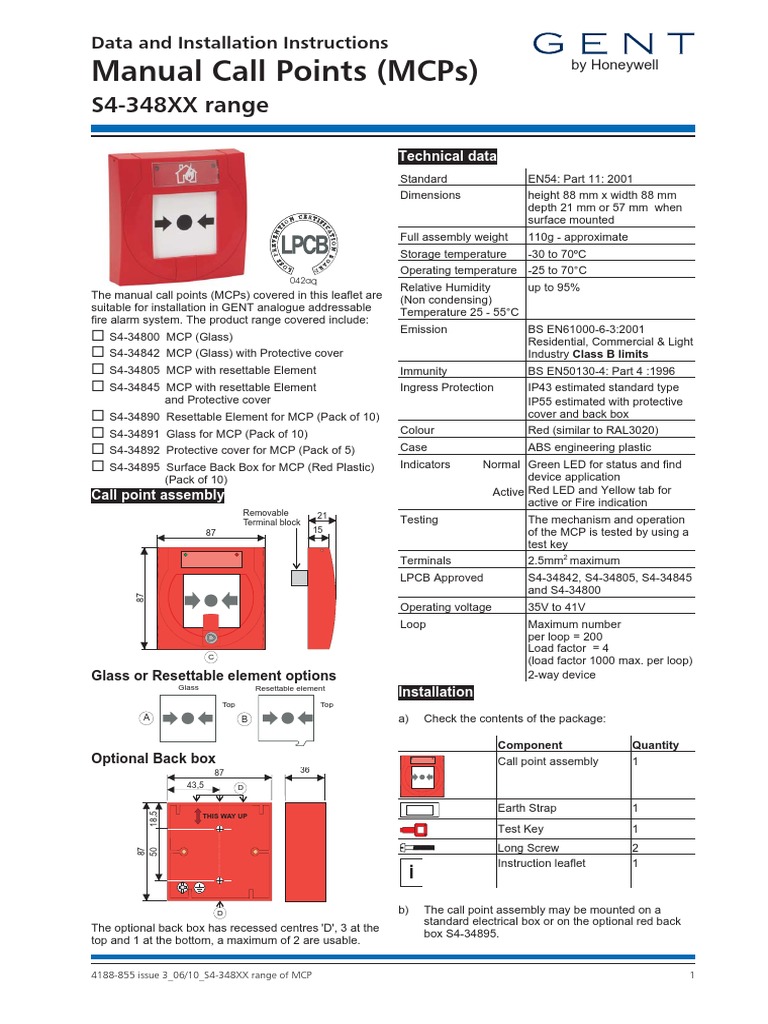
A manual call point is a simplified device that allows individuals to initiate an alarm in the event of a fire or other emergencies. Consisting of a break-glass or push-button mechanism, this device is strategically placed in accessible locations within a structure. The primary purpose is to facilitate immediate reporting, bypassing any delays associated with automatic detection systems.
Types of Manual Call Points
Manual call points vary in design and functionality, catering to diverse requirements based on location and type of facility. The following are prevalent types:
- Glass Break Call Points: These are perhaps the most recognizable design, featuring a glass panel that, when broken, triggers the alarm. The sound of shattering glass serves as a clear auditory cue to others in the vicinity that an emergency has been initiated. While the glass component is traditional, many modern iterations incorporate tougher materials to prevent accidental activation.
- Push-Button Call Points: Offering an alternative to glass break options, push-button call points feature a simple button mechanism. In an urgent scenario, an individual need only press the button to activate the alarm. The straightforward interface reduces the potential for confusion, especially under duress.
- Key-operated Call Points: More secure in nature, key-operated call points require specific keys for activation. These are ideally used in areas where accidental alarm activations must be minimized, such as in locations where children frequent. While it limits access, it also ensures that emergencies are addressed by responsible individuals.
- Weatherproof Call Points: Designed for outdoor environments, weatherproof call points are resistant to varied climatic conditions. Their robust construction protects the internal mechanisms from moisture and debris, ensuring perpetual readiness. These devices are critical in public spaces such as parks and outdoor event venues.
- Smart Call Points: As technology advances, so do call point systems. Smart call points can integrate with modern fire alarm systems, providing real-time data and remote accessibility. Such innovations enhance the efficiency of emergency responses and offer greater insight for facility management.
Key Features of Manual Call Points
Manual call points epitomize several significant features that contribute to their effectiveness, including:
- Visibility: Typically, these devices are conspicuously marked with bright colors and clear signage to ensure they can be easily located in an emergency. The standard red color commonly associated with fire alarms makes them easily recognizable.
- Accessibility: Installed at a height and location that is reachable to all, including those with mobility challenges, manual call points must comply with safety regulations that ensure inclusivity.
- Durability: The construction materials used in manual call points are often robust to withstand the rigors of high-traffic environments. Durability ensures longevity and reliability over time.
Importance of Manual Call Points in Emergency Management
Integrating manual call points into emergency procedures is paramount for numerous reasons:
- Rapid Response: Instant activation of alarms can be analogous to life-saving seconds in a crisis. The swift action enabled by manual call points can trigger a chain of responses, from evacuations to alerting the emergency services.
- Empowerment: Manual call points give individuals agency during emergencies. Knowing they have the capability to activate the alarm fosters a sense of responsibility and enhances overall safety awareness.
- Complementing Automatic Systems: While automatic fire detection systems are invaluable, they can malfunction or be delayed in identifying certain types of emergencies. Manual call points act as a reliable backup to these systems, providing an additional layer of security.
- Training and Education: Implementing manual call points in evacuation drills helps prepare individuals by fostering familiarity with their use. This educational aspect is vital in creating effective preparedness strategies.
Best Practices for Implementing Manual Call Points
To optimize the efficacy of manual call points within any facility, adherence to best practices is essential:
- Regular Inspection and Maintenance: Routine checks ensure that all mechanisms function correctly, and any damaged or non-functional units are promptly repaired or replaced.
- Strategic Placement: Positioning call points in high-traffic areas, unobscured by obstructions, guarantees their visibility and accessibility. Engaging staff in identifying optimal placements can also enhance convenience.
- Comprehensive Training: Providing thorough training sessions for employees can familiarize them with the usage of manual call points and reinforce the importance of their role in emergency scenarios.
Conclusion
Manual call points serve as indispensable instruments in the overarching tactic of emergency preparedness and management. Their function in swiftly notifying others during a crisis cannot be overstated. As the landscape of safety continues to evolve, maintaining awareness of the various types of manual call points, their features, and the best practices for implementation will ensure preparedness remains robust. Ultimately, each call point stands as a reminder that when it comes to safety, every second counts, and proactive measures can indeed save lives.











Leave a Comment