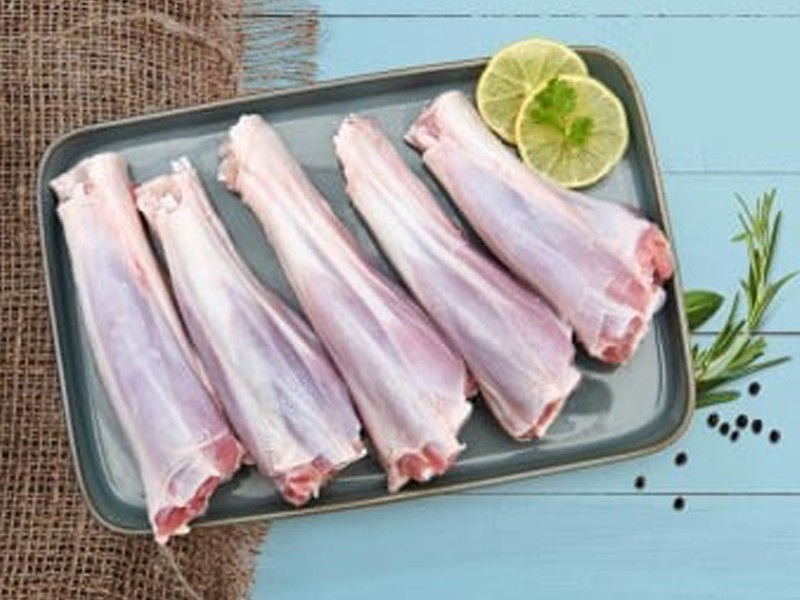
When considering the diverse arena of culinary delights, mutton shank emerges as an enchanting protagonist, seducing the senses with its robust flavors and rustic charm. As a stunning embodiment of culinary heritage, the mutton shank (the lower leg portion of the sheep) captivates both aspiring home cooks and seasoned chefs. This evocative cut not only embodies warmth but also tells stories of communal feasts and hearty family dinners, transcending geographical boundaries. In this article, we embark on a journey to unravel the intricacies of mutton shank, exploring its anatomy, preparation methods, cultural significance, and unique appeal.
The Anatomy of Mutton Shank: A Culinary Canvas
To appreciate mutton shank fully, one must delve into its anatomical structure, which is a definitive canvas for culinary creativity. Composed of hard-working muscle, sinew, and connective tissues, this cut is the epitome of flavor. The resilience of the mutton shank is akin to a seasoned warrior, having borne the trials of life with grace and fortitude. The bones are laced with marrow, providing an exquisite richness that enriches any dish, turning a simple meal into a lavish feast.
The sheer size of the shank is notable, commanding attention on the plate. It typically weighs between one to two pounds, making it a substantial choice for feeding a gathering. The tough muscle fibers require a cooking method that allows them to tenderize, such as braising or slow cooking, transforming the robust textures into a succulent masterpiece.
Preparation Methods: Transforming Toughness into Tenderness
To unlock the full potential of mutton shank, one must embrace culinary alchemy. The process often begins with marinating the cut to infuse it with an array of seasonings—think garlic, rosemary, and aromatic spices that dance in harmony. A marinade not only enhances flavor but also begins to tenderize the meat, paving the way for the magic that follows during cooking.
Following the marinade, the cooking methods truly define the character of the dish. Braising, a technique that marries low heat with long cooking times, is a revered choice for mutton shank. As it simmers gently in a savory broth—often enriched with red wine or stock—the once-tough fibers surrender to tenderness, releasing a depth of flavor that is simply irresistible. Alternatively, slow-roasting in a fragrant mixture of vegetables and spices can also produce a culinary gem, resulting in caramelized exteriors and melt-in-the-mouth interiors.
Cultural Significance: Mutton Shank Across Borders
Throughout history, mutton shank has graced tables across continents, weaving its way into the culinary tapestry of many cultures. In Indian cuisine, it takes center stage in dishes like Rogan Josh, where it is simmered in a sauce infused with the exotic allure of saffron and cardamom. Similarly, Middle Eastern traditions celebrate the mutton shank in rich stews, where spices imbue the meat with a lavish decadence—an ode to the land’s rich pastoral heritage.
In the West, particularly in British and Irish cooking, dishes like Lamb Shank Pie or a traditional Sunday roast with root vegetables pay homage to the nostalgia associated with communal dining. Each culture imbues its preparation with distinctive flavors, painting a panorama of global culinary influences while honoring the humble shank.
The Unique Appeal: A Culinary Metaphor for Comfort
Mutton shank transcends mere sustenance; it embodies comfort, warmth, and nostalgia. The act of cooking this cut is akin to wrapping oneself in a cozy blanket during a chilly evening. Its rich flavors provide an enveloping embrace, inviting us to savor every morsel. It is the centerpiece of gatherings, bringing together family and friends, much like the heart of a home.
The unique appeal of mutton shank lies in its versatility as well; whether served in a rustic stew, elegantly plated with a reduction or in a flavorful curry, it adapts as chameleons do, engaging diverse palates. The marriage of tender meat and savory spices creates a symphony of flavors that resonate long after the last bite—a testament to the enduring allure of this culinary treasure.
The Last Word on Mutton Shank: A Journey Worth Taking
In a world of fleeting food trends, mutton shank stands resilient, echoing the age-old traditions of cooking that honor the land, the livestock, and the community. It bridges gaps between kitchens and cultures, whispering tales of our shared culinary heritage. Relying on slow cooking techniques, it teaches us patience and the beauty that comes with time. Those who embrace mutton shank embark on a journey not just of flavor, but of culture and nostalgia—each bite a reminder of the comfort of home and the joy of gathering around a table. So, next time you encounter mutton shank, seize the opportunity to indulge in this extraordinary cut and experience its unique appeal that has captivated hearts and palates for generations.










Leave a Comment