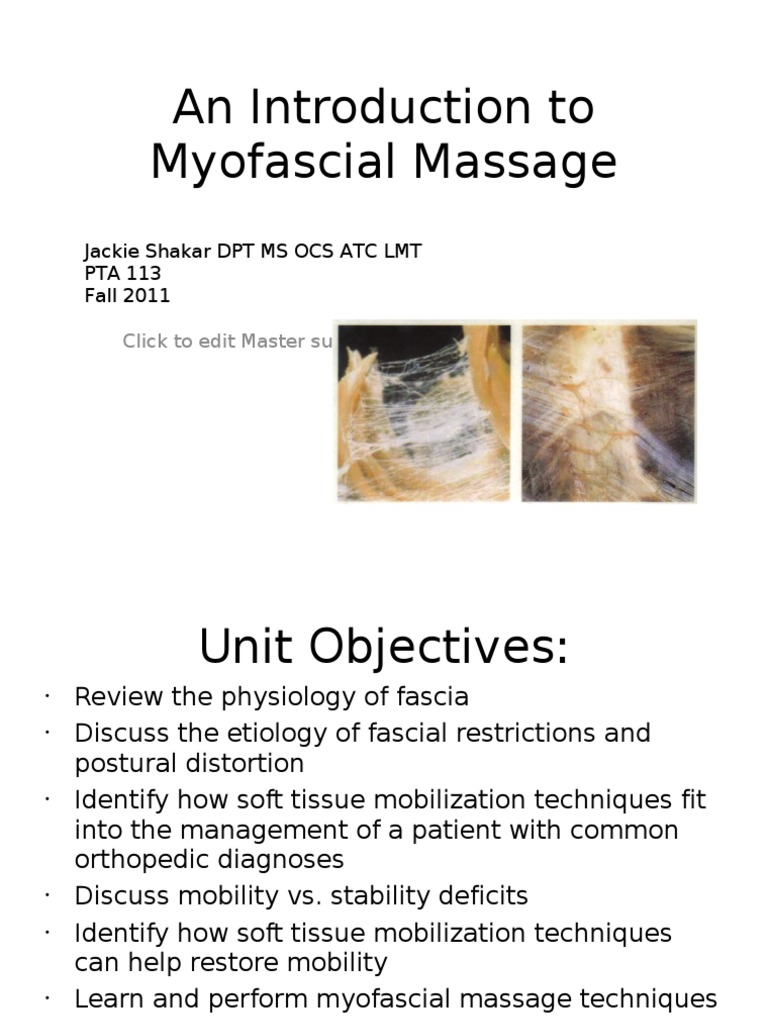
Myofascial massage is an evolving modality, yet many remain unfamiliar with its intricate nuances and profound potential. This technique transcends conventional massage, delving deep into the interconnected web of muscles and fascia that envelops our bodies. Its promise lies not only in alleviating discomfort but also in fostering a newfound perspective on physical well-being. This comprehensive exploration will illuminate the essence of myofascial massage, shedding light on its principles, techniques, benefits, and the elusive mystery that piques curiosity in those seeking holistic health.
Understanding Fascia: The Body’s Support System
To grasp the significance of myofascial massage, one must first understand fascia. This intricate, connective tissue is ubiquitous in the human body, acting as a protective sheath for muscles, bones, and organs. Imagine fascia as a three-dimensional net, intertwining throughout the body, maintaining structural integrity while also permitting mobility. However, this labyrinth can become problematic. Stress, injury, or postural imbalances may lead to restrictions within the fascia, resulting in chronic pain or limited range of motion. Recognizing these intricate relationships forms the foundation of myofascial therapy, which aims to release tension and restore harmony.
Principles of Myofascial Massage
Myofascial massage hinges on several key principles that set it apart from traditional modalities. Firstly, it emphasizes the holistic approach to bodywork. Rather than isolating specific muscle groups, practitioners consider the entire fascial network. Secondly, it acknowledges the mind-body connection, recognizing that emotional and psychological factors can contribute to physical discomfort. Finally, the technique advocates for gentle, sustained pressure, allowing the fascia to release and realign naturally, rather than forcing immediate change. This nuanced understanding fosters a deeper connection between the therapist and the recipient, leading to a more profound release of tension.
Techniques Employed in Myofascial Massage
Practitioners utilize an array of specialized techniques to facilitate the rhythmic release of fascial restrictions. One common approach is known as myofascial release, which employs slow, sustained pressure applied to specific fascial tightness. The practitioner often uses their hands, elbows, or even specialized tools to gently manipulate the fascia. This meticulous technique encourages the tissue to elongate and promotes blood flow, thereby accelerating the healing process.
Another technique involves stretching and elongating the fascia in various directions, fostering flexibility and mobility. This can include dynamic stretching where the practitioner guides the recipient through movements that engage the entire fascial chain. Additionally, the use of tools like foam rollers can supplement manual techniques, allowing individuals to self-administer myofascial release at home.
Benefits of Myofascial Massage
The benefits of myofascial massage are as diverse and intricate as the technique itself. One of the most immediate advantages is the alleviation of chronic pain. By targeting the fascia, practitioners can relieve tension that may otherwise lead to discomfort, offering relief from conditions such as fibromyalgia, headaches, and lower back pain.
Moreover, this modality enhances athletic performance by improving flexibility and range of motion. Athletes often attest to the efficacy of myofascial massage in preparing their bodies for rigorous activity while facilitating quicker recovery. The emphasis on alignment creates a neural recalibration, allowing for more efficient movement patterns.
Additionally, myofascial massage fosters relaxation and reduces stress. By addressing both the physical and emotional components of tension, recipients often experience profound calm and diminished anxiety. The therapeutic touch encourages a release of endorphins, igniting a sense of well-being that resonates far beyond the massage table.
Exploring Beyond the Pain
Myofascial massage’s allure also resides in its potential to spark a transformative shift in perspective one might not anticipate. This approach transcends temporary relief, urging individuals to investigate the root causes of their discomfort. As recipients become more attuned to their bodies, they discover the interconnectedness of physical, emotional, and mental health.
This holistic awareness not only facilitates healing but also cultivates a proactive approach to self-care. Individuals may begin to understand the significance of posture, breath, and movement in maintaining their physical integrity. This newfound perspective empowers them to take ownership of their health, leading to positive lifestyle changes that propagate beyond the confines of the massage.
Conclusion: Embracing the Journey of Myofascial Massage
In essence, myofascial massage serves as a bridge to greater understanding—one that interlaces the complexity of the body with the simplicity of relief. As individuals embrace this journey, they uncover not only the intricacies of their physicality but also the potential for lasting change in their well-being. Myofascial massage offers promise, piquing curiosity while inviting a holistic approach to self-care. It’s an odyssey of exploration, patiently unraveling the layers of tension while weaving together a tapestry of health that resonates deeply within.











Leave a Comment