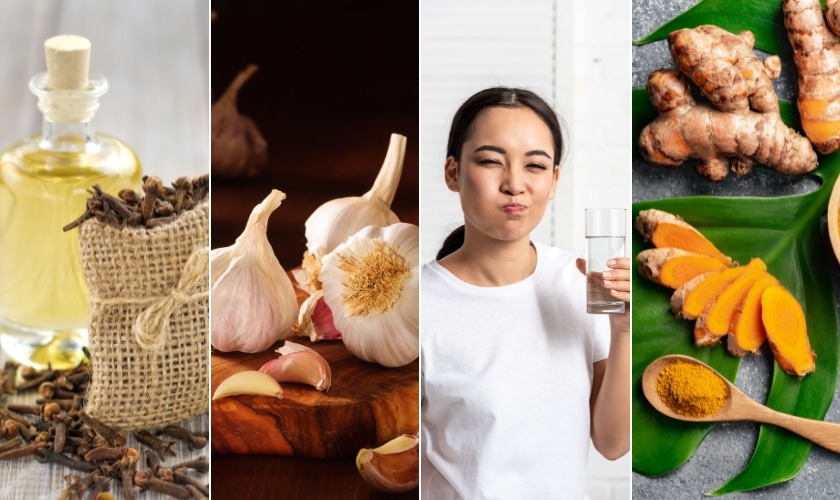
When it comes to dental concerns, few things can be as distressing as a tooth infection. The throbbing pain, swelling, and sometimes even fever can leave anyone feeling overwhelmed. But what if the answer to alleviating this discomfort could be found in nature rather than the pharmacy? Enter the world of natural antibiotics, where solutions often lie just beyond the realm of conventional medicine. So, what is the strongest natural antibiotic for tooth infection, and could it be hiding right in your pantry or garden?
Tooth infections, typically the result of untreated cavities or gum diseases, invite bacteria into the pulp of the tooth. This can lead to a slew of complications, including swelling, abscesses, and systemic infections if left untreated. While modern antibiotics are a common intervention, they often come with side effects and, at times, antibiotic resistance. Thus, many individuals are in search of natural alternatives that might help alleviate the symptoms until professional dental care can be sought.
Let’s dive into the realm of natural antibiotics, exploring some of the most potent contenders that could potentially assist in fighting tooth infections.
1. Garlic: The Nature’s Antibiotic
Known for its pungent aroma and culinary uses, garlic also boasts remarkable antimicrobial properties. Allicin, a compound found in garlic, possesses the ability to inhibit the growth of bacteria. When consumed raw or applied as a paste on infected areas, it may offer relief from pain and promote healing. However, the bold flavor may take some getting used to, reminiscent of a hefty dose of robust Italian cuisine.
2. Ginger: The Anti-Inflammatory Powerhouse
This ubiquitous spice is not just for warming tea on a chilly day; ginger also has formidable anti-inflammatory and antibacterial effects. By reducing inflammation caused by tooth infections, ginger can mitigate swelling and tenderness. Whether steeped in hot water or chewed raw, its efficacy might just surprise you. Are you willing to embrace its fiery zing for dental health?
3. Turmeric: The Golden Savior
Turmeric is celebrated in various cultures not merely as a spice but as a natural remedy. Curcumin, the active compound in turmeric, exerts antibacterial and anti-inflammatory properties. Formulating a paste with turmeric and water or coconut oil can create an effective topical application for infection. However, its vibrant yellow hue may leave your mouth looking quite the mess — a small price to pay for potential relief!
4. Clove: Nature’s Anesthetic
Clove oil, derived from the dried flower buds of the clove tree, stands out for its effectiveness in dental applications. Eugenol, its primary component, boasts both anti-inflammatory and analgesic properties. A few drops of diluted clove oil applied directly to the affected area can provide immediate pain relief and assist in combating the infection. What do you think? Would you trade the traditional numbing agents for this natural alternative?
5. Oregano Oil: A Potent Antimicrobial
This aromatic herb, often associated with Mediterranean cuisine, has an oil that can challenge a variety of pathogens. Oregano oil contains carvacrol and thymol, which have been shown to possess significant antibacterial capabilities. Diluting oregano oil and applying it to the affected area or incorporating it into your diet might amplify your defense against infection. Are you ready for an herbaceous twist in your dental regimen?
6. Honey: The Sweet Healer
Honey, particularly Manuka honey, is renowned for its natural healing properties. It harbors hydrogen peroxide and has an osmotic effect that draws moisture away from bacteria, thereby inhibiting their growth. Applying honey directly to the affected tooth can help soothe pain and accelerate healing. A sweet solution indeed, but who would have thought that something so delightful could pack such medicinal punch?
7. Neem: The Ancient Remedy
Used extensively in traditional medicine, neem leaves are infamous for their antibacterial and anti-inflammatory properties. Chewing neem leaves or using neem oil diluted in a carrier oil might aid in treating tooth infections. This might require some acquiring of taste, though, as neem’s bitterness can be a challenge for many. Could you muster the courage to make this ancient remedy part of your healing process?
The effectiveness of these natural remedies can vary from person to person, and while they may provide temporary relief, it’s essential to consult with a healthcare professional for persistent symptoms. After all, tooth infections can have serious consequences if left untreated. Moreover, these natural solutions should be regarded as supplementary to, rather than replacements for, professional dental advice.
In conclusion, the journey of finding the strongest natural antibiotic for tooth infections is both enlightening and challenging. With substances such as garlic, ginger, turmeric, and clove oil at your disposal, you may find alternative methods to alleviate discomfort. These ingredients possess remarkable qualities, often accessible within the confines of your kitchen or garden—all while sparking a question: Are you ready to embrace nature’s arsenal in your fight against tooth infections? The choice, and the path to vibrant oral health, lies in your hands.











Leave a Comment