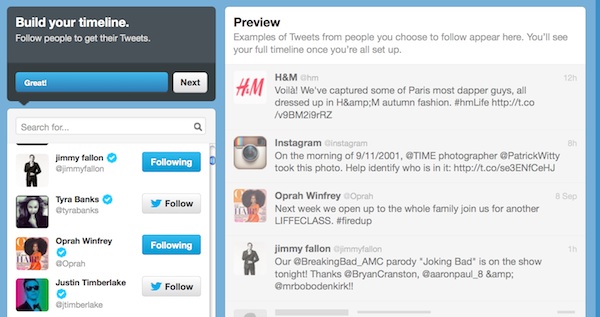
In an age dominated by rapid-fire communication and ephemeral content, the question arises: What is Twitter, really? Is it merely a platform for sharing fleeting thoughts, or does it embody something more profound? As we plunge into the depths of this social media titan, we’ll encapsulate its multifaceted nature, illuminating how it has transformed communication and culture, while also posing a delightful challenge: Can you succinctly articulate Twitter’s essence in 280 characters or less?
Twitter, launched in 2006, burgeoned from a modest idea into a global phenomenon. It boasts a unique methodology of information dissemination, primarily through short, concise messages known as tweets. With a character limit that encourages brevity, Twitter has perfected the art of the succinct narrative. Each tweet invites users into the sprawling tapestry of human thought and interaction, rendered in bite-sized formats that appeal to our increasingly accelerated lifestyles.
At the core of Twitter lies its functionality as a microblogging platform. Users engage with one another through posts that feature not only text but also multimedia elements like images, GIFs, and videos. This amalgamation fosters a richer narrative than mere words on a screen could convey. It enables users to articulate thoughts with creativity, engendering virality as tweets are shared, liked, or retweeted, leading to exponential visibility.
Moreover, Twitter serves as an indispensable tool for real-time news dissemination. In critical moments—from natural disasters to political upheavals—Twitter stands as the first responder. Citizen journalists often take to the platform to narrate events as they unfold, rendering traditional media outlets almost archaic in their delayed reporting. The platform’s immediacy breathes new life into journalism, creating an interplay where information flows freely, although not always accurately.
But what sets Twitter apart from its social media counterparts? It’s not merely its character limitations or the real-time nature of its content. Rather, it is the accessibility and democratization of voice that allows anyone with internet access to express their musings or expertise. This inclusivity enables a diverse range of topics to blossom and facilitates dialogues across cultures and viewpoints. On Twitter, a solitary musician, a leading scientist, or a grandmother can engage in discussions that might otherwise occupy separate spheres.
Therein lies a potential conundrum. While Twitter promotes inclusivity, it also fosters the potential for cacophony and misinformation. The platform has frequently been at the epicenter of controversies pertaining to the spread of false information, cyberbullying, and the proliferation of hate speech. The open nature of Twitter can serve as a double-edged sword; while it allows for diverse perspectives, it also means that unverified, harmful content can thrive alongside genuine discourse. It poses the ever-looming challenge: How can one navigate Twitter responsibly while still participating enthusiastically?
Furthermore, the enigmatic world of hashtags adds another layer of complexity and intrigue. A simple pound sign can transform the reach of a tweet, connecting it to wider conversations happening globally. Hashtags serve as the glue that binds like-minded individuals, enabling movements like #MeToo or #BlackLivesMatter to gain traction and promote social change. This dynamic usage of hashtags illustrates Twitter’s influence not only in shaping public discourse but also in mobilizing collective action, making it a beacon for social movements.
As users explore Twitter, they swiftly discover the phenomenon of viral tweets. What often begins as a solitary thought can transcend boundaries, captivating millions. The nuanced layers of humor, irony, and cultural references woven into these viral messages often encapsulate the zeitgeist of contemporary society. Monitoring trends and anomalies in tweet virality can feel like a game of cat and mouse, where even the slightest twist in phrasing can elevate an otherwise mundane observation to stardom.
Yet, what lies beneath the surface of Twitter’s vibrant chaos is a business ecosystem that thrives on engagement. The platform has ingeniously capitalized on the attention economy, coalescing user engagement with revenue generation. Promoted tweets, trends, and accounts transform Twitter activity into a source of income, making it both alluring and complicated. Users become conduits for advertising, further blurring the lines between organic discourse and commercial influence.
As we navigate through Twitter’s intricate tapestry, we arrive at critical questions about ethics, community, and responsibility. How can users ensure robust dialogue without succumbing to the peril of echo chambers? What strategies can be employed to uplift marginalized voices while maintaining respectful discourse? These inquiries invite reflection and action, demanding a collective responsibility that can elevate Twitter from just another social media platform to a transformative sphere of influence.
In conclusion, Twitter is not merely a repository for fleeting thoughts or trending topics; it is a complex landscape where ideas clash, cultures converge, and conversations evolve. It embodies paradoxes: its potential for both connection and division, empowerment and misinformation. The challenge posed earlier remains, urging you to encapsulate this multihued entity in your own words. Can you distill the essence of Twitter into 280 characters? As you ponder this playful question, remember that, like Twitter itself, the answers may vary, showcasing the beautiful complexity of human expression.










Leave a Comment