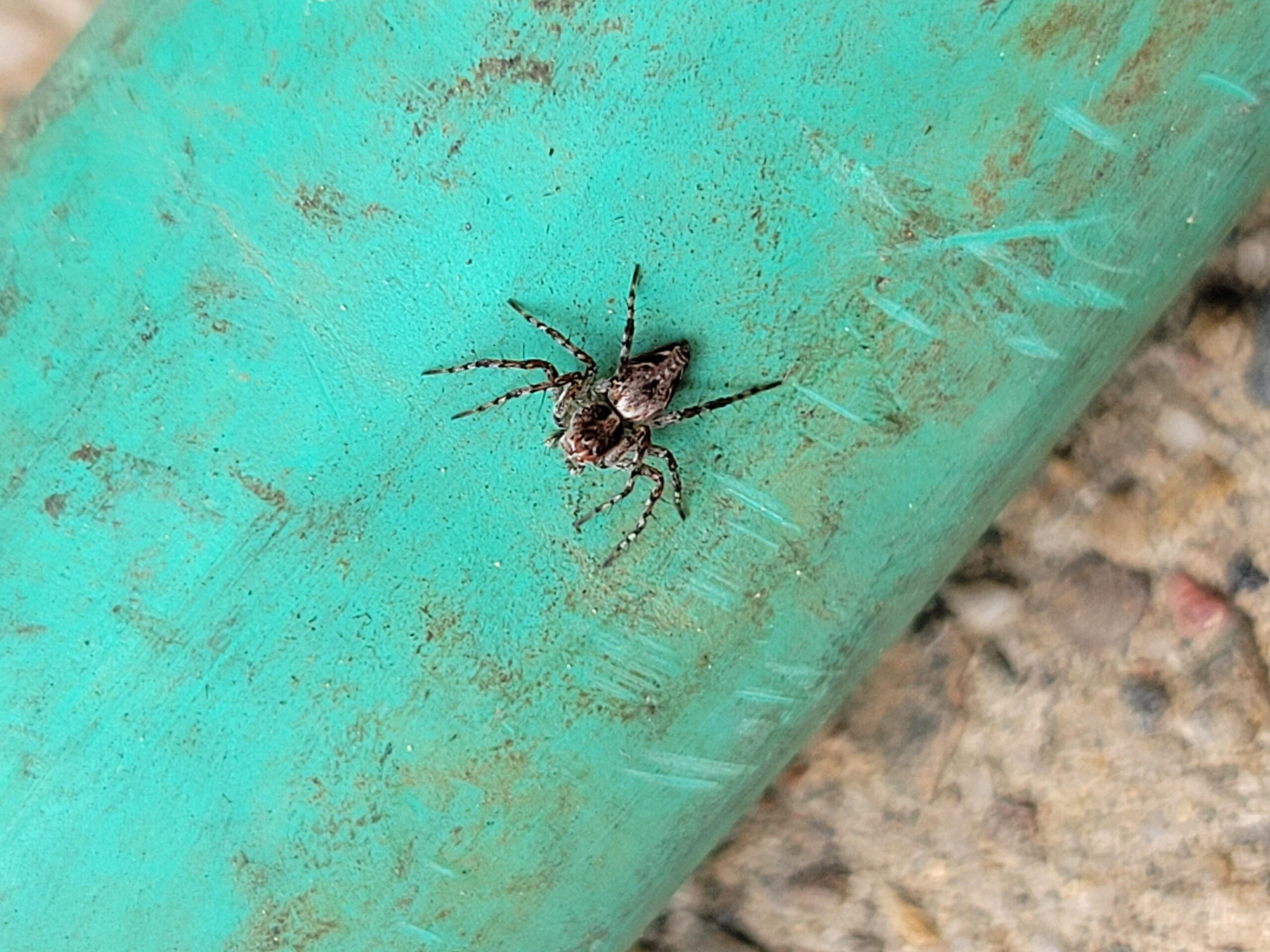
In the sun-soaked city of Sacramento, where the landscape dance with vibrant hues of gold and green, resides a myriad of creatures, each more peculiar than the last. Among them are the spiders, enigmatic architects of webs that shimmer like morning dew. But not all of these eight-legged inhabitants are merely passive observers of life; some are inclined to bite more than once, transforming their predatory tactics into a fearsome dance of survival. Understanding these arachnids offers a glimpse into their unusual behavior, particularly in a place where nature’s beauty juxtaposes a lurking danger.
The behavior of a spider delivering multiple bites can be likened to an artist obsessed with perfection, who delicately layers their masterpiece until it captures the gaze of all who see it. Much like this obsessive artistry, certain Sacramento spiders have evolved to exhibit unique biting behaviors, painting a vibrant yet cautionary tale regarding their interactions with both humans and prey.
The Brown Recluse: Hidden Threats
One of the more notorious bite-happy artists of the spider world is the Brown Recluse. Cloaked in dusty browns and yellows, this spider thrives in hidden corners, often evading detection. The reclusive nature of this arachnid belies a potent venom that can induce severe reactions in humans. Located primarily in areas such as the southern regions of Sacramento, the Brown Recluse tends to strike when threatened, with reports indicating that it can deliver multiple bites in rapid succession if it feels compelled to defend itself. This act of aggression is often misconstrued as a singular event, but it can indeed escalate into a flurry of bites, akin to a painter frantically brushing colors together to escape a daunting blank canvas.
The Black Widow: A Lesson in Darkness
Equally evocative and dangerous is the Black Widow, characterized by her glossy ebony exterior and the telltale hourglass marking on her abdomen. This creature embodies ambivalence; her beauty is both alluring and treacherous. In an enthralling display of defensive tactics, the Black Widow bites more than once to ensnare her prey or when her territory is invaded. This biting behavior, springing from primal instincts, showcases a predatory strategy that is both lethal and fascinating. Her bites can be likened to a fleeting shadow at dusk—intensely felt, yet often fleeting in their impact unless disturbed. A single bite can sent shockwaves through the body—a harbinger of trouble waiting to unfold.
The Wolf Spider: Stealthy Resilience
Embodying meticulous patience, the Wolf Spider roams with an air of confidence, eschewing the traditional silk concoction of other spiders. This agile hunter employs quick strikes, often leading to multiple bites during a single encounter. Named for their predatory prowess, Wolf Spiders can launch rapid assaults, an unyielding testament to their adaptability within their Sacramento habitat. Their bites can occur in a predatory frenzy, where multiple attempts at catching slippery prey result in a flurry of bites. Each encounter is a vivid portrayal of survival, a raw yet beautifully orchestrated ballet of nature that balances aggression with necessity.
The Yellow Sac Spider: The Underrated Aggressor
There’s an intriguing dimension to the Yellow Sac Spider, often overshadowed by the more renowned species. Beneath its unassuming yellow visage lies a voracious desire to defend its territory. Typically lurking in their silk retreats, these spiders are quicker to bite than their more colorful counterparts. When provoked, they may release several rapid bites like a painter splattering paint onto a canvas in frustration, leaving behind a mark that lingers. Sacramento residents may encounter these elusive artists of the night, mistakenly believing their bites are mere pinpricks; however, the reality of venom can render the experience far more poignant.
Ecological Significance of Multiple Bites
Beyond the canvas of fear and intrigue lies the ecological importance of multiple bites among these spiders. In the grand theatre of nature, bites serve as a mechanism for population control. By reducing the abundance of pests, these arachnids contribute immensely to the balance of Sacramento’s ecosystems. As they weave their webs and strike with precision, they inadvertently ensure that other organisms, be they insect or human, do not tip the scales of harmony. Their multiple bites are not just acts of aggression, but rather necessary reminders of the cycle of life, a poetic interlude in the grand narrative of existence.
Conclusion: The Dance of Nature
In the vibrant tapestry of Sacramento’s ecosystems, the spiders that bite multiple times embody a dynamic interplay between beauty and peril. Like skilled artists shaping a narrative, these arachnids create a vivid reminder of the delicate balance required for survival. Each bite tells a story—a fusion of instincts, habitats, and environmental needs. While the foreboding nature of these creatures may incite trepidation, it is equally essential to appreciate their role as vital players within the intricate web of life. As we navigate our paths through the sun-drenched streets and dappled parkways of Sacramento, let us carry with us the knowledge that even the most fearsome beings are intricately woven into the story of existence, bringing with them both caution and reverence.










Leave a Comment