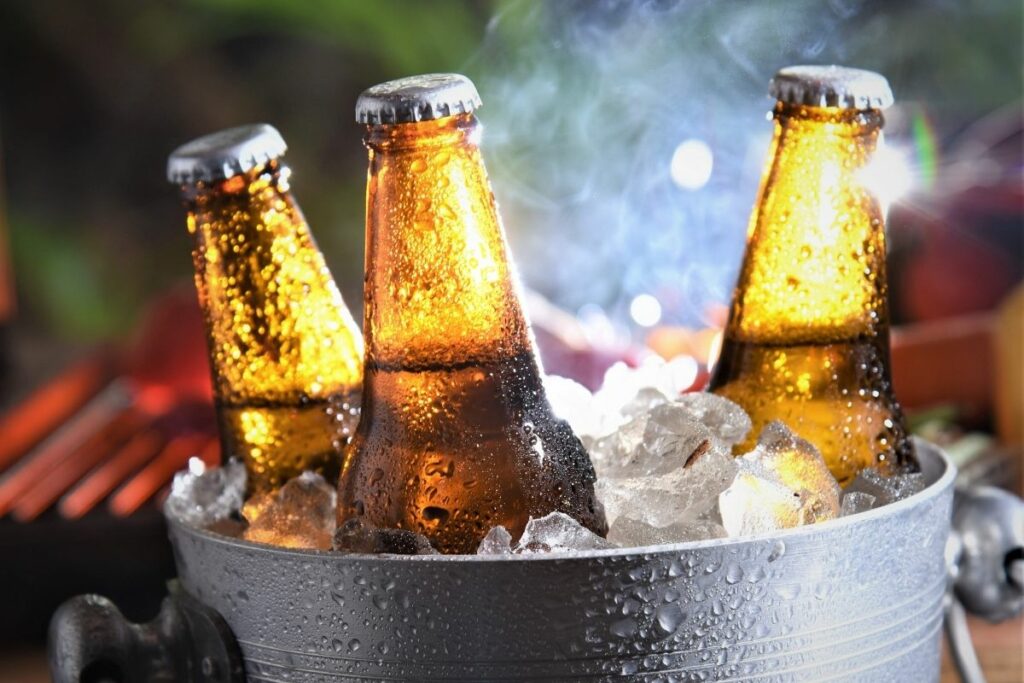
Beer enthusiasts and casual drinkers alike may have pondered the intriguing question: at what temperature does beer freeze? Understanding this phenomenon requires consideration not only of the beer’s composition but also of its environment. Beer consists primarily of water, which freezes at 32°F (0°C), but the other ingredients—including alcohol, sugars, and various flavoring agents—can significantly alter this freezing point. In this article, we will delve into the factors influencing the freezing point of beer, explore different types of beer, and provide practical insights for those who wish to enjoy their brews at the optimal temperatures.
1. The Science Behind Beer’s Freezing Point
The freezing point of beer is influenced primarily by its alcohol content. Most beers have an alcohol by volume (ABV) ranging between 4% and 6%, which can lower the freezing point to a range of approximately 28°F to 30°F (-2°C to -1°C). Higher alcohol content beers, like some IPAs or stouts, may have freezing points even lower than this due to their increased ethanol levels. Conversely, lighter beers with lower alcohol content may freeze at temperatures closer to that of water.
2. Different Types of Beer and Their Freezing Points
When discussing the various types of beer, one cannot overlook the diversity that exists within beer styles, each with unique formulations and characteristics. Here’s a closer look at several popular beer types and their approximate freezing points:
- Lager: Generally brewed at cooler temperatures, lagers tend to have an ABV ranging from 4% to 5%. They typically freeze around 28°F (-2°C).
- Ales: With a slightly higher fermentation temperature, ales, including pale ales or amber ales, maintain an ABV between 4% and 6%. Their freezing point hovers around 28°F to 30°F (-2°C to -1°C).
- Stouts: Rich and robust, stouts can range from 5% to upwards of 10% ABV in the case of imperial stouts. These beers may not freeze until they reach temperatures as low as 26°F (-3°C).
- Barleywines: Known for their high alcohol content, generally between 8% and 12%, barleywines can withstand even lower temperatures—freezing at around 24°F (-4°C).
- IPAs: IPAs vary greatly but often clock in between 5% to 7% ABV. Expect these to freeze around 27°F to 29°F (-3°C to -2°C).
This variance across beer types is essential to recognizing how temperature impacts the quality and taste of your beverage.
3. The Environment of Beer Storage
In addition to composition, the environment in which beer is stored can decisively alter the point at which it freezes. Factors include:
- Storage Temperature: Keeping beer in a freezer is one of the most sure-fire ways to risk freezing it. Regular temperatures that hover around or drop below freezing should be approached with caution.
- Container Type: The type of container also plays a role. Bottled beers, especially those in dark glass, are less susceptible to freezing than cans due to the insulation offered by the bottle’s thicker walls.
- Carbonation Levels: Higher carbonation levels can contribute to lower freezing points, providing yet another dimension of complexity to the freezing behavior of beer.
4. Consequences of Freezing Beer
Freezing beer might seem innocuous at first glance, yet doing so can lead to notable consequences. Understanding these risks is crucial, particularly for enthusiasts who regard their beer as a curated sensory experience. When beer freezes, it can:
- Alter Flavor Profile: The freezing process can concentrate flavors, as ice doesn’t contain alcohol or any flavor compounds. This can lead to an uneven flavor distribution once thawed.
- Change Carbonation Levels: Freezing can affect carbonation, and once the beer thaws, it may taste flatter or more syrupy than intended.
- Risk Container Damage: Cans and bottles can crack or burst under frozen conditions, leading to a messy and disappointing clean-up.
5. Practical Tips for Enjoying Your Beer
To enjoy your beer at its finest, consider adopting the following practices:
- Avoid Freezing: If you inadvertently place your beer in the freezer, set a timer to ensure you retrieve it before it reaches sub-zero temperatures.
- Utilize a Cooler: Instead of freezing your canned or bottled beer, store it in a cooler filled with ice. This will effectively chill your beer without the risk of freezing.
- Opt for Temperature Control: Maintain a refrigerator temperature between 38°F and 42°F (3°C to 6°C) for optimal flavor and enjoyment.
In conclusion, the freezing point of beer is not merely a fixed temperature but an intricate interplay of alcohol content, type of beer, and storage conditions. The range of freezing points among different styles offers insight into how best to enjoy your selection. Whether you gravitate towards the crispness of a lager or the hearty richness of a stout, being aware of these characteristics can significantly enhance your beer experience. With prudent practices in mind, you can savor every sip without the worry of temperature-induced mishaps.








Leave a Comment