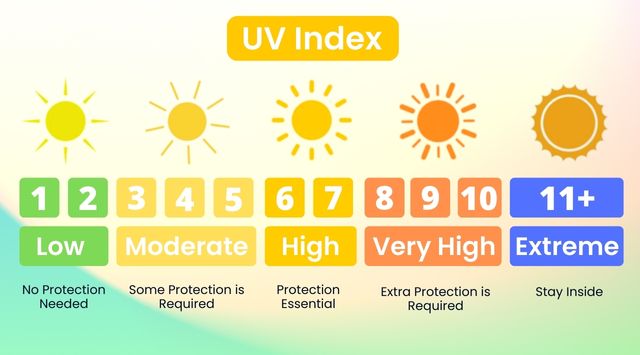
As summer rolls around and the sun beckons, many of us ponder a delightful question: “What UV index is best for tanning?” The quest for that sun-kissed glow can often turn into a challenge, especially when we consider the delicate balance between achieving a bronzed complexion and protecting our skin from harmful UV rays. Let’s delve into the intricacies of UV index levels and how they influence your tanning experience.
The UV index, which measures the strength of ultraviolet radiation from the sun, is imperative to understand for anyone looking to tan. The scale typically ranges from 0 to 11+, with lower numbers indicating minimal risk of harm and higher numbers suggesting urgent caution. For those seeking a coveted tan, it’s essential to find that sweet spot on the index where the rays can effectively darken your skin without inflicting damage.
Initially, let’s analyze the implications of different UV index levels:
- UV Index 0-2: Low
At this level, the sun’s rays are relatively weak. Tanning is not a viable option. While you can bask in the sunshine without significant risk, any change in skin tone will be minimal and will take much longer, inevitably leading to frustration.
- UV Index 3-5: Moderate
This range presents a slightly improved opportunity for tanning. Although the risk of harm is still present, having a session this time of year could yield some color, particularly for those with medium to darker skin tones. Protective measures, such as sunscreen with a lower SPF, may still be advisable.
- UV Index 6-7: High
You’ve hit the jackpot! Tanning becomes far more effective at these levels. The rays can stimulate melanin production, leading to that deeper tan everyone desires. However, caution is still paramount. Limit exposure to around 30 minutes, and always apply sunscreen to mitigate skin damage.
- UV Index 8-10: Very High
This index signifies a potent opportunity for tanning but at a considerable risk. At these levels, skin damage can occur within minutes. While you may achieve a quick tan, the potential for burns increases significantly. It’s crucial to utilize broad-spectrum protection and limit your time in the sun.
- UV Index 11+: Extreme
At this level, exposure can lead to severe consequences in a matter of moments. Tanning is not advisable; rather, intense sun exposure warrants complete avoidance. Opt for shaded areas or protective clothing during peak sunlight terms.
Now that we’ve established how the UV index influences tanning, what strategy should one adopt to achieve the perfect golden glow? It’s a blend of art and science.
1. **Timing is Key**: The sun’s intensity varies throughout the day. Typically, the UV index peaks around noon — between 10 AM and 2 PM. Though it’s the most effective time for tanning, it aligns with the highest risk. If you’re determined to tan during these hours, ensure you don’t exceed recommended exposure times.
2. **Skin Type Matters**: Different skin types react uniquely to UV exposure. People with fair skin may find that even a moderate UV index can lead to burns, while those with olive or darker complexions might tolerate higher indices more successfully. Understand your skin’s response and tailor your tanning strategy accordingly.
3. **Consider Weather Conditions**: Partly cloudy days can alter the dynamics of the UV index. Though clouds may block direct sunlight, UV rays can still penetrate. Always check the UV index on a cloudy day and adjust your tanning practices accordingly.
4. **Hydration is Fundamental**: While bronzing under the sun, your skin can become dehydrated. Drinking plenty of water helps in maintaining skin elasticity and appearance. Consider applying moisturizers before and after your tanning sessions to retain hydration.
5. **Observe the Aftermath**: After a tanning session, give your skin adequate time to recover. Being mindful of any redness or irritation can guide future exposure and help refine your tanning strategies. Prioritize nourishment with aloe vera or soothing creams to alleviate irritation and encourage skin repair.
In summation, the best UV index for tanning is generally considered to lie within the 6-7 range, where the rays can engender a desirable coloration without overwhelming risk. However, safety should always remain paramount. Understanding your skin type, timing your sessions wisely, and staying hydrated are crucial to ensuring that your tanning journey is both successful and safe.
As we bask in the sun during warmer months, let’s embrace this delightful challenge—finding the right UV index for that captivating tan. Nevertheless, remember that the deepest glow of confidence comes not just from bronzed skin, but from making informed and responsible choices under the sun.









Leave a Comment