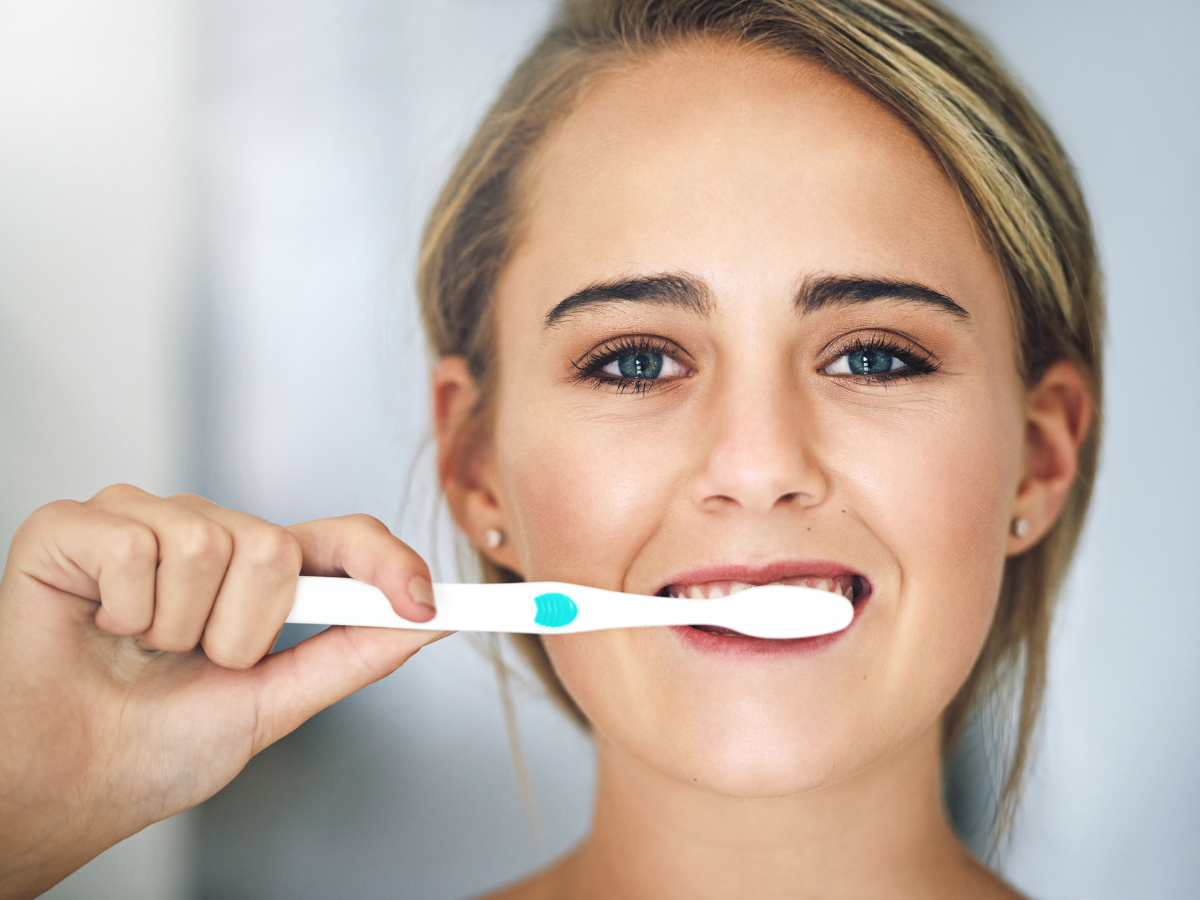
When a tooth is extracted, it can feel akin to a ship losing its anchor—suddenly, the surrounding waters of oral routine become tumultuous. The removal creates a void that needs careful attention, not just from your dentist but also from you, the navigator of your dental health. Post-extraction, one of the most pressing questions arises: “When can I brush my teeth?” The path to recovery requires a gentle navigation through guidelines that help steer clear of complications while still maintaining proper hygiene.
Before delving into specifics, it is imperative to understand the significance of oral hygiene, especially after a surgical procedure. Maintaining cleanliness is paramount in promoting healing and preventing infections. However, excessive disturbance to the extraction site can lead to complications like dry socket, an unwelcomed guest in the realm of dental healing. With that in mind, let’s chart a course through the waves of post-extraction dental care.
1. Immediate Care After Extraction
In the immediate aftermath of a tooth extraction, your dentist will provide specific instructions, often akin to a captain’s orders before embarking on a voyage. For the first 24 hours, the key focus should be on settling into the recovery process. During this time, avoid brushing your teeth altogether, especially around the extraction site. Instead, allow the clot that forms at the extraction site to stabilize—a critical barrier against pathogens that threaten your swift recovery.
2. The 24-Hour Rule
Think of the first 24 hours post-extraction as the eye of the storm. It is crucial to abstain from brushing to give your mouth time to adjust. After this period, when the initial phase of acute healing begins, you may be cleared to resume gentle oral hygiene practices. However, a careful approach is paramount. Consider using a soft-bristled toothbrush, as it will feel like a gentle caress against your gums, ensuring you don’t disturb the healing area.
3. The Art of Brushing
When you do begin brushing, think of it as an artist returning to a canvas—gentle strokes can create a masterpiece while heavy-handedness can lead to chaos. Brush your teeth gently, steering clear of the extraction site. Use short, soft strokes and consider tilting your toothbrush at a 45-degree angle to maximize contact with teeth while minimizing disturbances. The art of brushing post-extraction lies in the delicate balance of maintaining hygiene without compromising healing.
4. When to Reintroduce Mouthwash
Just as a ship requires the right winds for a successful voyage, oral hygiene requires appropriate tools. After the first 24 hours, your dental professional might recommend an alcohol-free mouthwash to help keep your mouth clean without risking irritation to the extraction site. You can gently swish the mouthwash around, being careful not to create a vigorous whirlpool that could dislodge the healing tissue.
5. The Importance of Hydration
In addition to brushing, hydration is crucial post-extraction. Drinking ample fluids ensures your body can effectively perform the healing process. Imagine your body as a bustling city—a well-hydrated system keeps everything running smoothly. However, refrain from using straws for at least a week, as the suction can lead to dislodging the clot, akin to a sudden storm disrupting calm waters.
6. Signs of Complications
As you navigate the waters of recovery, remain vigilant for signs that may indicate trouble on the horizons of your healing journey. Increased pain, swelling, or a foul odor emanating from the extraction site can signal the potential onset of complications such as dry socket or infection. Should you encounter these signs, it’s essential to dock your ship and consult with your dentist without hesitation to receive timely intervention.
7. Returning to Regular Oral Hygiene
As the healing progresses, you will eventually return to your full oral hygiene regimen, akin to a ship regaining its balance after the storm. Typically, after three to seven days, if the healing is proceeding well, you should be able to brush all your teeth normally, excluding any areas that still feel sensitive. By recognizing the signs of healing, you can gradually reintroduce your regular techniques and mouthwash without fears of relapse into discomfort.
8. Conclusion: Sailing Smoothly Ahead
Navigating the seas of post-extraction care requires both patience and diligence. Addressing the issue of brushing your teeth after a tooth extraction isn’t simply about maintaining cleanliness; it’s about facilitating a thorough healing process. By giving your mouth time to heal and following the gentle guidelines laid out, you can ensure that your journey to recovery is smooth and successful. The waters may be choppy at first, but with careful steering and consideration, you will soon find yourself back on solid ground, ready to embrace your vibrant smile once again.










Leave a Comment