Tooth extraction, while a common dental procedure, can be an unsettling experience. The thought of missing teeth, discomfort, and post-operative care can evoke a myriad of emotions. One pervasive question that looms in the minds of many patients is: when can I indulge in solid food after a tooth extraction? Navigating the post-extraction phase requires careful consideration of factors like healing time, dietary choices, and the intricacies of oral recovery. Here’s an elaborate guide to help you comprehend the timeline and rationale behind dietary restrictions after tooth extraction.
Understanding the Healing Process
After a tooth extraction, the body enters a crucial healing phase. Within the first few hours, a blood clot begins to form at the extraction site, which is vital for recovery. This clot serves as a protective barrier, a biological bandage, shielding the underlying bone and nerves from infection. Dislodging this clot prematurely can lead to a painful condition known as dry socket, prolonging the healing process. With this in mind, understanding when to reintroduce solid foods becomes an integral part of the recovery journey.
Immediate Post-Extraction Care
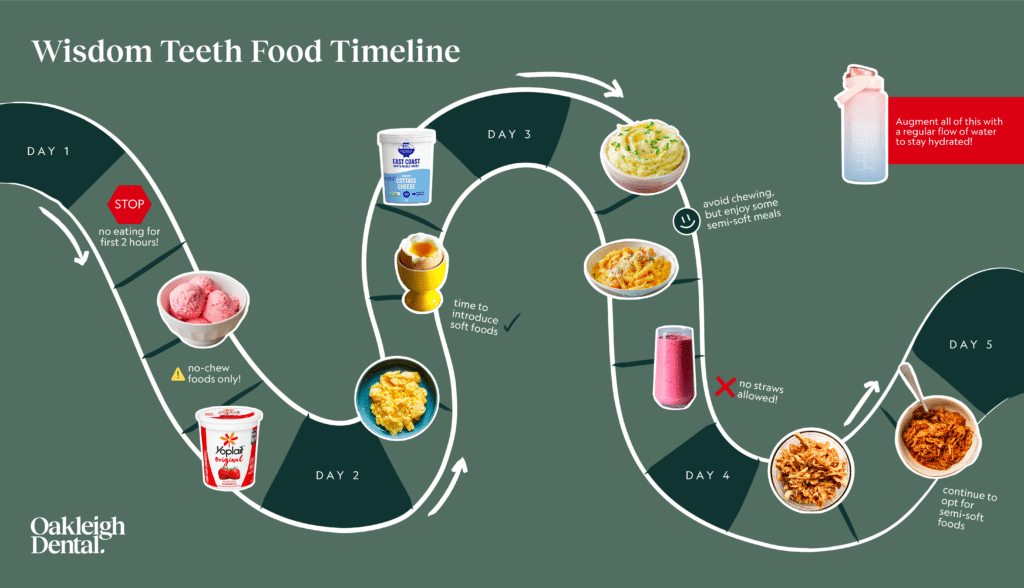
Upon leaving the dental office, patients are often given specific instructions about what they can consume. During the first 24 hours, it is generally recommended to stick to a diet of soft foods and fluids. This restriction is not merely a suggestion but a crucial guideline to prevent complications. Gentle foods like yogurt, applesauce, and smoothies can provide necessary nutrition without disrupting the healing process. Cool, non-carbonated beverages help keep you hydrated while soothing any discomfort.
First 24 to 48 Hours: Soft Foods and Liquids
In the initial 24 to 48 hours post-extraction, your mouth will likely still be tender and sensitive. Adhering to a soft food diet is paramount, as consuming hard or chewy foods could irritate the surgical site. It’s ideal to embrace a variety of nutrient-rich, soft options. Consider:
- Mashed potatoes: Creamy and easy to swallow, they provide comfort.
- Soups: Mild, lukewarm soups can nourish while being gentle on the mouth.
- Scrambled eggs: Packed with protein, they are easy to eat and digest.
- Protein shakes: These provide essential nutrients without requiring chewing.
When preparing these foods, maintain a cool or room temperature to prevent any exacerbation of swelling or discomfort. Also, steer clear of straws, as the sucking action can dislodge the blood clot, impeding the healing process.
3 to 7 Days Post-Extraction: Gradual Reintroduction of Solid Foods
Around the third day post-extraction, patients may begin to feel more comfortable. However, patience is key. At this stage, soft foods can gradually be enriched with slightly more solid textures. Consider integrating:
- Baked fish: Flaky and tender, fish is generally easy on the mouth.
- Cottage cheese: Soft and nutritious, it allows for gentle chewing.
- Soft fruits: Bananas, ripe peaches, or even avocados can be manageable.
- Pasta: Soft-cooked noodles can offer variety while minimizing discomfort.
During this phase, carefully monitor your body’s responses. If any food elicits pain or discomfort, retreat to softer alternatives until your mouth signals readiness for denser compositions.
One Week and Beyond: Activity and Food Choices
After the first week, the body has generally made substantial strides in the healing process. By this time, many patients find themselves ready to embrace regular foods cautiously. However, certain precautions should still be taken:
- Chewy and crunchy foods: Items like tough meats, nuts, or hard granola should still be approached with caution.
- Spicy foods: These may irritate the healing site, so consider avoiding them for a while longer.
- Alcohol and caffeine: These substances, particularly during the early phases of recovery, can dehydrate and interfere with healing mechanisms.
Listening to your body remains paramount. If difficulties arise, it may be worthwhile to consult your dental professional for personalized guidance.
Long-Term Eating Habits
Eventually, as the extraction site heals and discomfort dissipates, normal eating patterns can typically be resumed. However, it’s wise to incorporate a gradual approach to reintroduce foods that may have been avoided during the healing period. Favor nutrients that promote oral health, such as calcium and vitamin D, and maintain a balanced diet rich in vegetables and whole grains.
The inquiry of when one can eat solid food after tooth extraction speaks to a deeper connection between dietary choices and recovery. A commitment to mindful eating during this time not only nourishes the body but also fosters respect for the healing process.
In summary, after a tooth extraction, the journey from blending smoothies to enjoying a hearty meal is marked by patience and attentiveness. By adhering to recommended guidelines, recognizing your body’s signals, and being cautious about reintroducing solid foods, you will ease your way back into a comprehensive dietary regime while ensuring that your recovery remains as smooth as possible.










Leave a Comment